History
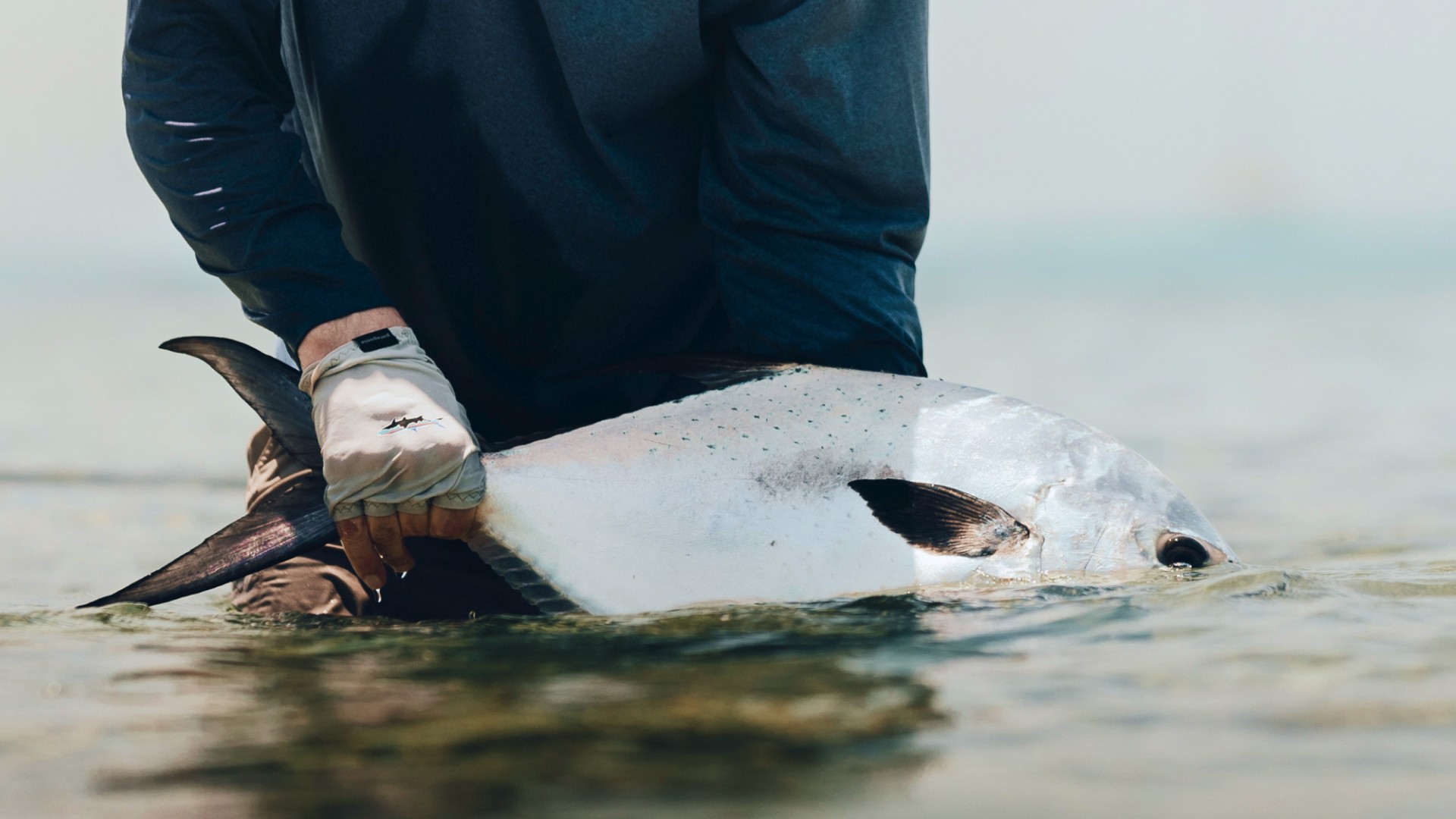
Permit in southern Belize: before the world showed up
Belize banned gill nets on November 5, 2020. The Coalition for Sustainable Fisheries raised BZ$1.5 million and Oceana raised another million to compensate the registered net fishermen.
My father, Charlie Leslie Sr., made the turn from commercial to sport fishing in the early 1980s, one of the only guides in southern Belize running catch-and-release trips for fly anglers.
I started guiding for a living in 2002, after landing permit on three consecutive June mornings on a coral head flat in southern Belize that Hurricane Iris had rolled up.
In the early 2000s, the flats five minutes out of Tarpon Caye in southern Belize could give twenty or thirty shots at big permit in a couple of hours.
I’ve been guiding permit on the southern Belize flats for 25 years. I was here before anyone outside Belize thought to pay attention to this fishery, and lately I’m seeing something specific. More juvenile permit working alongside the adults, smaller fish tailing the same shallow ground I’ve been poling clients across since 2002. That’s not something you mistake for something else if you’ve been watching long enough.
A lot is going to happen in the next ten years. I’m excited to see how it evolves. I don’t say that lightly.
Growing up on my father’s skiff
Southern Belize in the early nineties was not where the fly fishing world was looking. The sport had been growing in the Keys and around Mexico’s Yucatan, but at the bottom end of the country, below Dangriga and Hopkins, it was still almost entirely commercial fishing.
My father, Charlie Leslie Sr., made the turn from commercial to sport fishing in the early eighties. He was one of the only guides in southern Belize running catch-and-release trips for fly anglers while everyone else kept what they caught. I grew up inside that exception. You could drive and pole a skiff here before you learned to ride a bike, and I was out most mornings, skipping school to go free diving, spearfishing, handlining, spin fishing, anything I could get on a line. By the mid-nineties I was on my father’s boat, starting from the bottom: pulling the skiff on the flats, cleaning the casting deck, bringing drinks to clients. Staying out of the way and watching.
My father fished by the tide. That was the core principle he passed on. Which flats hold fish at which stage of the tide, when to approach, when to sit and wait. I remember he handed me a copy of Bob McNally’s book on fishing knots to learn the basics. The casting came from a Del Brown VHS tape he kept in the house. I watched it over and over until I had a good mental picture of it. When I first picked up a rod, it felt natural.
By 2000 he had opened Tarpon Caye Lodge and I was working there, running tarpon trips in the back lagoon. Then October came. Hurricane Iris hit as a Category 5, a hundred and sixty miles an hour. We went out the next morning to check the damage and most of the lodge was gone. What could be salvaged, we salvaged. By early 2002 Tarpon Caye was up and running again.
That June I was walking the flats 150 yards behind my father’s skiff when I spotted permit working around a massive coral head the hurricane had rolled up. I picked up a rod and made a few casts. Landed one. My father came running back and took my photo. I was on that same flat the next morning. Another permit. The morning after that, a third. All three on the same exact spot. After the third one, he handed me a boat and told me to start guiding for a living.
I tell you, those were some crazy times! Five minutes out of Tarpon Caye, and you were on prime permit flats. A couple of hours might produce twenty, thirty (or more) shots at big fish. You’d get four or five cracks at the same one before it spooked or ate. The clients coming then were mostly seasoned anglers who’d fished the Keys or Mexico. They knew the game, but they were not prepared for southern Belize.
The gill net years
Around 2005, maybe 2007, the numbers started dropping in a way that didn’t track with the small increase in fishing pressure. The big schools thinned out. Large fish that used to show up reliably on certain flats went absent. A morning that used to give thirty shots was giving ten. I was searching flats I wouldn’t have bothered with three years earlier.
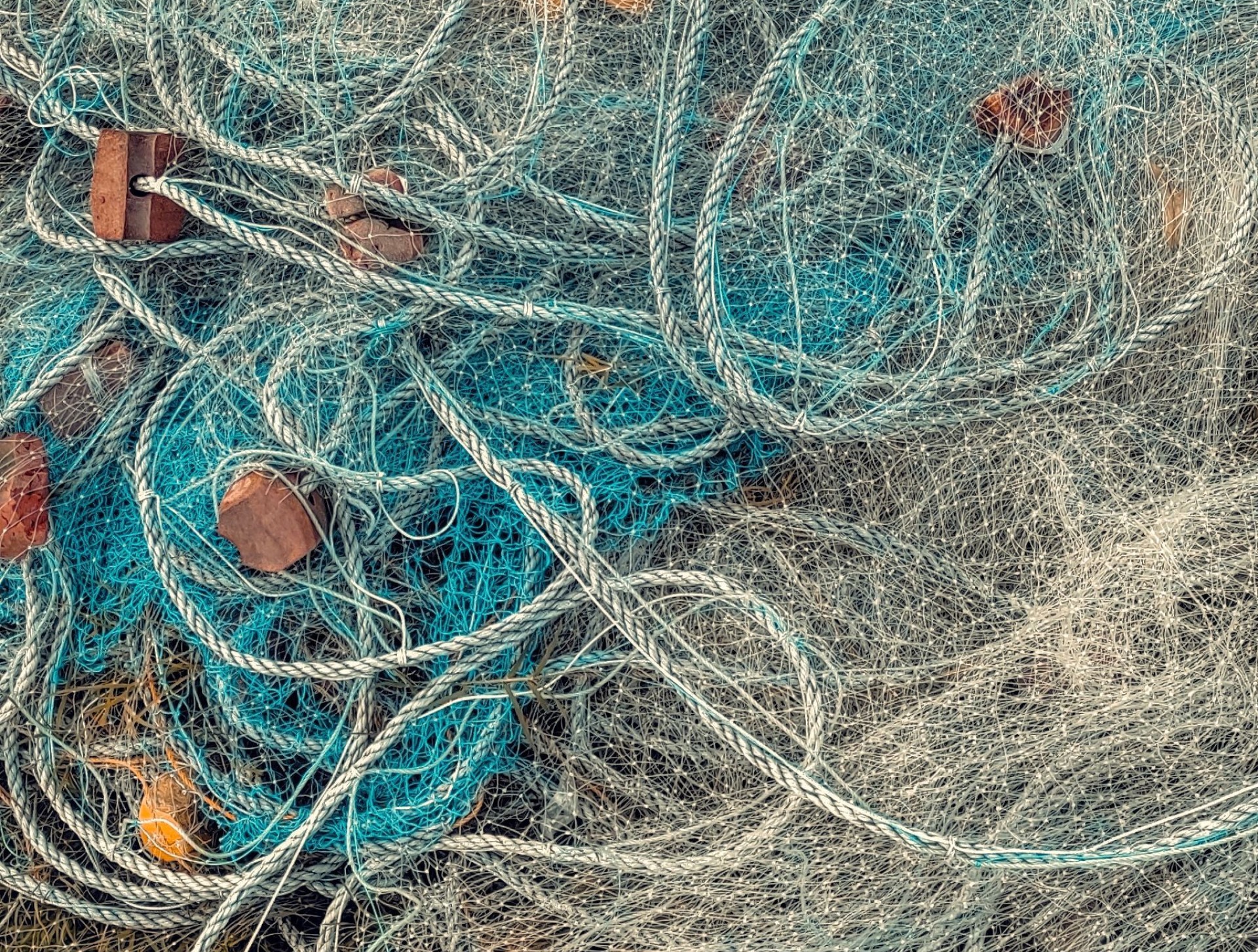
Gill nets had been worked inside the reef in southern Belize for years. They weren’t illegal. A fisherman was allowed to carry a certain number of nets of a certain maximum length. Most of the men running them carried more and longer than the limit, stored the excess in the mangroves during daylight, and pulled everything before sunrise. There was no enforcement inside the reef. Nobody to report to either. When we found nets out there, we destroyed them. There was nothing else we could do. We tried to report it, but there was no action. So we had to take action.
Most of the netting was done by fishermen from Guatemala and Honduras, legal residents working the southern waters at night and selling across the border by morning. What they took was unrecorded and uncounted.
My father never used gill nets, not from the beginning, and his instruction to me was unambiguous. Pull them up when you find them. Burn them. I’d rather starve. It was a war, and everyone had to step up to protect the sport fishing industry.
By the time the permit numbers started dropping, bonefish had begun showing up on the southern flats too, finding areas they hadn’t used before. The nets took them from those same spots. The permit schools thinned. The fish that remained were spookier, quicker to flush on the approach.
How the ban got done
The formal push for a ban had been building through conservation coalitions that included the Bonefish and Tarpon Trust, several of the larger lodges, and eventually the fisheries department. What took nearly twenty years to resolve got resolved, in part, by money. The Coalition for Sustainable Fisheries raised BZ$1.5 million to compensate the registered gill net fishermen on the government’s books, so the ban wouldn’t destroy livelihoods without replacement. Oceana raised another million. On November 5, 2020, the government signed the ban.
That was not the right approach. But it sped up the ban and got the job done. There’s still not much enforcement. But if we come across a net now, we can actually report it, and it will be handled.
A year after the ban passed, the legislation that had prevented foreign permanent residents from holding Belizean commercial fishing licenses was overturned. They should never allow this. Ever. Belize is too small a country to host a lot of fishermen from neighbouring countries. It’s about money, when they should be supporting local businesses.
Then vs now
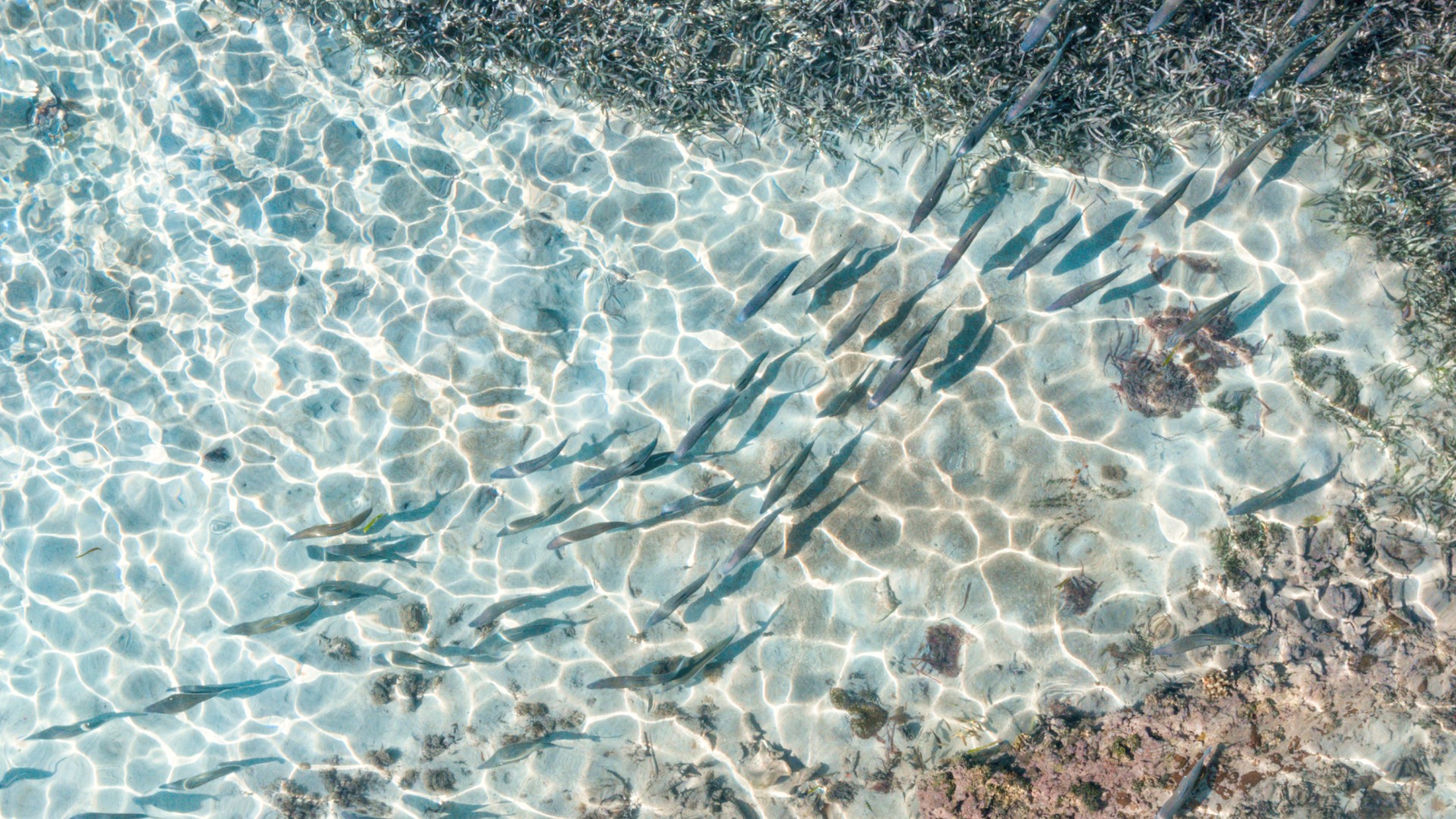
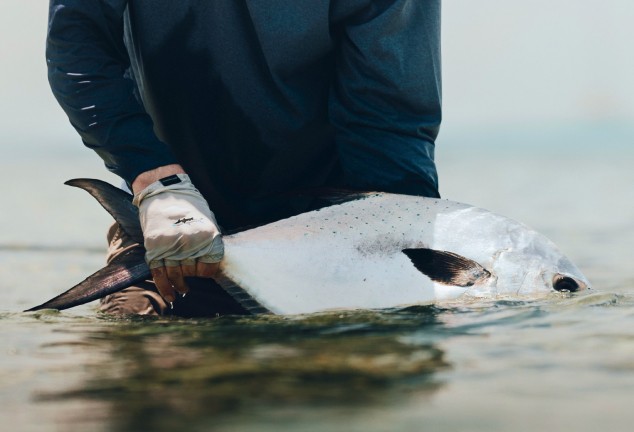
Bonefish are back in areas they’d left. Juvenile permit on flats that hadn’t held them in years. The numbers aren’t where they were in 2002, and I won’t pretend they are. But they’re coming up, and that’s not something I could say ten years ago.
Not everything has come back. Tarpon have stopped showing up in some of the lagoons I knew best. There’s tons of bait in there, but the fish aren’t following it the way they used to. The worst of it is around the islands that have been sold and developed, lagoons dredged to build on. The water feels the same, but it doesn’t look the same in some areas.
Anglers who come to southern Belize for permit tend to arrive knowing the game. They know a week of hundreds of shots can produce nothing landed and still count as progress. The adjustment most of them have to make is on the strip. Most of the fish on our flats are tailing, already feeding, and you have time with them. You wait on the fish to commit rather than trying to induce it. You can’t rush it. Especially on the stripping. If you have an experienced guide with you, listen to him.
The nineties and early 2000s was something completely different. Surreal. The five-minute run from Tarpon Caye, the thirty shots in a couple of hours, the fish that had never seen a crab fly. I’m not trying to recover that. But the fishing is still here. Multiple shots at permit in a day is not something you find in many places. And when I see those juvenile fish working the flats now, I know what it means.
This is all I have been doing, day in and day out, for over twenty years. This is all I know. And I never get tired of it. Never get tired of that excitement when a tail pops out of the water, or a client hooking a hundred-pound tarpon.
When was gill netting banned in Belize?
November 5, 2020. The Coalition for Sustainable Fisheries raised BZ$1.5 million and Oceana raised another million to compensate the registered net fishermen. That’s what finally got it signed.
Are permit numbers recovering in southern Belize?
They’re coming up. Juvenile permit are showing on flats that hadn’t held them in years, and bonefish are back in areas they’d left. Not where it was in 2002, but moving in one direction.

I run half day, full day and multi-day fly fishing trips from Placencia, Hopkins or nearby islands. Target species are mainly permit, tarpon, and bonefish.
What happens next?
I'll respond within 24 hours
We'll discuss your dates, preferences, and any questions
Payment is due at the end of your trip

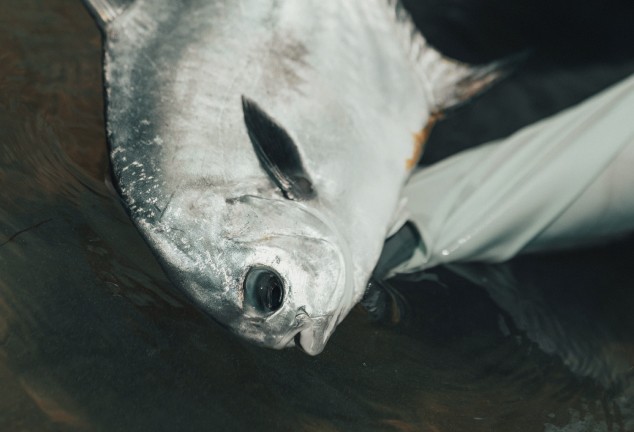
Multiple shots guaranteed — 400+ permit landed —

