A complete year-round fishing calendar
Quick picks:
Best all-around time to visit: mid-March through September
Best permit conditions: April and May. Permit are here year-round, and the tide decides the day.
Biggest tarpon: mid-April through August, often into September
Bonefish: year-round
Intro
The absolute best time to fly fish Belize is mid-March through September. April and May bring the calmest, warmest weather and the best permit conditions of the year.
The big migratory tarpon arrive around mid-April and stay through August, often into September. Every month here is fishable. The tide matters as much as the calendar, and if permit are your main goal, the moon phase you book around matters too. All of it is broken down below.
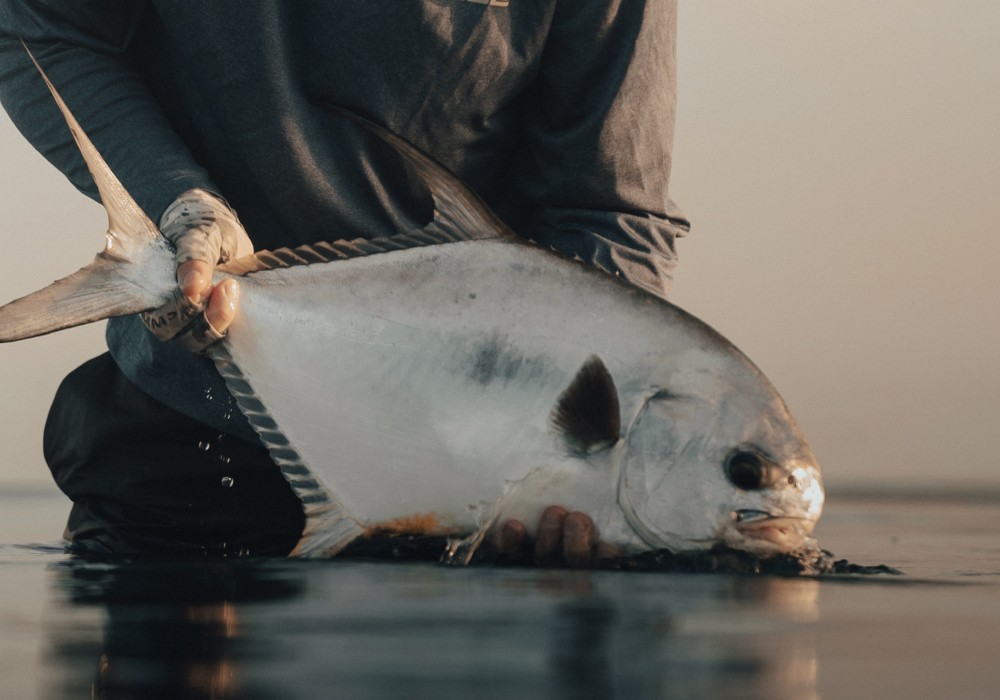
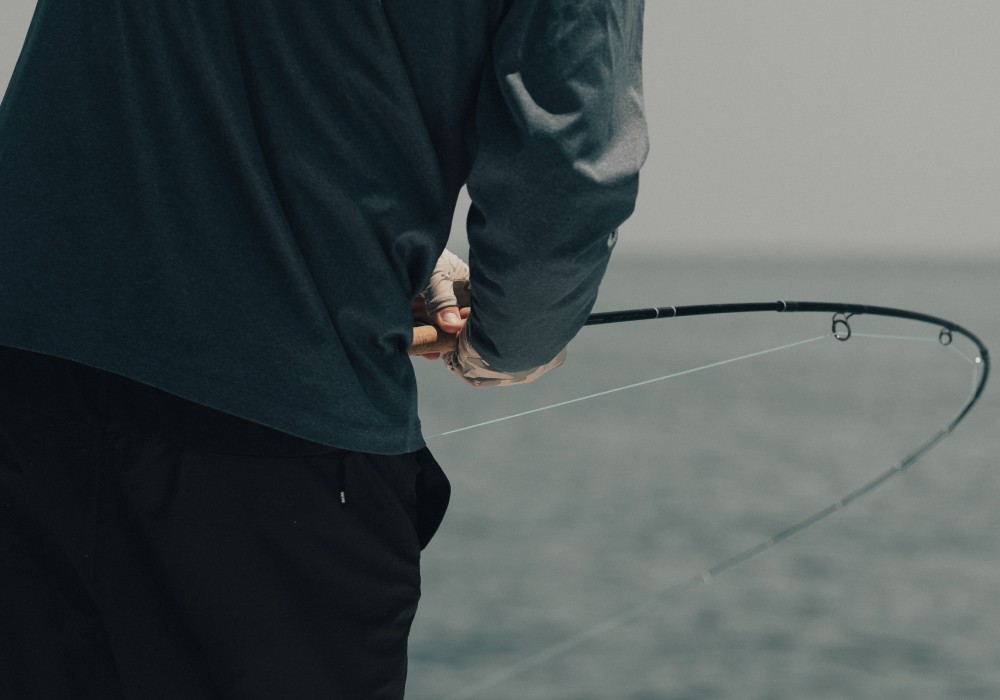
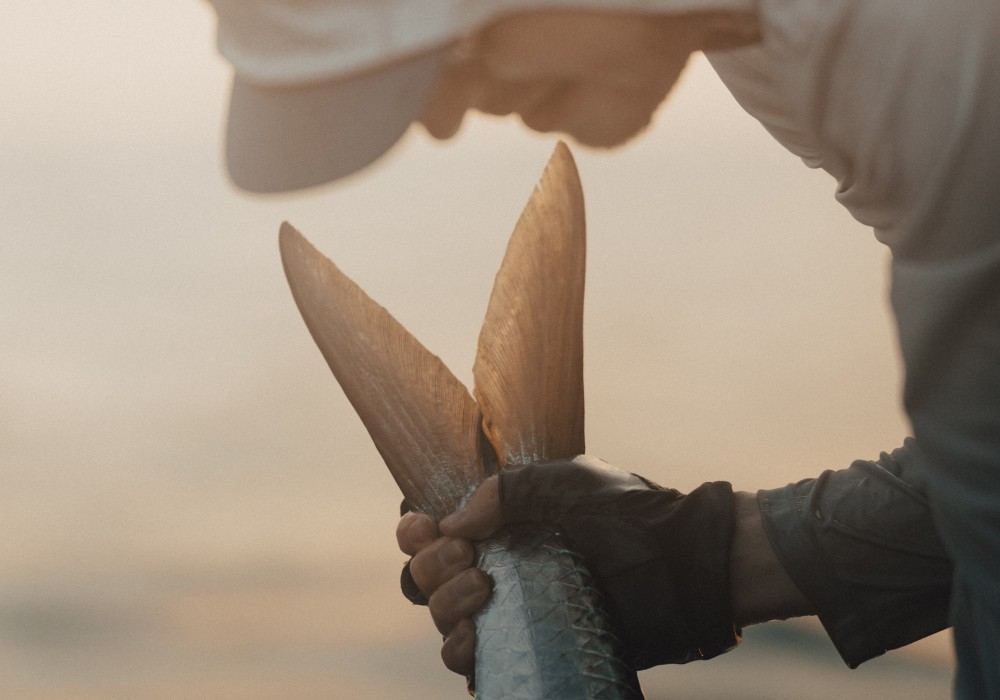
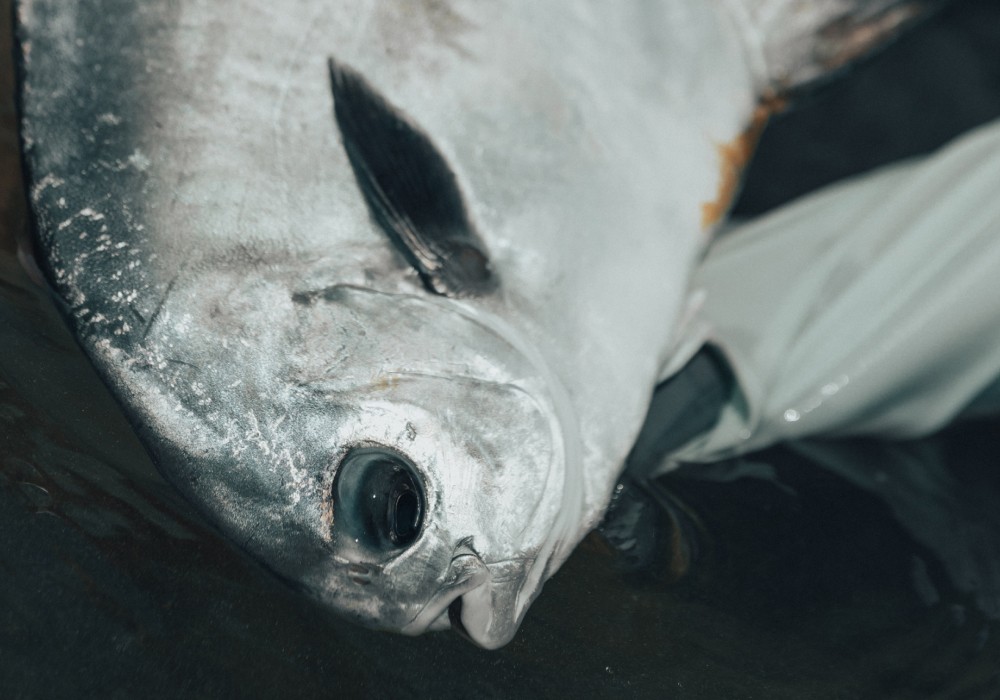
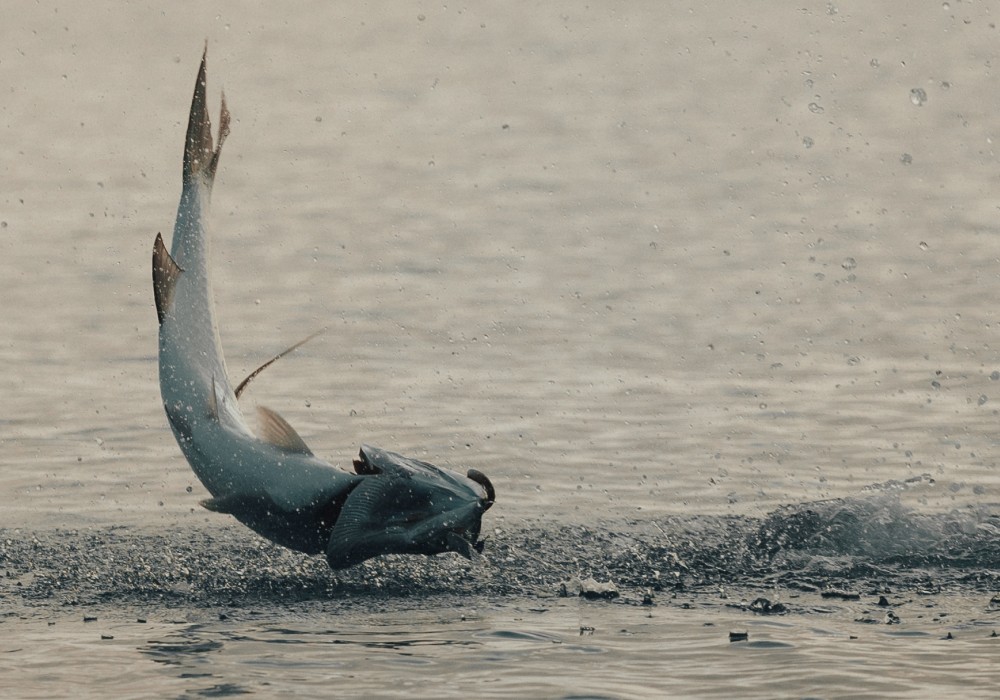
The tide is the master, and the moon controls the tide. If permit are your main goal, come 6 to 7 days before the full moon. That puts you on the spring tides, with the rising tide in the morning and good water moving all day. A wider, longer tide means more time to hunt permit. If you can't make that window, aim for 2 to 3 days after the new moon. Same effect, any month of the year.
Quarter moons are the mixed-bag days, and they're great when the tarpon migration is on. We'll hit the permit flats from 6 to 8 or 9 in the morning, go look for tarpon, then fish tarpon again on the evening rising tide and work a few permit flats on the way back.
On a full moon, we'll get out earlier. The earlier the better: better tides, fewer boats.
How the tides actually move the fish, and how I fish a spring tide through the day, is on the tides page.
Species at a glance
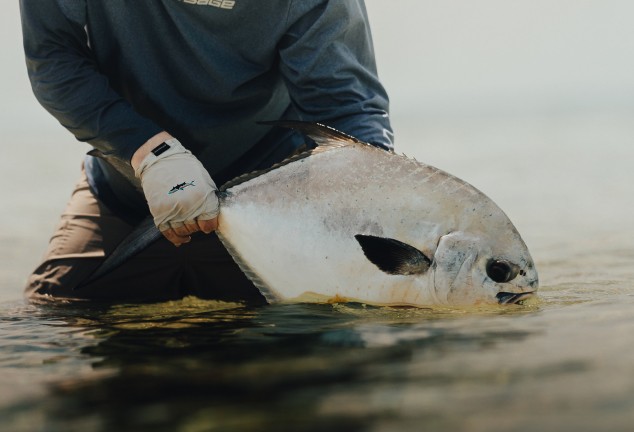
Permit. Year-round. April and May are peak, with good fishing March through August. The tide matters more than the month, and spring tides put the big fish on the outer flats.
Migratory tarpon. Mid-April through August, often into September. The first fish show at the reef outside Tobacco Caye.
Resident tarpon. Year-round. From November through March they move along the coast and the beach when the winds shift.
Bonefish. Year-round. The steadiest fishing here, and the best way to learn the flats.
Dry season, cool, clear water. The only thing that changes conditions this time of year is a cold front. A front lasts 3 to 5 days: overcast, chilly, wet. When one comes through, we fish the lagoon for baby tarpon, snook, and jacks, and a day or so after it passes, the flats fishing is usually great. Placencia sits far enough south that fronts hit us softer than Caye Caulker or San Pedro. The flats here are coral-based, so the water stays clear even when it's windy. We keep working the southern flats through January.
Moon and tide:
fronts matter more than the moon this month. If you're permit-focused, still book the spring tides, 6 to 7 days before the full moon or 2 to 3 days after the new.
Still front season, and December through February is when they're most likely. Between fronts you get clear water and steady flats fishing, and the same plan applies: lagoon when it blows, flats the day after it passes. Resident tarpon are around the coast and lagoons all winter.
Moon and tide:
Same as January. Springs for permit, lagoon days when a front is on.
The fishing picks up, but March is windy. Permit are here and feeding, they're just harder to spot and harder to cast at in the chop. Good fishing runs March through August, and by late March the weather is settling into the best stretch of the year. Resident tarpon are still around, sometimes through the end of April.
Moon and tide:
Wind is the variable, not water. Book the springs and take the calm mornings seriously.
This is the start of prime time. Calm, warm, really nice weather. Permit conditions don't get better than April and May. And around mid-April the big migratory tarpon arrive, first showing up by the reef outside Tobacco Caye. High season, for good reason.
Moon and tide:
On the quarter moons in April and May you can get extremely low tides for 2 or 3 days before it regulates itself. Once the migration is on, quarter moons are the mixed-bag days: permit early, tarpon after, tarpon again on the evening rise.
Same weather as April: calm, warm, the easiest hunting of the year. The tarpon migration is fully on. If you want one month with everything working, this is it, and it books up first.
Moon and tide:
Same as April. Springs for a permit-focused trip, quarters for mixed days.
June 1 is the official start of hurricane season, and June brings more unstable weather: thunderstorms in the morning or afternoon, some overcast, some wind. Here's what the forecast pages don't tell you: the weather is very local. You can see where the rain clouds are and where they're heading, and we fish around them. Plenty of days it rains hard, clears by midday, and turns into a good day. Lightning is the one thing I don't argue with. Safety first, and we stay flexible.
Moon and tide:
The tarpon migration is on, so the quarter-moon mixed days are in play all month. Spring tides still rule for permit.
The windiest and wettest of the summer pair. Same pattern as June: local storms you can see coming and fish around, morning or evening showers, and it's still manageable. The tarpon fishing stays strong. Forecasting here is accurate, so we plan day by day and it works.
Moon and tide:
Same as June.
The weather comes back around: hot, sunny, just enough wind to keep you cool. Good conditions like April and May. Tarpon are still running, permit fishing is good, and the crowds are thinner than spring.
Moon and tide:
Spring tide for permit, and the migration usually holds through the month.
Underrated. The weather is genuinely good, like August, with maybe some showers. Some years the tarpon are still around. It gets called the slow month, but that's about the town, not the fishing. Fewer visitors, good conditions, and low-season prices on rooms and flights.
Moon and tide:
Spring tide for permit, and watch for tarpon hanging on early in the month.
The quietest month in Belize, and the one month where the water itself works against you. October brings the highest tides of the year. Our normal range is about a foot between high and low. On the October full moon you get around 16 inches more water, and that extra water makes permit hard to spot. That's all it takes to make it or break it here. The weather stays great through October and into November.
Moon and tide:
This is the month the moon matters most, in the wrong direction. If you're coming in October for permit, avoid the days around the full moon.
The season opens right after Thanksgiving. The winds shift in November, from the prevailing east and northeast around to north and northwest as the fronts start. That shift turns the beach into the lee, and we start finding tarpon along the beach, water we can't fish most of the year because it's choppy.
When the sargasso drifts in, we find them feeding in the grass on the shrimp, crabs, and small fish that ride with it. Not big tarpon numbers in November, but good permit numbers. People call it a sleeper month. It isn't, it just depends what you're after. From mid-November through January we work the southern flats, the south end of what we call Permit Alley, where the coral bottom keeps the water clear whatever the wind does.
Moon and tide:
Spring tides for permit, and the first fronts of the season set the rhythm.
Cool and chilly by our standards. You can get a week of hot and sunny, then out of the blue a week of cold fronts. December through February is the front-prone stretch, and the January playbook applies: lagoon when it blows, flats the day after it clears.
Moon and tide:
Watch the cold fronts first, and the moon second. Book the springs and keep a flexible day or two in the plan.
What is the best month to fly fish in Belize?
April and May. The weather is calm and warm, permit conditions are at their best, and from mid-April the big migratory tarpon arrive. If you want the widest window, anything from mid-March through September fishes well in southern Belize.
When is permit season in Belize?
Permit are on the flats around Placencia year-round. April and May are peak, with good fishing March through August. The honest answer is that the tide matters more than the month: spring tides give you the longest hunting days, whatever the calendar says. The permit guide covers how we fish them.
When do the big tarpon arrive in Belize?
Mid-April. The first migratory fish show up along the reef outside Tobacco Caye, and the run stays strong through August, often into September. Resident tarpon live here year-round. The tarpon guide covers both.
Is the rainy season bad for fishing in Belize?
No. That fear is exaggerated. June and July bring storms, but the weather here is very local: you can see where the rain clouds are heading and fish around them. Plenty of rain days clear by midday and fish well. Lightning is the one thing we don't argue with, so we stay flexible and put safety first.
Does the full moon affect fishing in Belize?
Yes. The full moon brings the biggest tides, so we get out earlier: better water and fewer boats. The one month to watch is October, when the full moon stacks about 16 extra inches onto the year's highest tides and makes permit hard to spot. How the moon drives the tides is on the tides page.
What is the worst time to fly fish in Belize?
October, and not because of weather, which stays good. It's the highest water of the year, which makes permit hard to spot, and the town mostly closes down. If your trip is about permit, pick another month or at least avoid the October full moon. If you want the flats to yourself, it has its upside.
Is winter a good time to fly fish in Belize?
Yes, with one caveat: cold fronts. December through February a front rolls through every so often and lasts 3 to 5 days. We fish the lagoon for baby tarpon, snook, and jacks while it blows, and the flats are usually great a day after it passes. Placencia gets hit softer than northern Belize, and the water here stays clear. Book a day or two of slack into a winter trip and you're fine.
Should I plan my Belize fishing trip around moon phases?
If permit are your main goal, yes. Come 6 to 7 days before the full moon, or 2 to 3 days after the new moon. Both put you on spring tides with the rising water in the morning, which is when permit hunt hardest. For everything else, pick your month first and the moon second.
Whatever month you land on, the fishing here is planned around the tide, not the clock. Tell me when you're thinking of coming and what you want to chase, and I'll tell you straight what that window looks like.
What happens next?
I'll respond within 24 hours
We'll discuss your dates, preferences, and any questions
Payment is due at the end of your trip
Guiding articles
Multiple shots guaranteed — 400+ permit landed —