Fishing tides and
moon phases in Belize
Fishing tides and moon phases in Belize
After 25 years watching the tides. Here's what I've learned.


Tides move the fish. Moon phases drive the tides. You can ignore this and still catch fish. But if you understand it, you'll catch more fish more consistently. I've been watching the tides for 25+ years, and know which flats fire during incoming water. I know where permit hide when the tide drops.
The moon does the same thing every month. Tides follow the same pattern. Fish respond predictably.


Tides move the fish. Moon phases drive the tides. You can ignore this and still catch fish. But if you understand it, you'll catch more fish more consistently.
The moon does the same thing every month. Tides follow the same pattern. Fish respond predictably.
How the tides work
The moon's gravity pulls water toward it. When the moon is overhead or on the opposite side of the earth, you get high tide. When it's at 90 degrees, you get low tide.
Two high tides and two low tides every day. Each cycle takes about 6 hours. The timing shifts 50 minutes later each day as the moon moves.
Placencia doesn't get massive tides like the Pacific Northwest. We see 1 to 3 feet of range. That doesn't sound like much, but it completely changes the fishing.
One foot of water is the difference between a fishable flat and a flat that's too shallow. One foot is the difference between permit feeding and permit staying deep where you can't see them.
Some flats need incoming tide to hold fish. Others fish better on the drop.
The moon's gravity pulls water toward it. When the moon is overhead or on the opposite side of the earth, you get high tide. When it's at 90 degrees, you get low tide.
Two high tides and two low tides every day. Each cycle takes about 6 hours. The timing shifts 50 minutes later each day as the moon moves.
Placencia doesn't get massive tides like the Pacific Northwest. We see 1 to 3 feet of range. That doesn't sound like much, but it completely changes the
fishing.
One foot of water is the difference between a fishable flat and a flat that's too shallow. One foot is the difference between permit feeding and permit staying deep where you can't see them.
Some flats need incoming tide to hold fish. Others fish better on the drop.
Spring tides vs neap tides
Not all tides are equal. Moon phase determines how strong they'll be. Spring tides happen during new moon and full moon. Sun, moon, and earth line up. Their combined pull creates the biggest tidal swings. Water moves farther up the flats during high tide and drains deeper during low.
I prefer spring tides. More water movement means more active fish. Permit push onto flats they ignore during small tides. Baitfish get flushed around.
Predators follow.
Neap tides happen during quarter moons. Sun and moon are at 90 degrees. Their pulls partially cancel out. Smaller tides, less water movement.
You can still catch fish during neaps. They're just less predictable. They don't move as far. They don't feed as hard. You work more for each shot.
When I'm planning your trip, I check the moon phase first. Spring tide week means better odds. Neap tide week means we adjust our approach.
Not all tides are equal. Moon phase determines how strong they'll be. Spring tides happen during new moon and full moon. Sun, moon, and earth line up. Their combined pull creates the biggest tidal swings. Water moves farther up the flats during high tide and drains deeper during low.
I prefer spring tides. More water movement means more active fish. Permit push onto flats they ignore during small tides. Baitfish get flushed around. Predators follow.
Neap tides happen during quarter moons. Sun and moon are at 90 degrees. Their pulls partially cancel out. Smaller tides, less water movement.
You can still catch fish during neaps. They're just less predictable. They don't move as far. They don't feed as hard. You work more for each shot.
When I'm planning your trip, I check the moon phase first. Spring tide week means better odds. Neap tide week means we adjust our approach.
What each moon
phase means
New moon
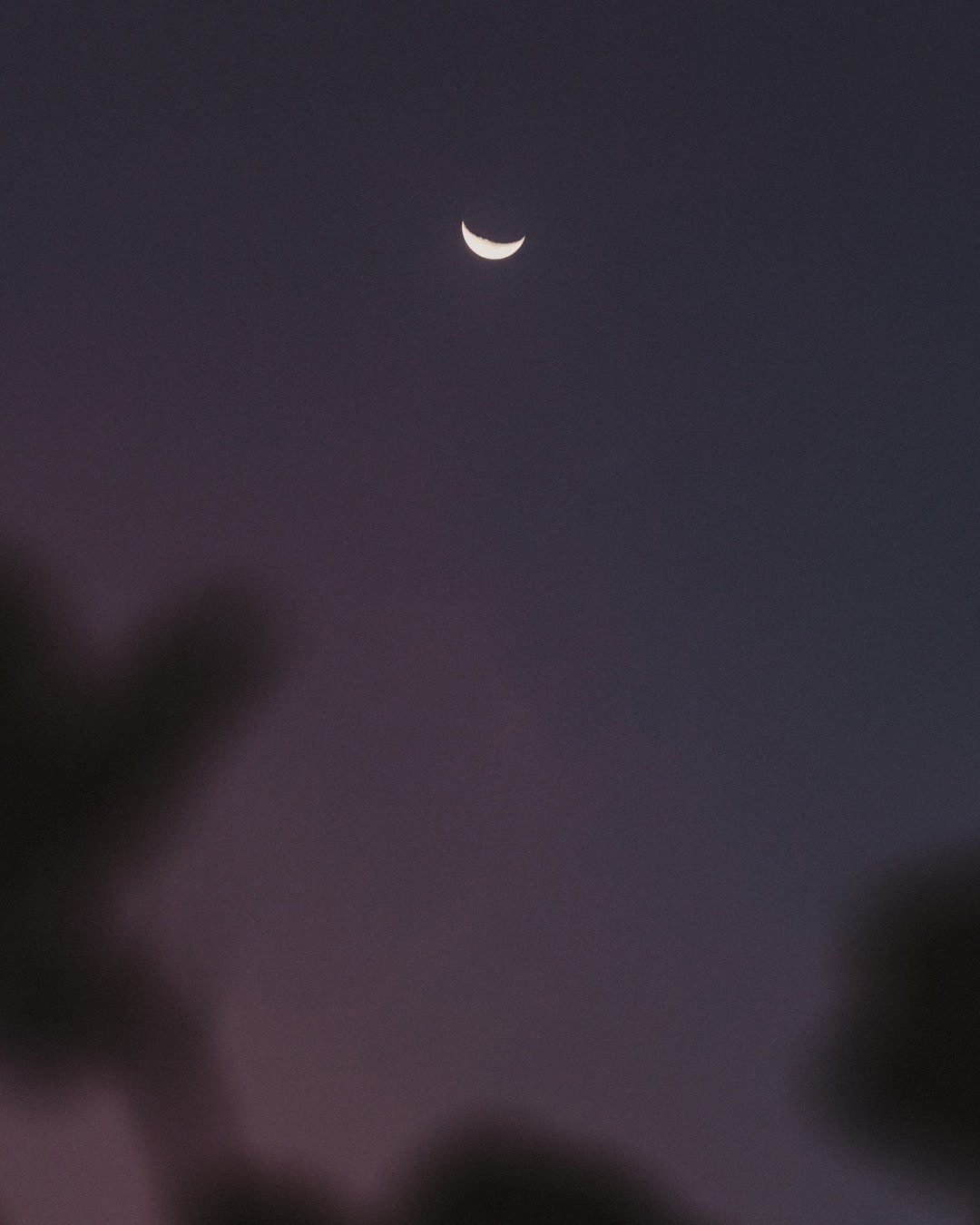
Moon is between earth and sun. You can't see it in the sky. This creates stronger tidal pulls. We see more pronounced high and low tides, and fish use these shifts to feed actively.
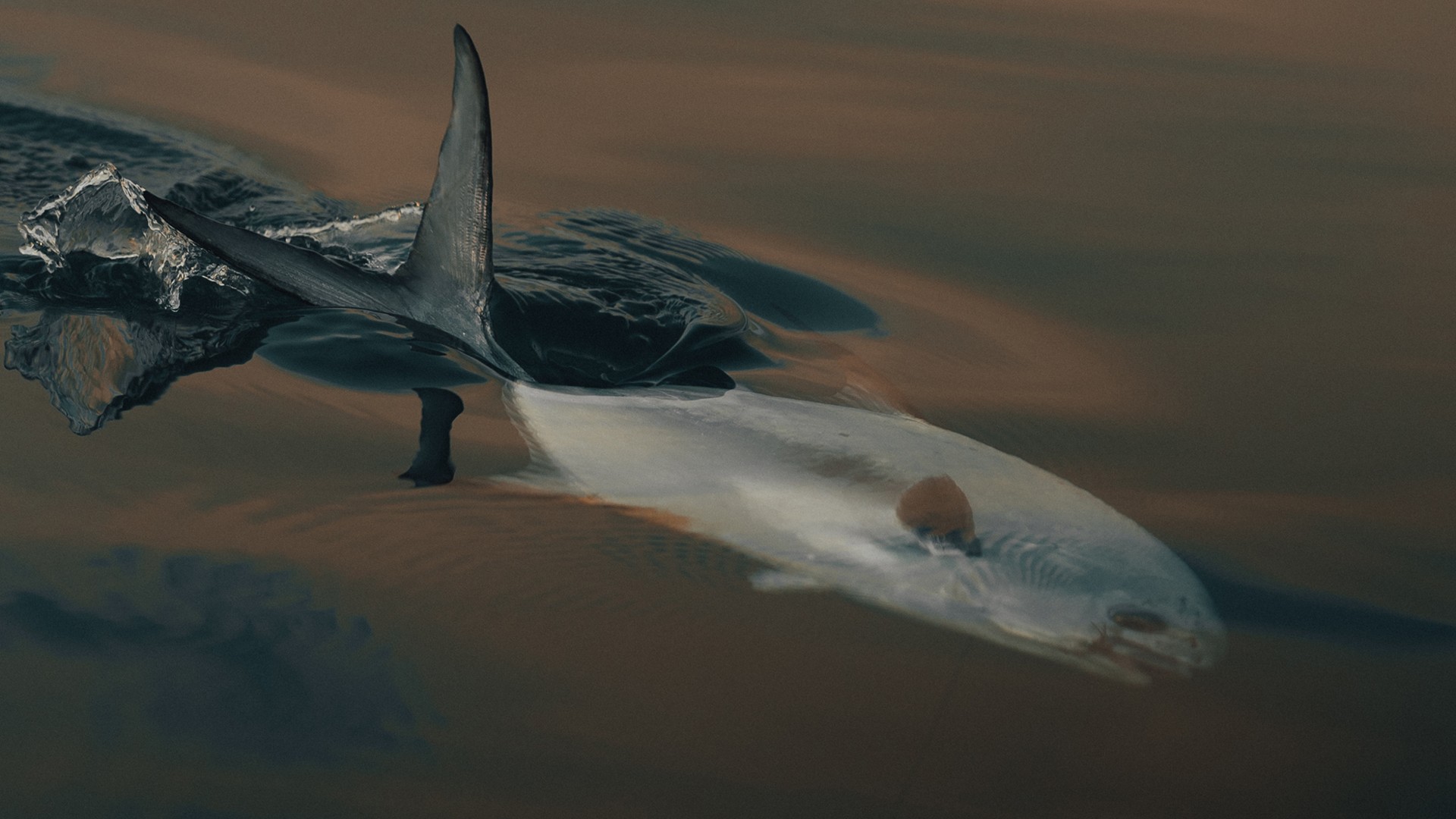
For permit, that's a big advantage. They move into the shallows during incoming tides. Rapid tide changes mean we need to stay mobile. Watch the water level and we'll intercept fish before they move off.
First quarter:
Half moon in the sky. The gravitational pull differs, leading to milder tidal swings. Water levels shift more gradually. More stable conditions.
Good for bonefish. Less water movement means more predictable feeding. We get a steady window to sight fish.
Full moon:
Moon opposite the sun. Entire face lit up. This produces tidal ranges similar to new moon but also brightens the night sky.
Fish feed through the night on a full moon. By early morning they've already eaten. I plan charters for first light or late afternoon to catch them transitioning.
Third quarter:
Another half moon. Another period of milder tidal swings. Water shifts gradually, creating stable conditions.
Same story as first quarter. Good for bonefish. Slower water movement makes feeding patterns predictable. Gives us a steady window to sight fish.


Ready to book your fly fishing charter?
I have limited dates available each month. Get in touch to check availability or ask questions.
Using tides to plan your dates
When you book, I look at three things: moon phase, tide timing, weather forecast.
Moon phase tells me if we'll have spring or neap tides. Spring means more options and more active fish.
Tide timing tells me when incoming happens each day. I plan launch times around it. Incoming at 7 AM? We're launching at 6:30 to be on the flats when water starts moving. Incoming at 2 PM? We might fish a morning spot and hit the flats for the afternoon push.
Weather matters more than tides. Spring tide with 25-knot winds is worse than neap tide with calm conditions. Given the choice between big tides and fishable weather, I'm taking calm every time.
Best scenario is spring tide week with light winds. You get 3 to 5 days of excellent water movement and good conditions. Most consistent permit shots happen during these windows.
Booking fly fishing charters during neaps? Don't stress. I've had great days during quarter moons. Fish don't disappear. They're less predictable, so we adjust and find them.
The moon's gravity pulls water toward it. When the moon is overhead or on the opposite side of the earth, you get high tide. When it's at 90 degrees, you get low tide.
Two high tides and two low tides every day. Each cycle takes about 6 hours. The timing shifts 50 minutes later each day as the moon moves.
Placencia doesn't get massive tides like the Pacific Northwest. We see 1 to 3 feet of range. That doesn't sound like much, but it completely changes the
fishing.
One foot of water is the difference between a fishable flat and a flat that's too shallow. One foot is the difference between permit feeding and permit staying deep where you can't see them.
Some flats need incoming tide to hold fish. Others fish better on the drop.
Tide charts and resources
Want to check tides before your trip? These are what I use.
Tide forecast (website / AppStore / Google Play) with location for Dangriga gives a pretty good picture for the tides, and Windy (website / AppStore / Google Play) show good predictions for weather forecast.
I also rely on what I've learned over the years. I know what certain tides look like. I know how long it takes for water to flood specific flats. I know which areas drain first.
When you book, I'll tell you what tides look like for your dates. I'll suggest what we'll target and when.
Not all tides are equal. Moon phase determines how strong they'll be. Spring tides happen during new moon and full moon. Sun, moon, and earth line up. Their combined pull creates the biggest tidal swings. Water moves farther up the flats during high tide and drains deeper during low.
I prefer spring tides. More water movement means more active fish. Permit push onto flats they ignore during small tides. Baitfish get flushed around. Predators follow.
Neap tides happen during quarter moons. Sun and moon are at 90 degrees. Their pulls partially cancel out. Smaller tides, less water movement.
You can still catch fish during neaps. They're just less predictable. They don't move as far. They don't feed as hard. You work more for each shot.
When I'm planning your trip, I check the moon phase first. Spring tide week means better odds. Neap tide week means we adjust our approach.
Most asked
questions
Most asked
questions
Does full moon make fish harder to catch?
What if I can only fish during neap tides?
How much do tides vary in Placencia?
Can I fish any tide?
Should I plan my trip around tides?
Does full moon make fish harder to catch?
What if I can only fish during neap tides?
How much do tides vary in Placencia?
Can I fish any tide?
Should I plan my trip around tides?
Does full moon make fish harder to catch?
What if I can only fish during neap tides?
How much do tides vary in Placencia?
Can I fish any tide?
Should I plan my trip around tides?
Ready to book your fly fishing charter?
I have limited dates available each month. Get in touch to check availability or ask questions.


Multiple shots guaranteed — 400+ permit landed —



Ready to book your fly fishing charter?
I have limited dates available each month. Get in touch to check availability or ask questions.