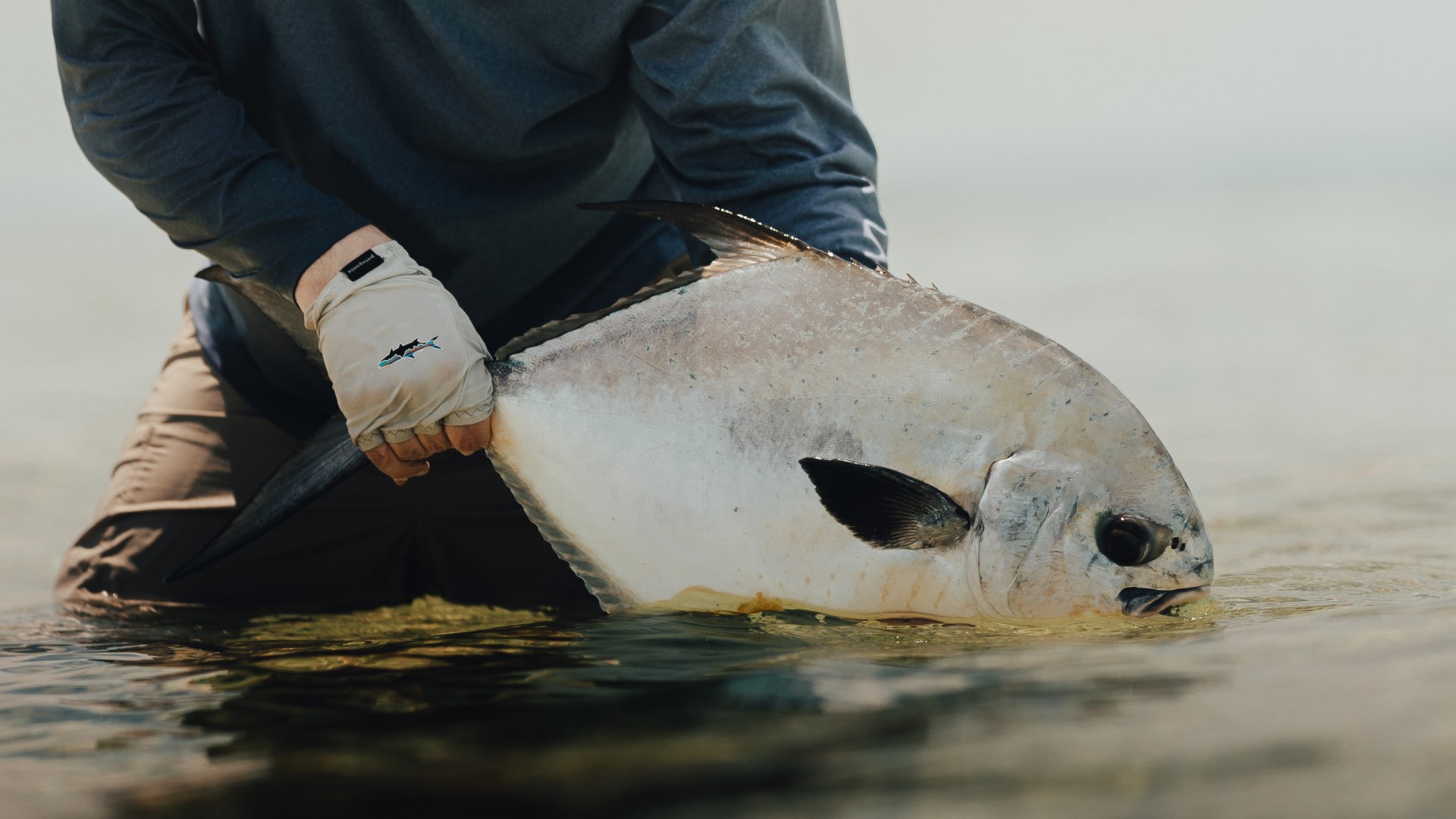
Species
How to catch permit in Belize
If permit are the goal, the best windows to book in southern Belize are 6 to 7 days before the full moon or 2 to 3 days after the new moon, when spring tides rise through the morning.
Moving water brings permit onto the flats to feed. Incoming tide is classic, the first hour or two of outgoing fishes well, and slack tide is usually dead.
Always check a stingray on the southern Belize flats for a trailing permit. A fish shadowing a ray is picking up what gets stirred off the bottom, and it's feeding.
A crab fly for Belize permit gets cast, sunk, one short strip, then stopped. Crabs don't swim fast. Moving the fly too much is the most common mistake I see.
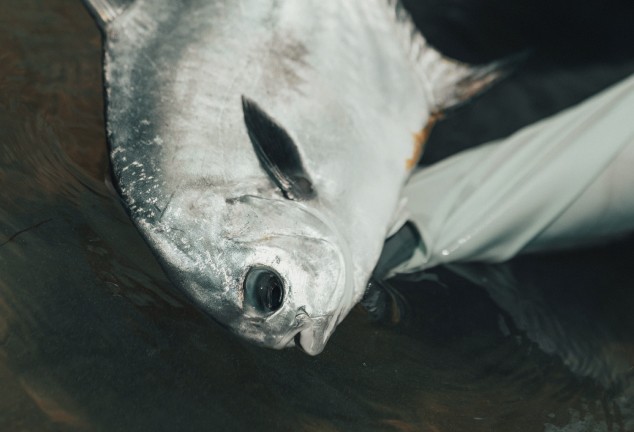
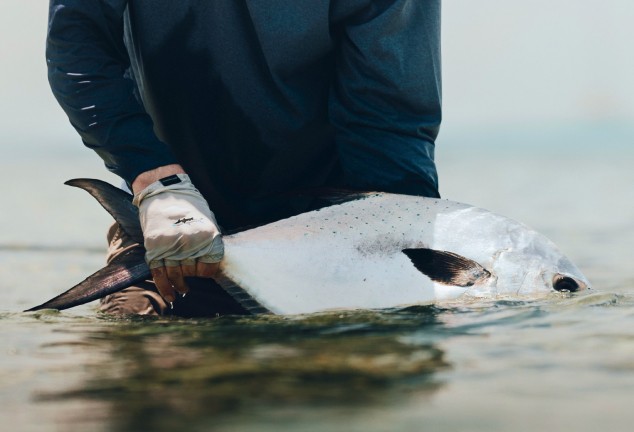
Permit fishing in southern Belize is some of the best anywhere. I’ve put over 400 permit to hand on the flats between Dangriga and Placencia, most of them inside the South Water Caye Marine Reserve. Peak is April and May, with good fishing March through August.
Permit will test everything you know about casting, presentation, and patience. You can do everything right and watch one refuse your fly at the last second. Or get sloppy and somehow hook up anyway.
That’s permit fishing.
This covers where and when to find them, what gear you need, how to present your fly, and what to do when one finally eats.
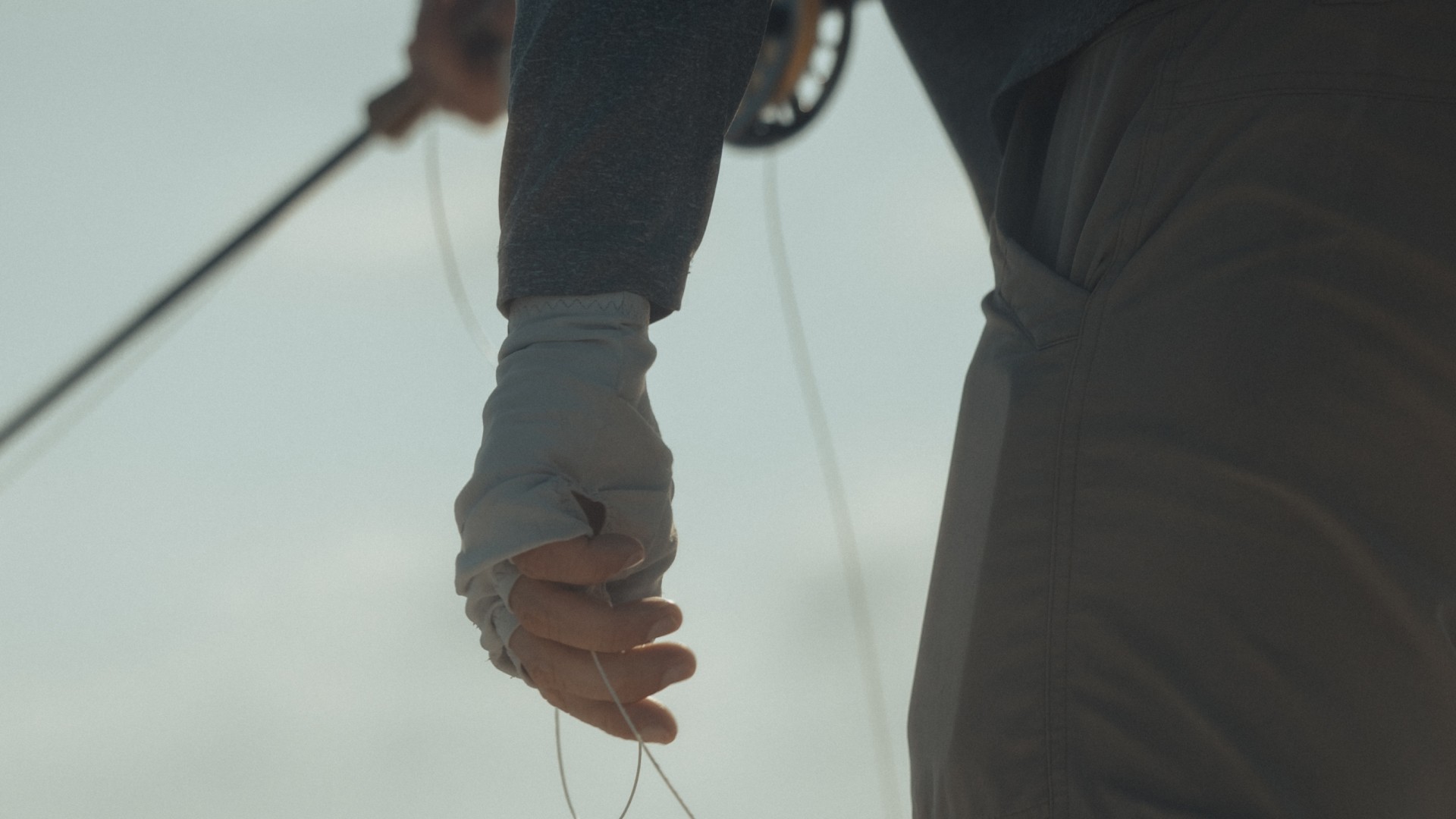
What makes permit so hard to catch?
They have sharp vision in clear shallow water and scare at anything that feels wrong. A shadow from your rod tip. A ripple where the line lands. Sunlight catching your leader. I’ve watched permit follow a fly for 10 feet and spook for no reason I could see.
They feed mostly on crabs, shrimp, and urchins, crushing them with grinding plates in their palate. When they spot something on the bottom they tip nose-down to grab it. That tailing fish is the one you want. It’s feeding, it’s happy and it’s committed. A cruising fish is harder. They are tougher to spot for an untrained eye, they may not be hungry, or it may have already seen too much pressure that day.
Big adults are often solo or in pairs. Smaller fish travel in schools of 10 or more. Don’t assume the school fish are easier. More eyes, and if you spook one you spook them all.
One other thing: always check for permit when you spot a stingray. Permit follow rays and pick up whatever gets stirred off the bottom when the ray muds. A permit shadowing a ray is feeding. That’s a fish worth casting to.
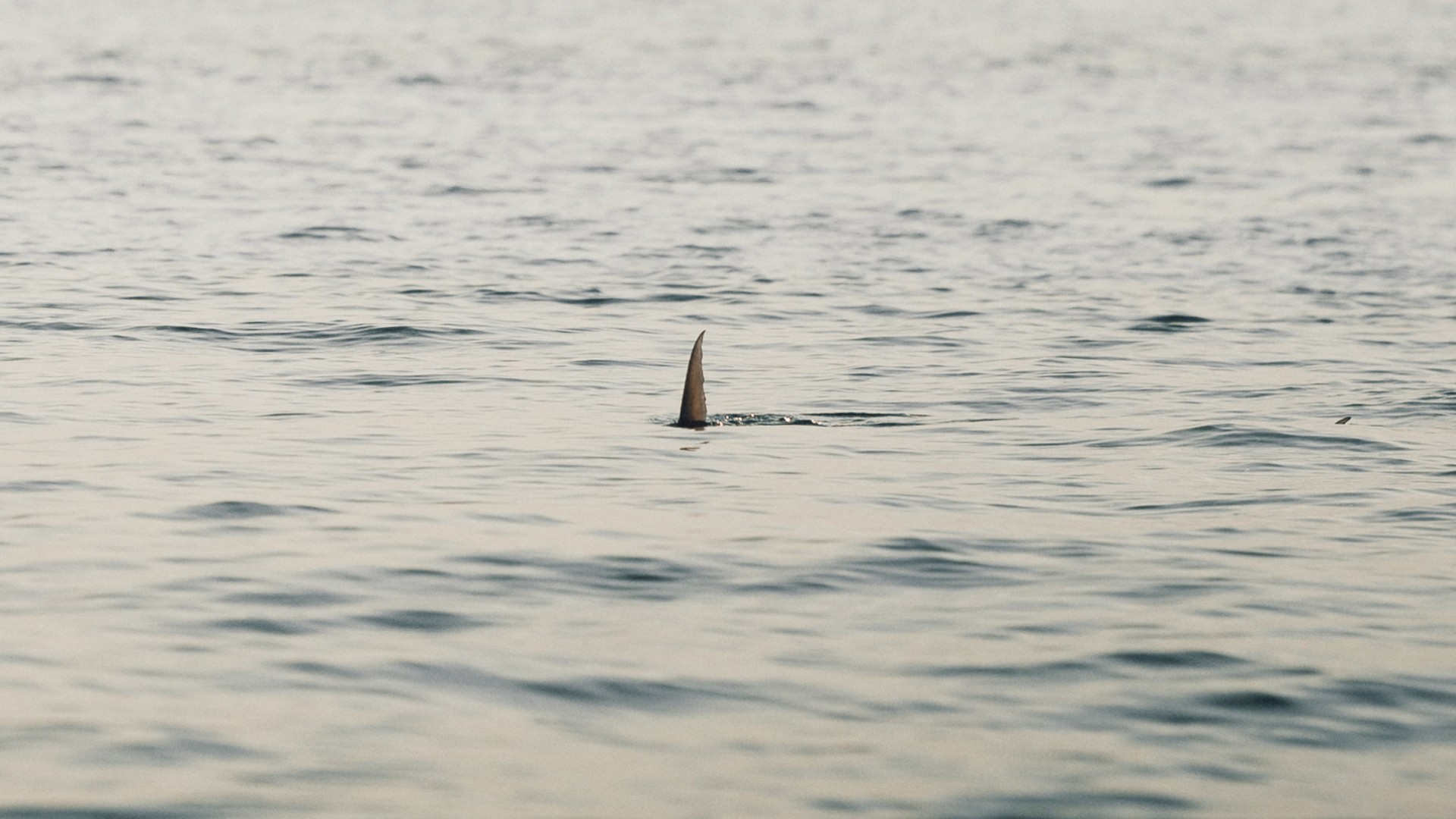
Where and when to find them
The South Water Caye Marine Reserve between Placencia and Dangriga is hundreds of acres of turtle grass, sand, and coral flats. On a good day we can get a dozen shots without moving far.
April and May are peak, consistently the best months for stalking tailing fish in skinny water, with good fishing March through August. October and November fish well too. The slower period is December through February when cold fronts can come pushing in from west and north. Between fronts it’s fine, but a hard front will shut them off.
Moving water brings permit onto the flats to feed. Incoming tide is classic. They push up as the water rises and you can see the tails start popping up. First hour or two of outgoing is good too, they feed hard before the flat drains. Slack tide is usually dead.
The moon matters because it drives the tide. If permit are the goal, the best windows are 6 to 7 days before the full moon, or 2 to 3 days after the new moon. Spring tides, with the rising water in the morning, which is when permit hunt hardest. On the full moon itself we get out earlier: better tides, fewer boats. Quarter moons are the middle ground.
More on tides and moon phases or see the full month-by-month fishing calendar for Belize.
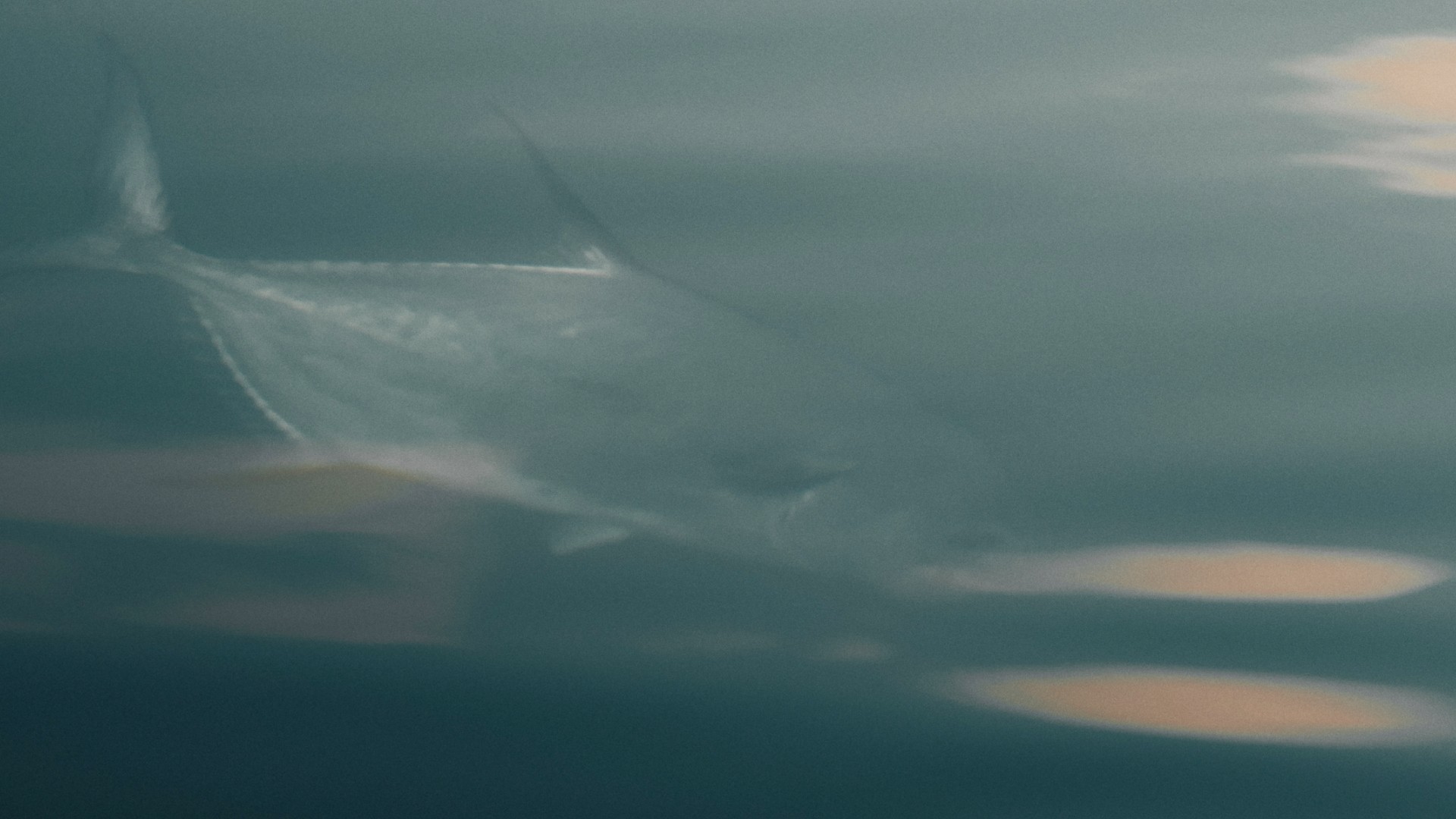
Spotting and approaching
You’re on the bow, 40 to 50 feet of line stripped out and ready to go. Keep your eyes up and scan the water ahead. Especially where the edge of the flat starts dropping off into deeper water.
Look for tails, nervous water, small pushes and shadows moving against the current. Look for the dark shape that doesn’t move the way the grass moves. Call it out if you think you see one.
When we’re wading, move slowly and stop often. Keep your eyes peeled, and let the line drag behind you.
Presenting the fly
When the permit is tailing, try to land the fly as close to its head as possible without spooking it, and without actually hitting the fish. If it’s cruising, try to lead it by 3-5 feet depending on water depth.
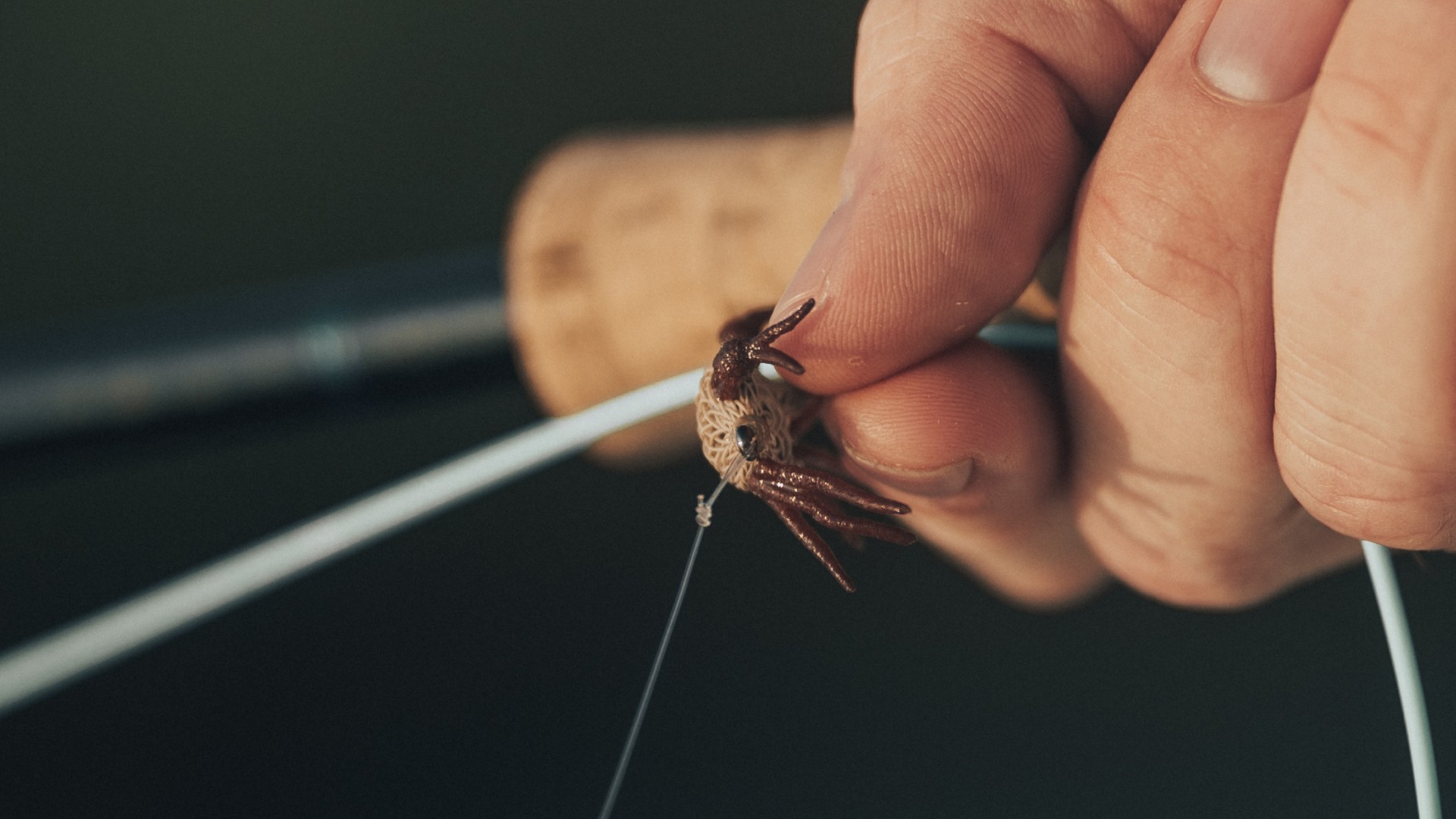
When fishing a crab fly, cast out and let it sink. Give one short strip to get the fish’s attention. Then stop. If it sees the fly it will swim over and investigate. Only keep tension on the line, and crawl the fly at most. If the fish is tailing, twitch it to get the fish to see it. Don’t strip fast. A crab doesn’t swim fast. It sits on the bottom and barely moves.
Shrimp patterns allow a more active presentation. Twitch-strip-pause. If a permit follows, keep it moving with slow strips and a pause every few feet. Match your stripping to the fish’s mood.
You’ll usually get a few casts before the fish moves on or commits. Practice before you come, if you can. If you can’t consistently hit a 50-foot target in 20-knot wind, I recommend you try to work on that before you come down.
Reading body language
Watch the fish, not the fly.
If it turns toward the fly, it’s interested. Keep still. If it tips its nose toward the bottom, it’s likely eating. Check it or strip-set right away. If it flares away suddenly, you spooked it. If it ignores the fly completely, change pattern, color or fly size.
The most common mistake I see is moving the fly the moment something feels uncertain. Wait for the fish to tell you what it wants.
The strip-set and the fight
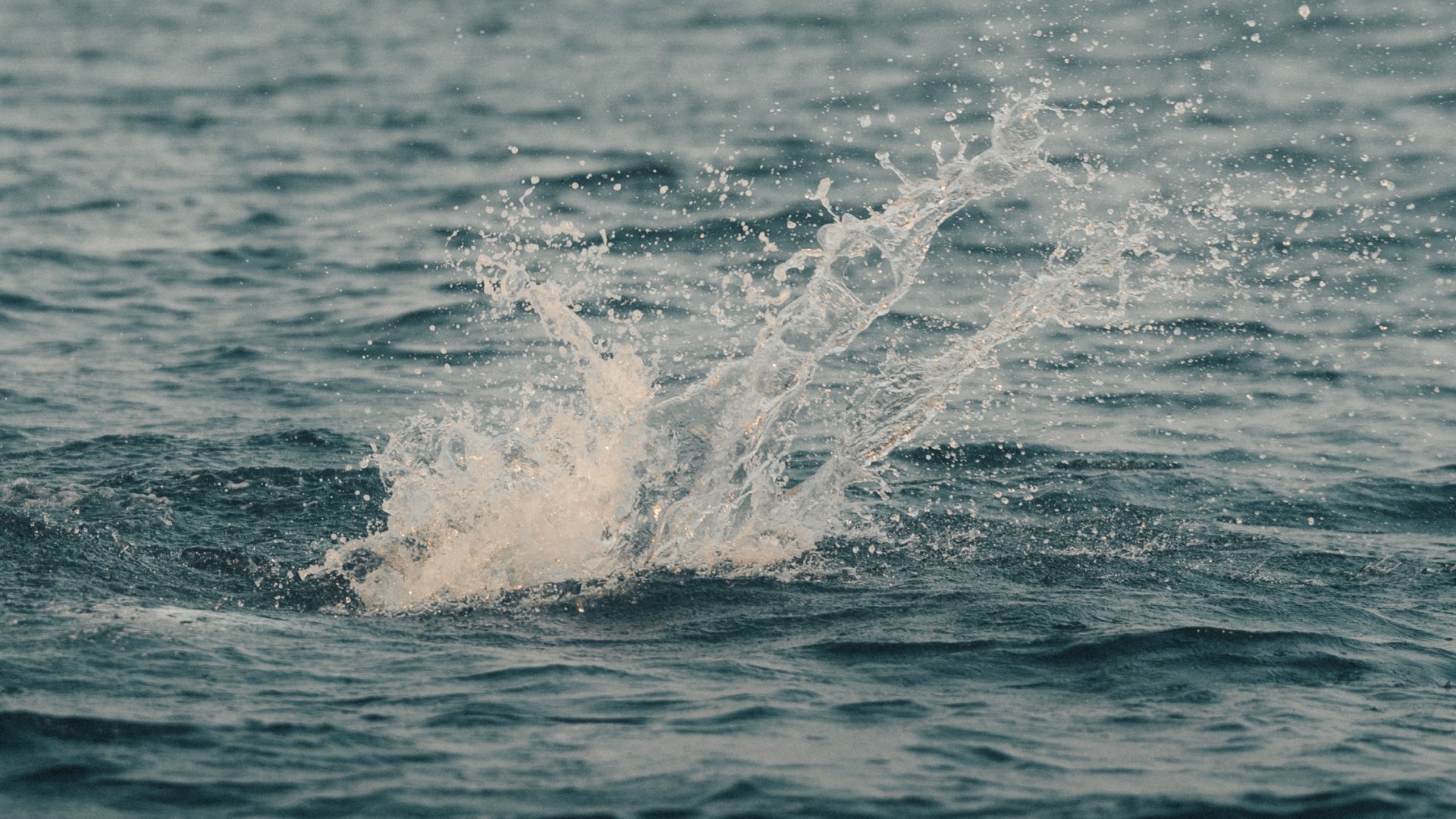
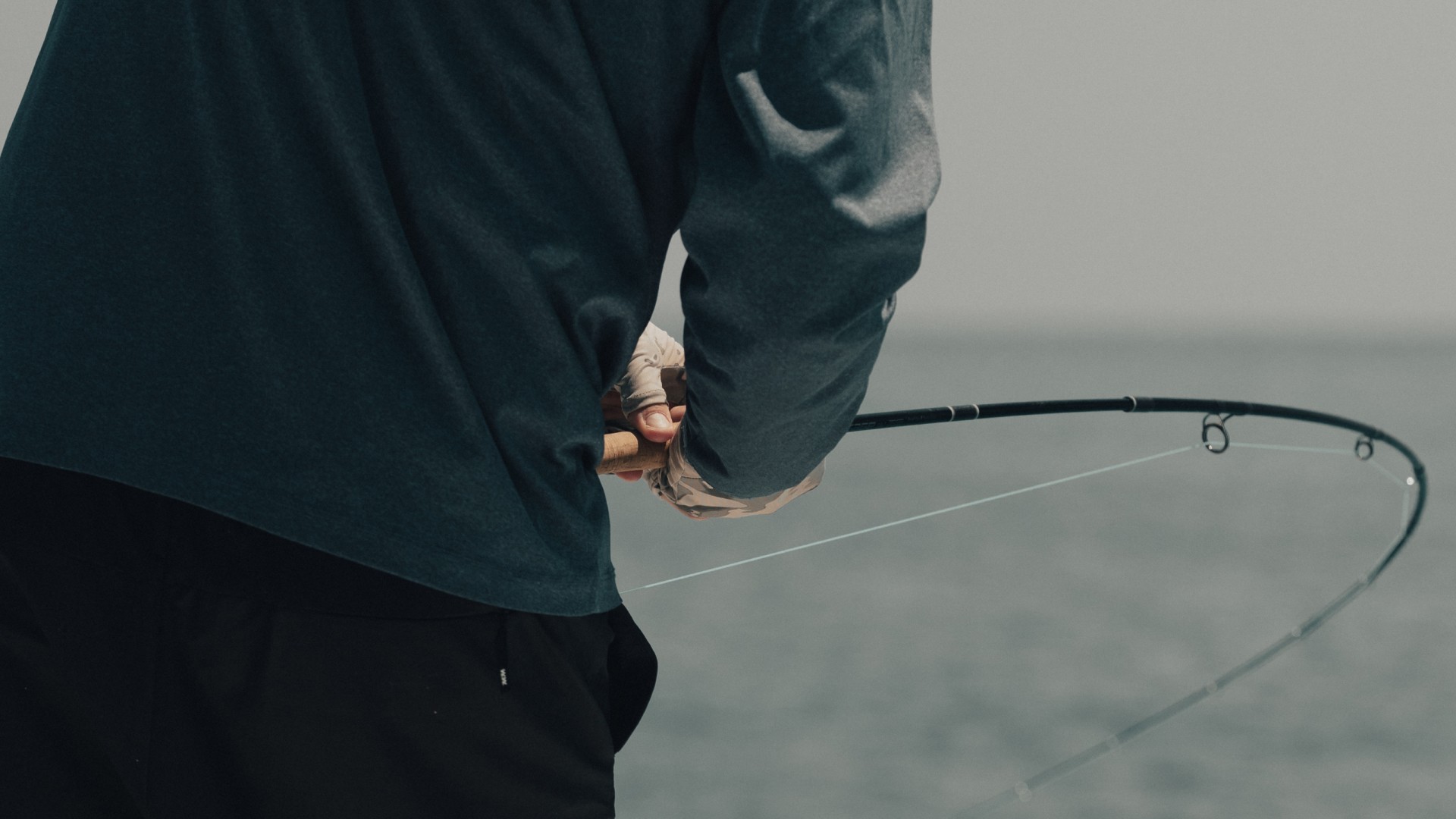
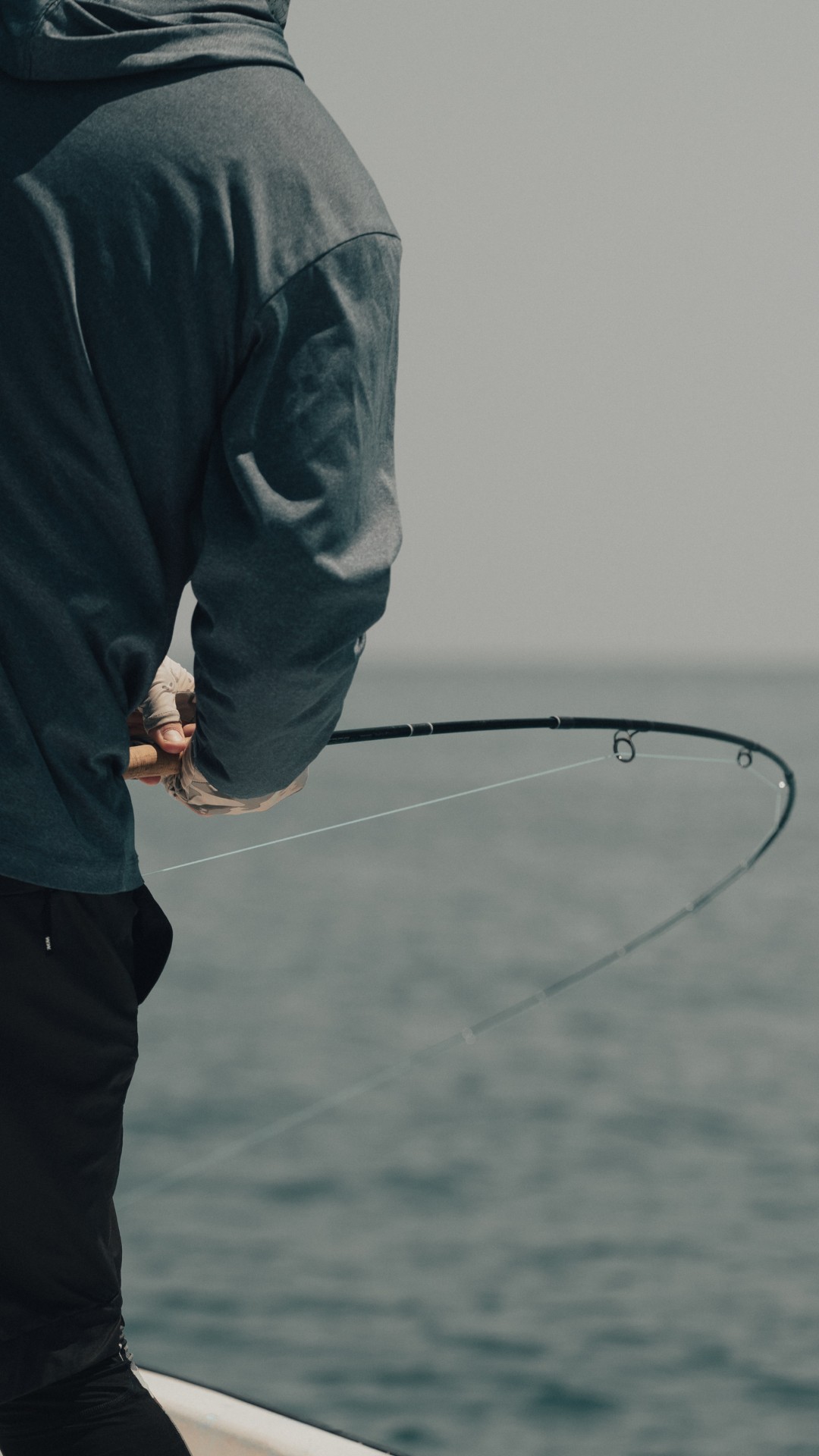
Do not trout set. When you feel weight or see the fly disappear, pull hard on the line with your stripping hand. Rod tip stays low and pointed at the fish. Once you feel it solidly, raise the rod and keep it high.
They’ll sprint immediately. Let them run against the drag. Clear line off the deck fast. When they slow, reel hard and keep constant pressure. Rod tip stays high the whole time.
If, and when they run toward coral or a reef edge, apply side pressure to try and turn them. Don’t chase them with the rod tip. Stay low, stay sideways to the fish, and let the drag do its job. Adjust the drag only if you have to and only between runs.
A few questions people ask
Best time of year to catch permit?
April and May are peak, with good fishing March through August. They’re catchable year-round if conditions cooperate. If you can pick your days, come 6 to 7 days before the full moon or 2 to 3 days after the new moon for the best tides.
Where are the best places?
“Permit Alley” between Dangriga and Placencia. South Water Caye Marine Reserve. Northern areas (Ambergris, Caulker) have schools of smaller fish. Good for first-timers. Southern flats have bigger fish and better tailing opportunities.
Why is permit so hard to catch?
Incredibly wary. Sharp vision in clear water. Spook at anything odd. Unpredictable feeding. Sometimes they charge a fly, sometimes they ignore the same presentation. Require accurate casts without spooking them.
Do I need a guide?
Not required, but your chances go way up with one. We know which flats to fish for current tides, we can spot fish 100+ feet away, position the boat perfectly, and coach your every move.
What’s the biggest mistake beginners make?
Moving the fly too much. Let it sit or crawl it slowly! Crabs don’t swim fast.
Permit are my specialty. If you want to fish out of Placencia or nearby areas, feel free to get in touch. Tell me when you’re thinking of coming and I’ll give you an honest read on conditions and opportunities.

I run half day, full day and multi-day fly fishing trips from Placencia, Hopkins or nearby islands. Target species are mainly permit, tarpon, and bonefish.
What happens next?
I'll respond within 24 hours
We'll discuss your dates, preferences, and any questions
Payment is due at the end of your trip

Multiple shots guaranteed — 400+ permit landed —

