Locations
Fly fishing in Placencia, Belize
Permit are the main draw of fly fishing in Placencia. They average 8 to 20 pounds with bigger fish to 30, tailing the flats on incoming tides and cruising the coral patches.
April and May are the peak permit months in Placencia, inside the main March through August window of stable weather, light winds, and warm water.
Placencia is a 25-minute domestic flight from Belize City on Tropic Air or Maya Island Air, or a 3 to 3.5-hour drive.
I plan Placencia trips around the tides, not the clock. Half days run about 4 hours dock to dock, full days 8 hours.
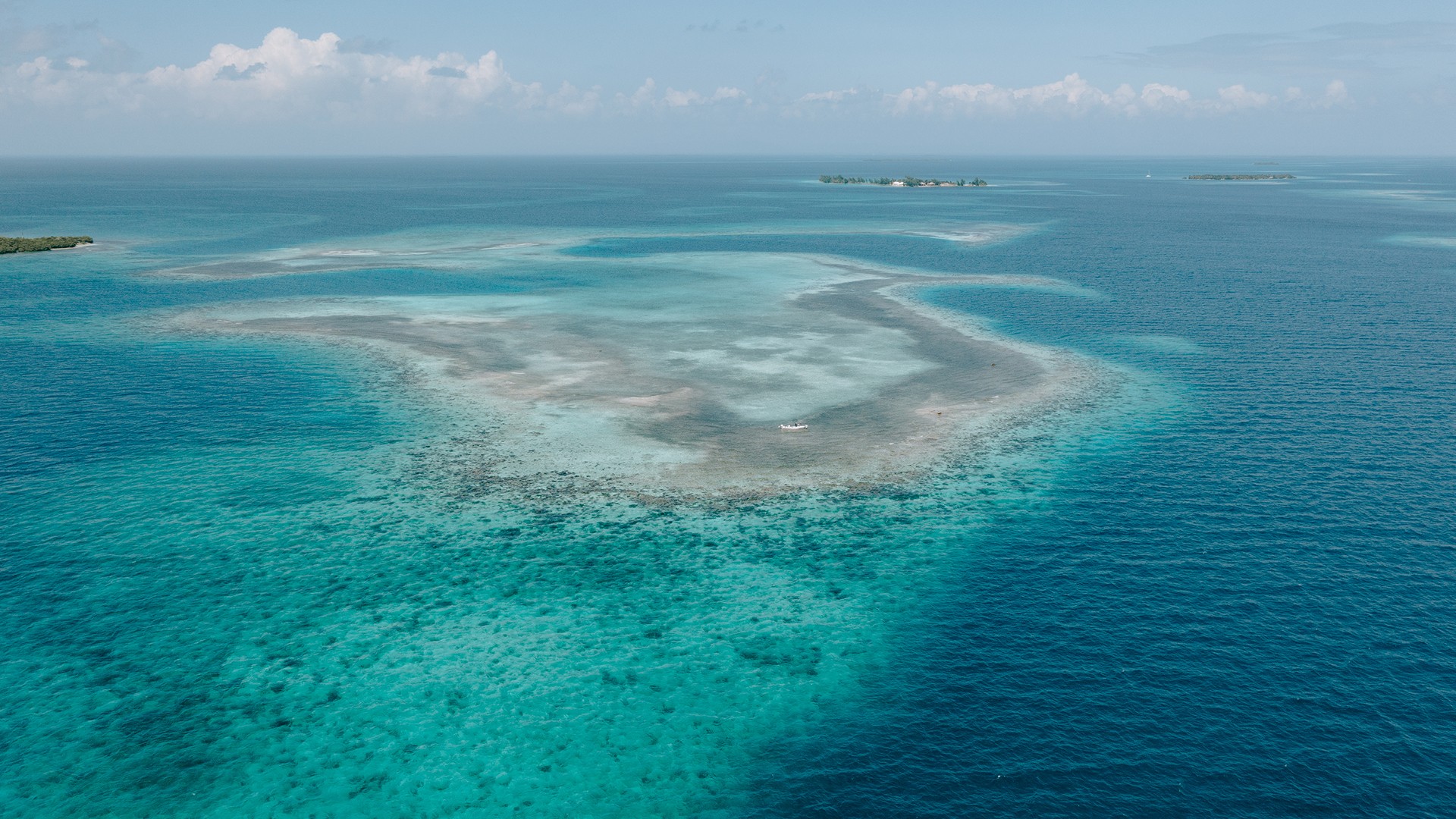
Placencia sits in the middle of “Permit Alley”. A long stretch of flats running from Dangriga south through the South Water Caye Marine Reserve. Permit, tarpon, and bonefish, all within a short boat ride of the village.
It’s one of the best all-around flats fisheries in the Caribbean, and it’s my home water!
Why Placencia
The flats here are classic permit country. Hard sand, turtle grass, crushed coral. Pancake flats around mangrove cayes where you can wade and stalk fish on foot. The South Water Caye Marine Reserve protects hundreds of square miles of it.
What makes the area work for a full trip is the variety. Morning permit on the flats, resident tarpon in a lagoon before noon, bonefish on a sandy patch in the afternoon. Everything is close. You’re not burning two hours running between spots.
Permit, tarpon, and bonefish have been strictly catch-and-release by law since 2009. The fishery is healthy because of it.
What you’ll catch
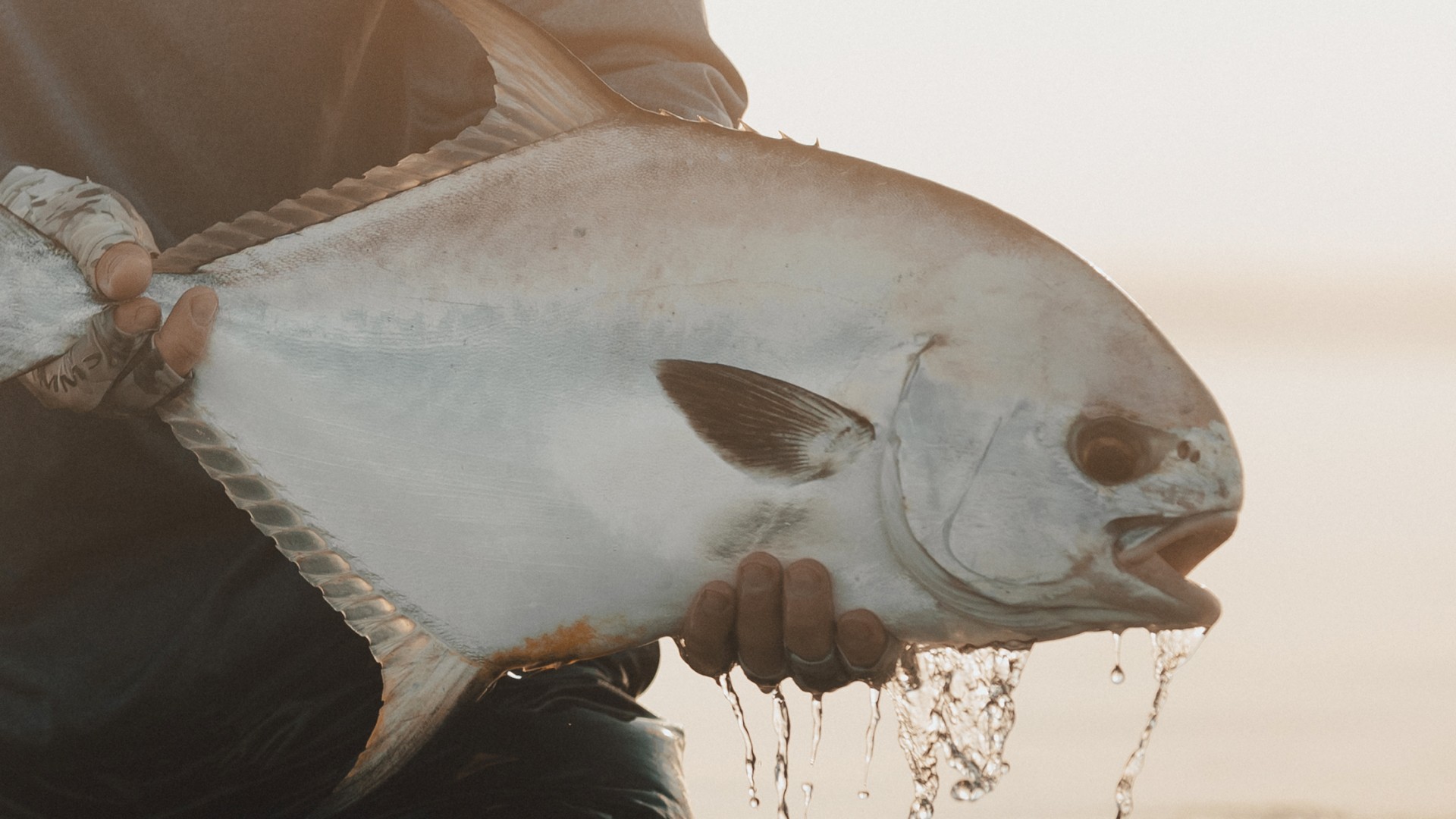
Permit
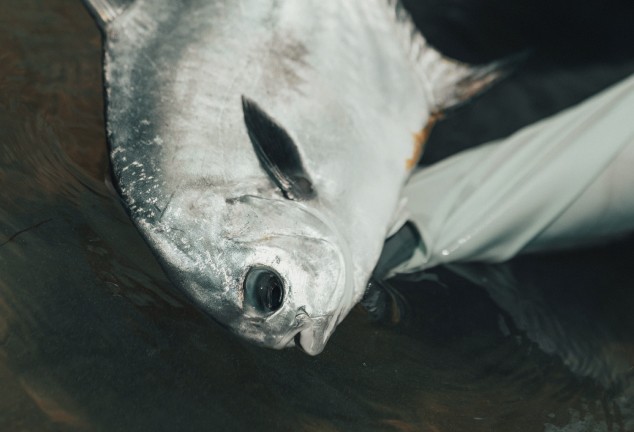
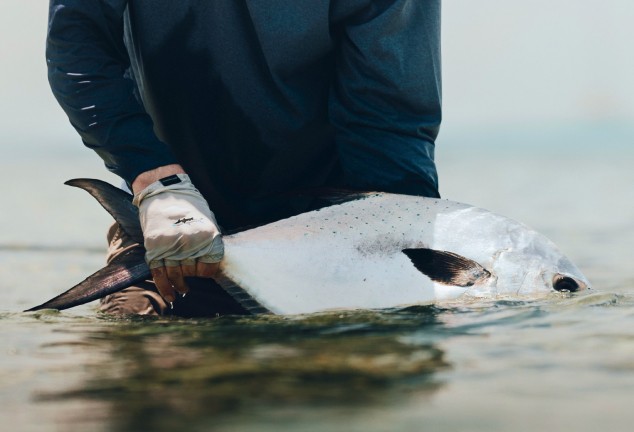
The main draw. Placencia has some of the most consistent permit fishing anywhere, and the fish here are strong! They average 8 to 20 pounds with bigger ones around 30.
We find them tailing on the flats on incoming tides, cruising coral patches and reef edges, and pushing wakes in schools across open sand. On calm days we stop the boat and wade to keep the approach quiet. Windy days we pole the boat and cast from the bow.
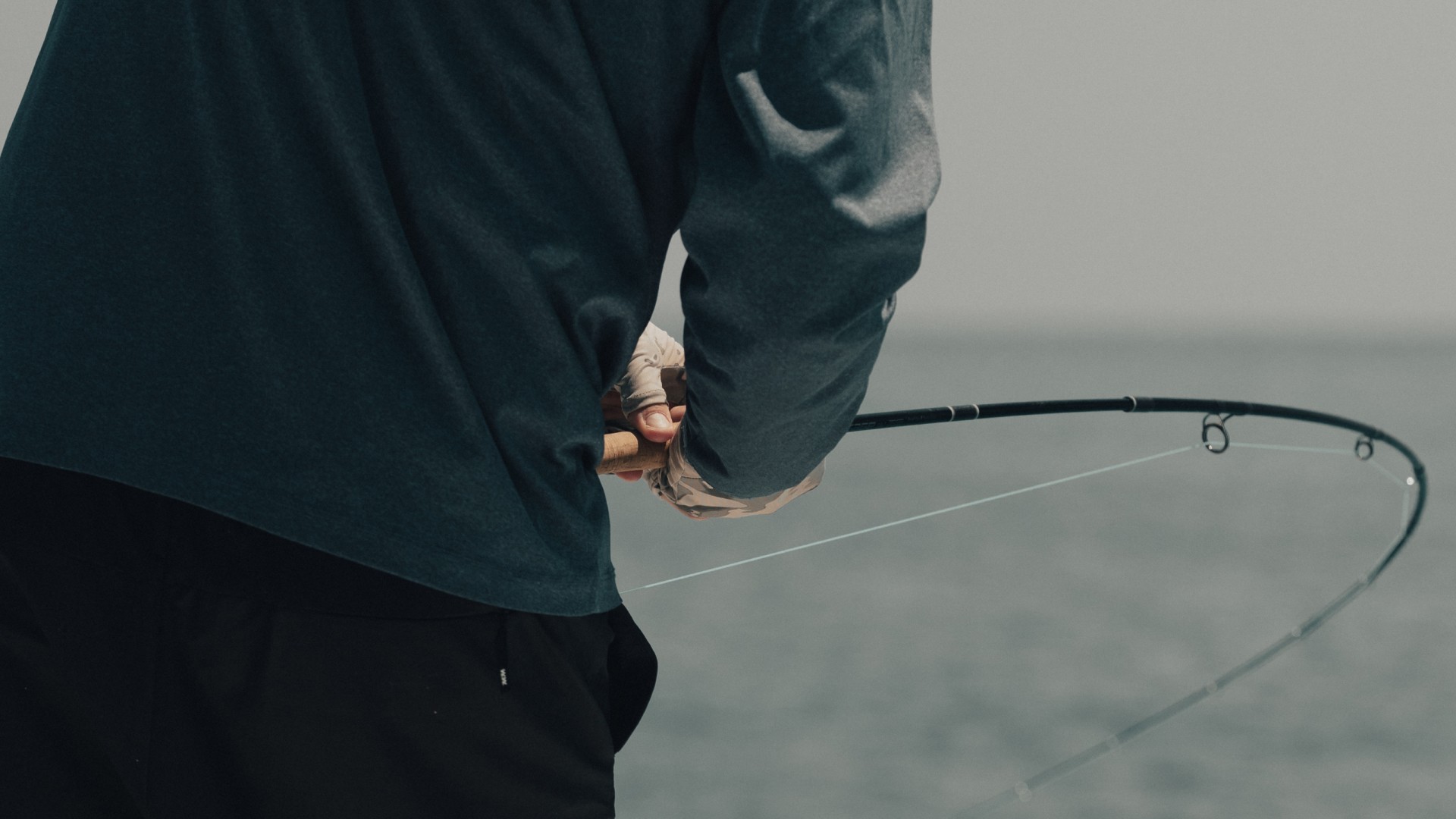
They’re spooky though. One bad presentation and they’re gone. But when conditions are right, the cast is good and the stars align, they eat!
For a full breakdown on tactics and flies, see the permit guide.
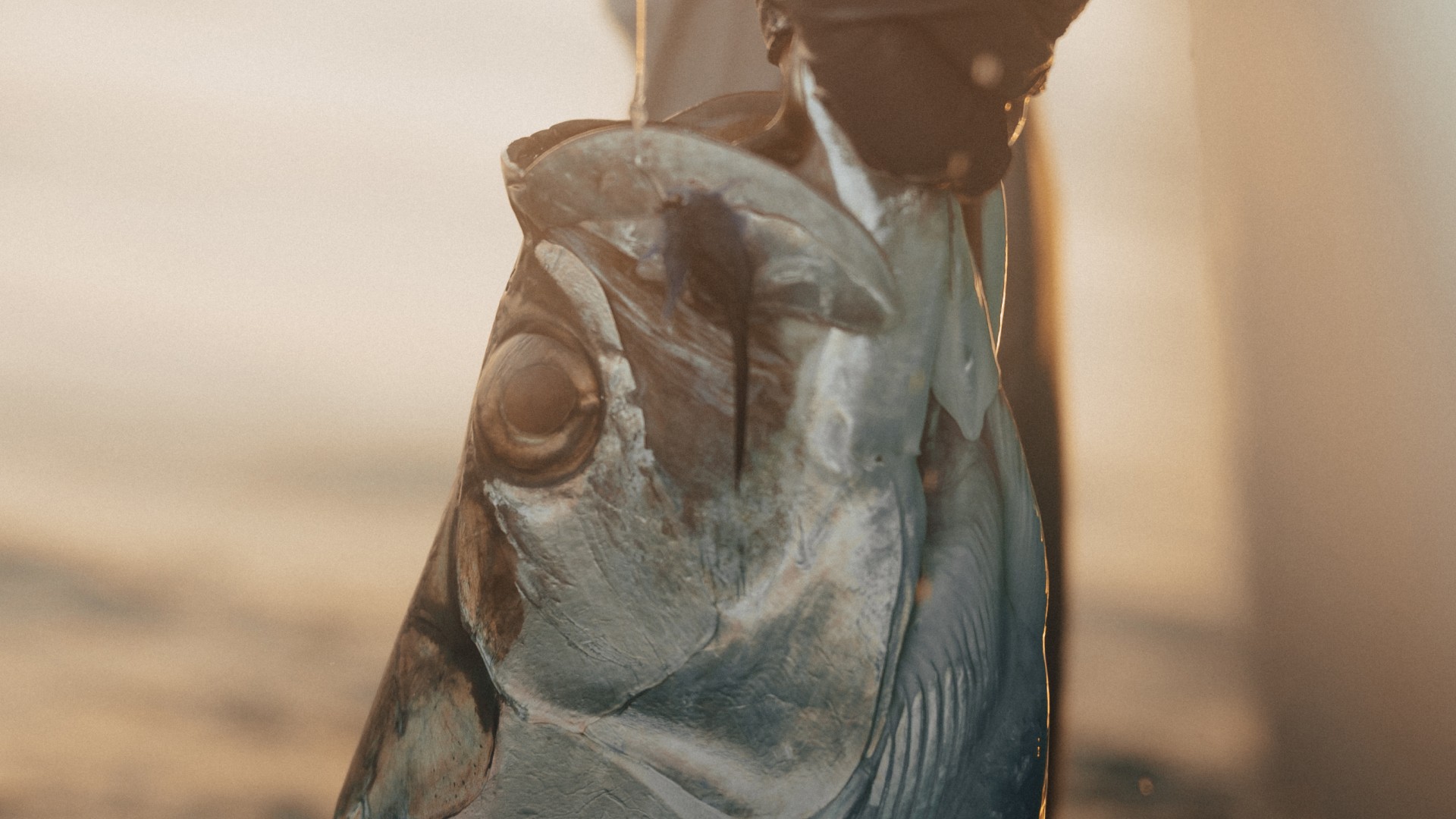
Tarpon
Two fisheries. Resident fish mostly in the 10 to 25-pound range year-round in mangrove lagoons, creek mouths, and channels. And huge migratory fish, 60 to 100+ pounds, from mid-April through summer and often into September, moving through open water and river mouths.
Dawn and dusk are prime for both. Moving tides push bait around and that’s when they feed. Use a 9 or 10-weight for residents, and 11 or 12-weight for the migratory fish.
For an in-depth deep dive on tarpon, check Tarpon fishing in Belize.
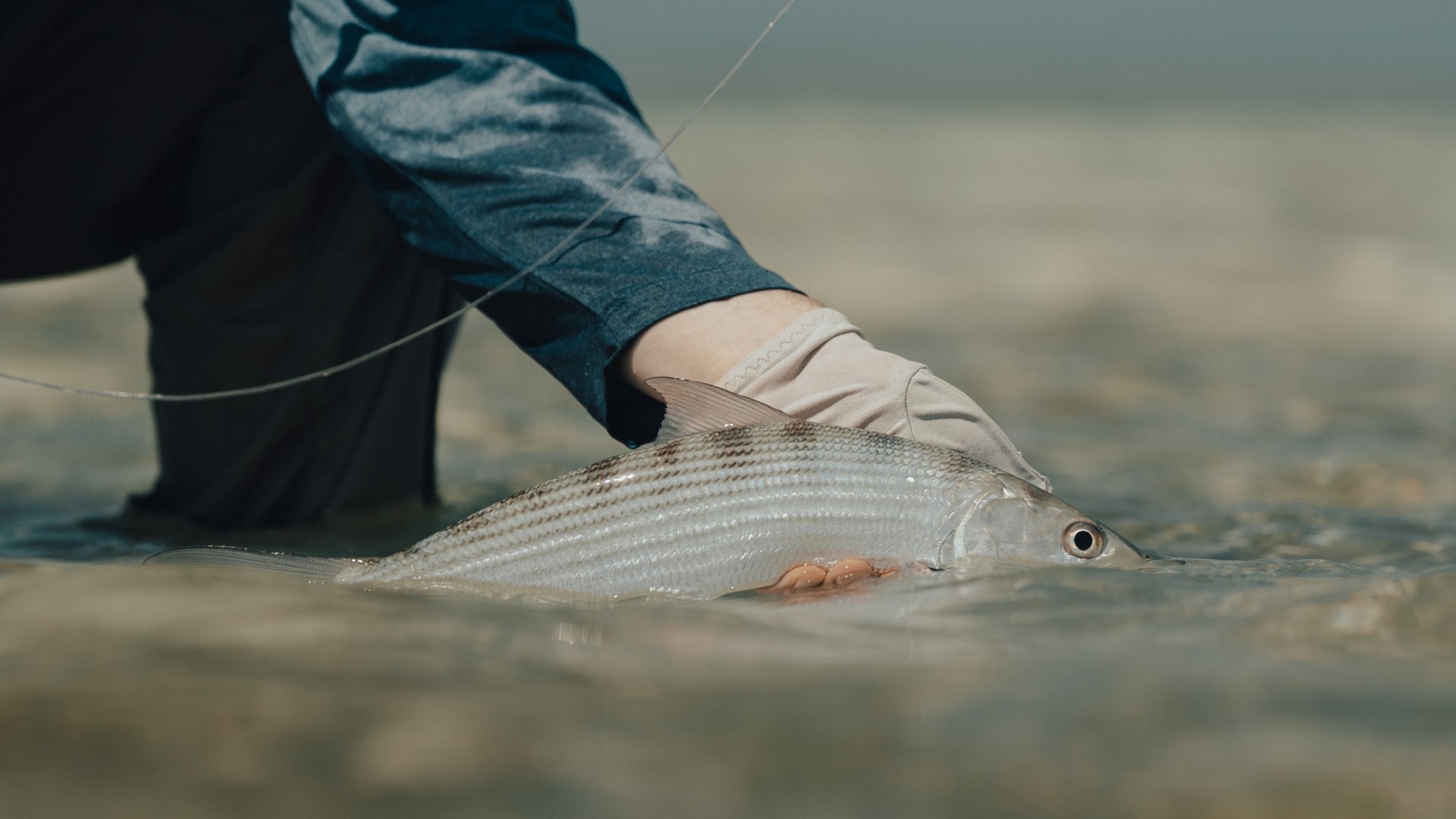
Bonefish
2 to 4 pound fish on average with occasional 6 or 7 lurking about. We’ll find them around the nearby cayes. They cruise in small schools over turtle grass and sand flats, nervous water and flashes giving them away. Good fish for beginners. Aggressive eaters and strong runners on light tackle. Super fun.
Read more about bonefishing in Belize
Other species
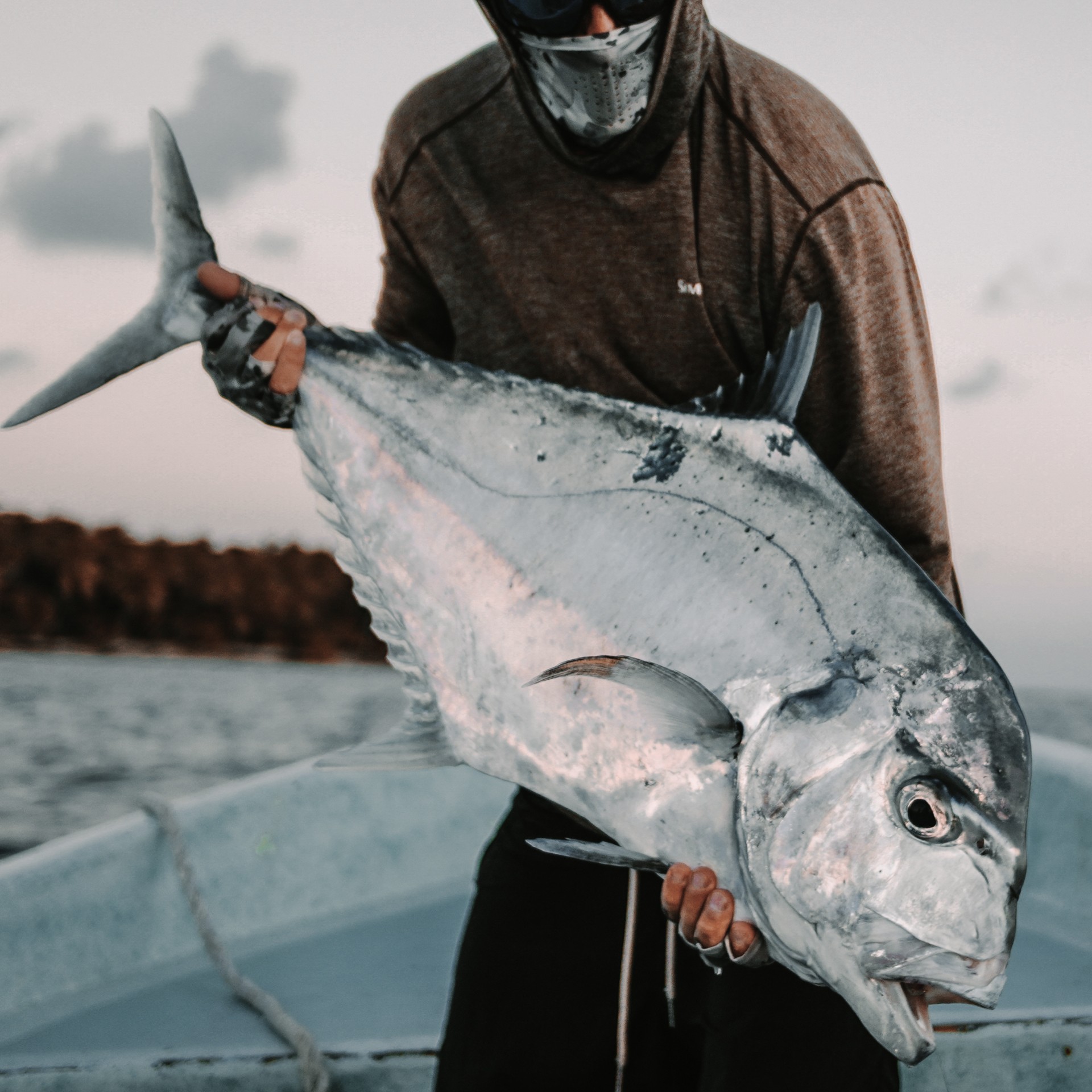
Triggerfish, barracuda, snook, and jacks and even the occasional pompano all take flies and all fight hard. Worth having a popper rigged on a spare rod for evening channel fishing.
When to come
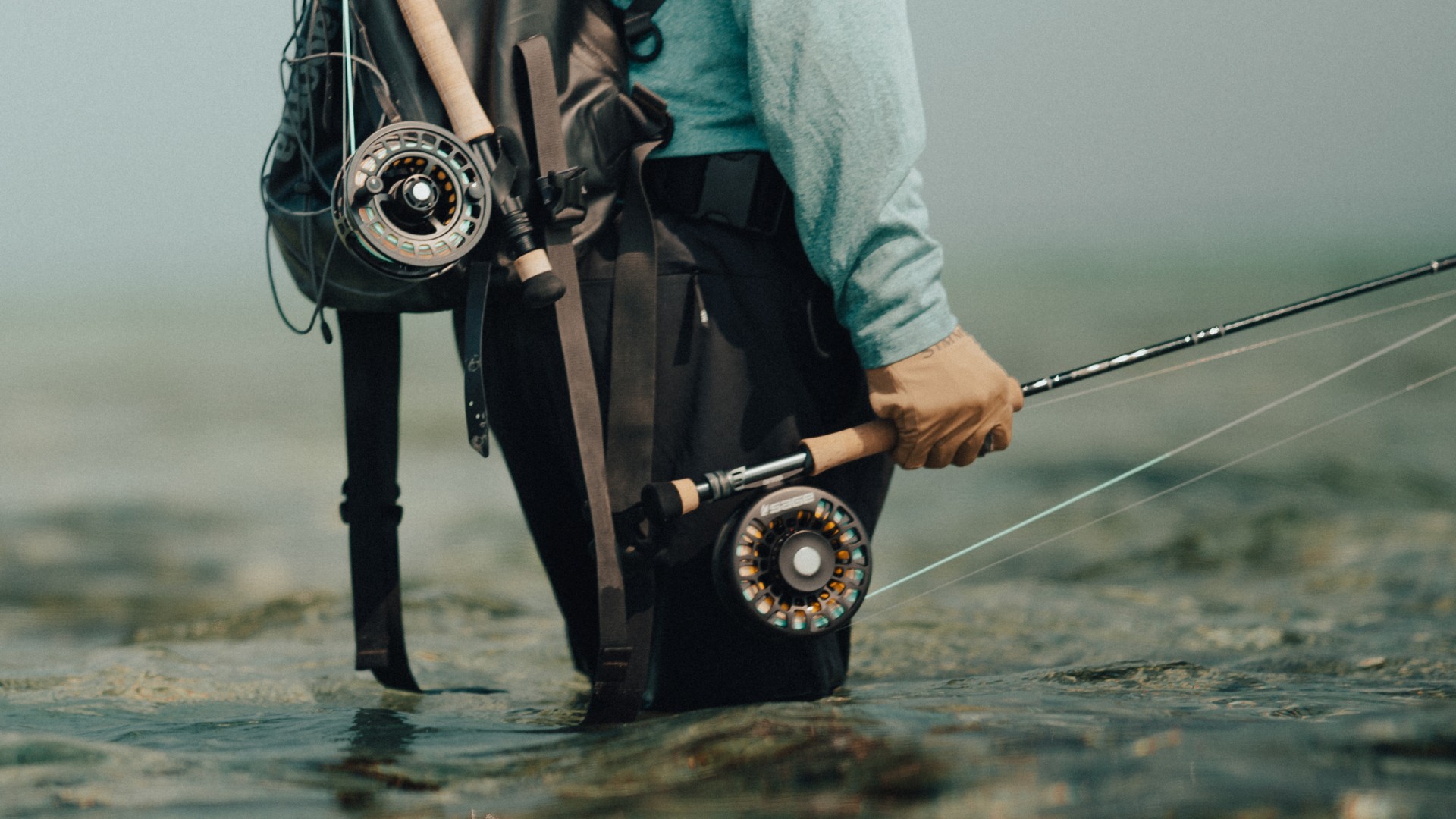
The fishery fishes year-round. What changes is the conditions and which species are peaking.
March through August is the main window. Stable weather, light winds, warm water. April and May are peak permit months. Big migratory tarpon move through from mid-April to August, often into September. All three species are available simultaneously in summer, which is when grand slams happen most.
September and October can be excellent. Hurricane season, so buy travel insurance, but between systems the fishing is often calm and hot with fewer people around. The fish usually haven’t seen pressure for weeks.
November through February can bring cold fronts down from the north. Between fronts the weather is mild and sunny. Bonefish and permit are still feeding. Resident tarpon available year-round. The big migratory fish come back in spring.
If your schedule is open, April through July is the window I’d pick. If you can only come in winter, it still fishes well. Just plan around the fronts.
For the full month-by-month breakdown, check the seasonal fishing guide.
What to bring
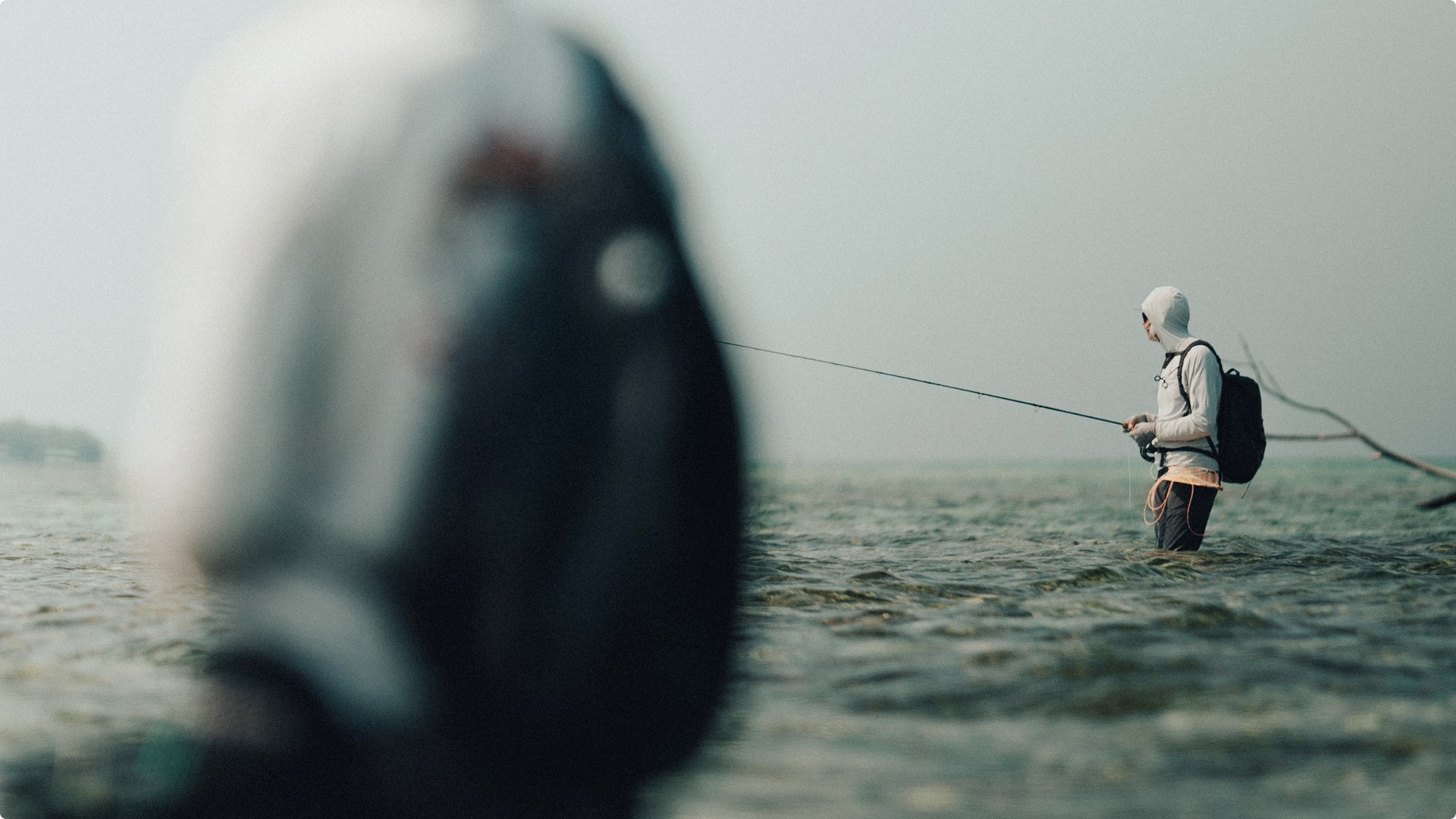
Fly shops are limited in Placencia. Bring what you need and then some.
Rods: 8-weight for bonefish, 9 or 10-weight for permit, 10-weight for resident tarpon, 11 or 12-weight for migratory tarpon.
Reels: large arbor, smooth drag. 150 to 200 yards backing for permit and bonefish, 250 to 300 yards for tarpon.
Lines: tropical-rated floating line for flats work. An intermediate or sink-tip for deep channel tarpon.
Leaders: 9 to 12-foot tapered to 12 to 20-pound for permit and bonefish. For tarpon, 20-pound class tippet with 60 to 80-pound shock.
Flies for permit: Bauer Crab, Merkin, EP Crab, EP Spawning Shrimp in sizes 2 to 6, tan, olive, brown.
Flies for tarpon: Toads, Cockroach, EP baitfish, Deceivers in 1/0 to 2.
Flies for bonefish: Gotchas, Crazy Charlies, Bonefish Bitters.
Other: polarized sunglasses with amber or copper lenses, flats boots, long-sleeve sun shirt in neutral colors, hat and buff, reef-safe sunscreen, light rain jacket.
For a full breakdown of recommended gear, check the Complete gear checklist
Getting to Placencia
Fly into Belize City (BZE) and connect on a domestic flight to Placencia, about 25 minutes. Tropic Air and Maya Island Air both run daily. Small planes, great views over the coastline on the way down.
Alternatively, drive or take a private shuttle from Belize City. About 3 to 3.5 hours.
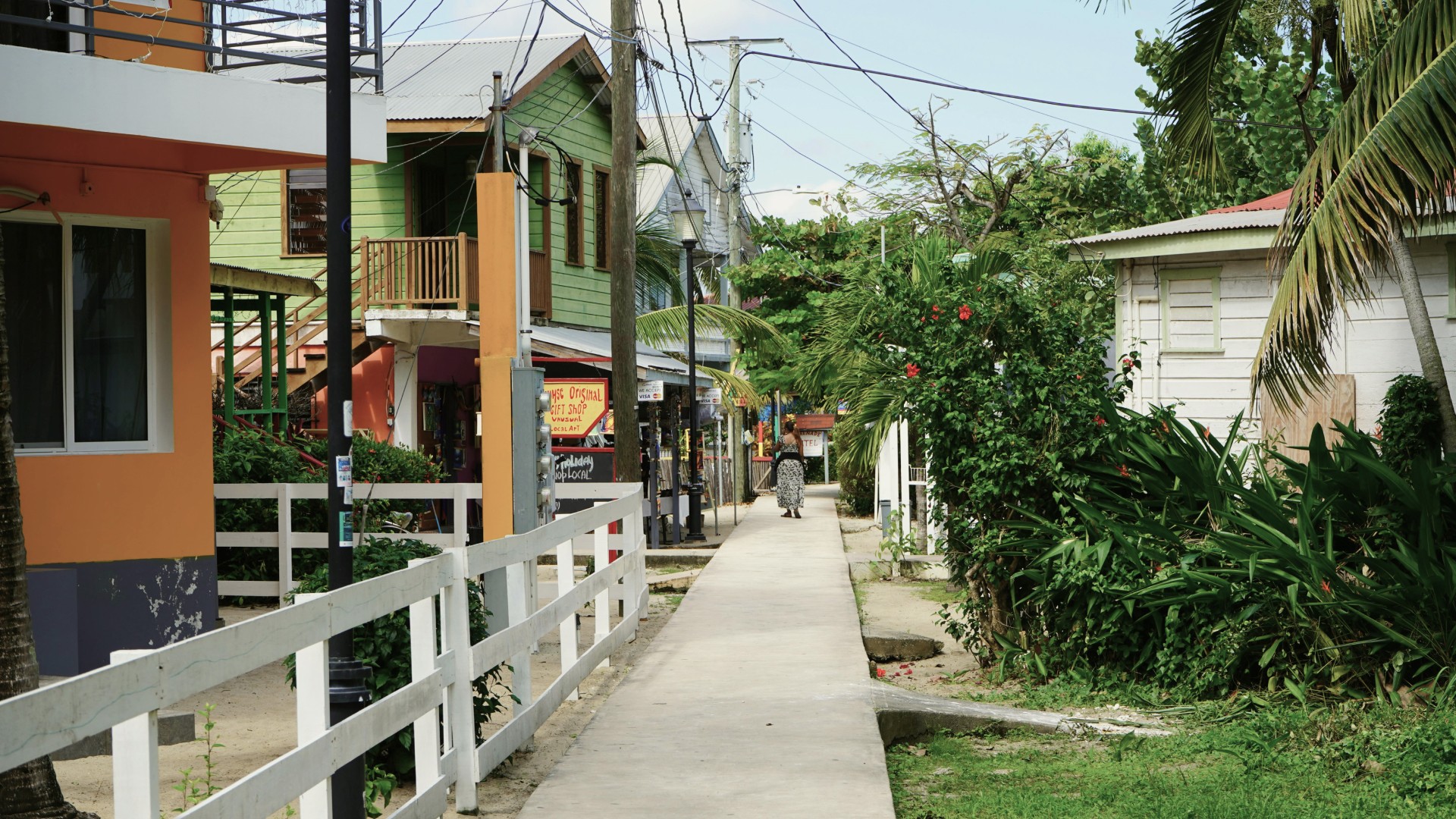
Placencia is a small beach village. One main road, everything close together. Most hotels arrange airport pickup.
On the water
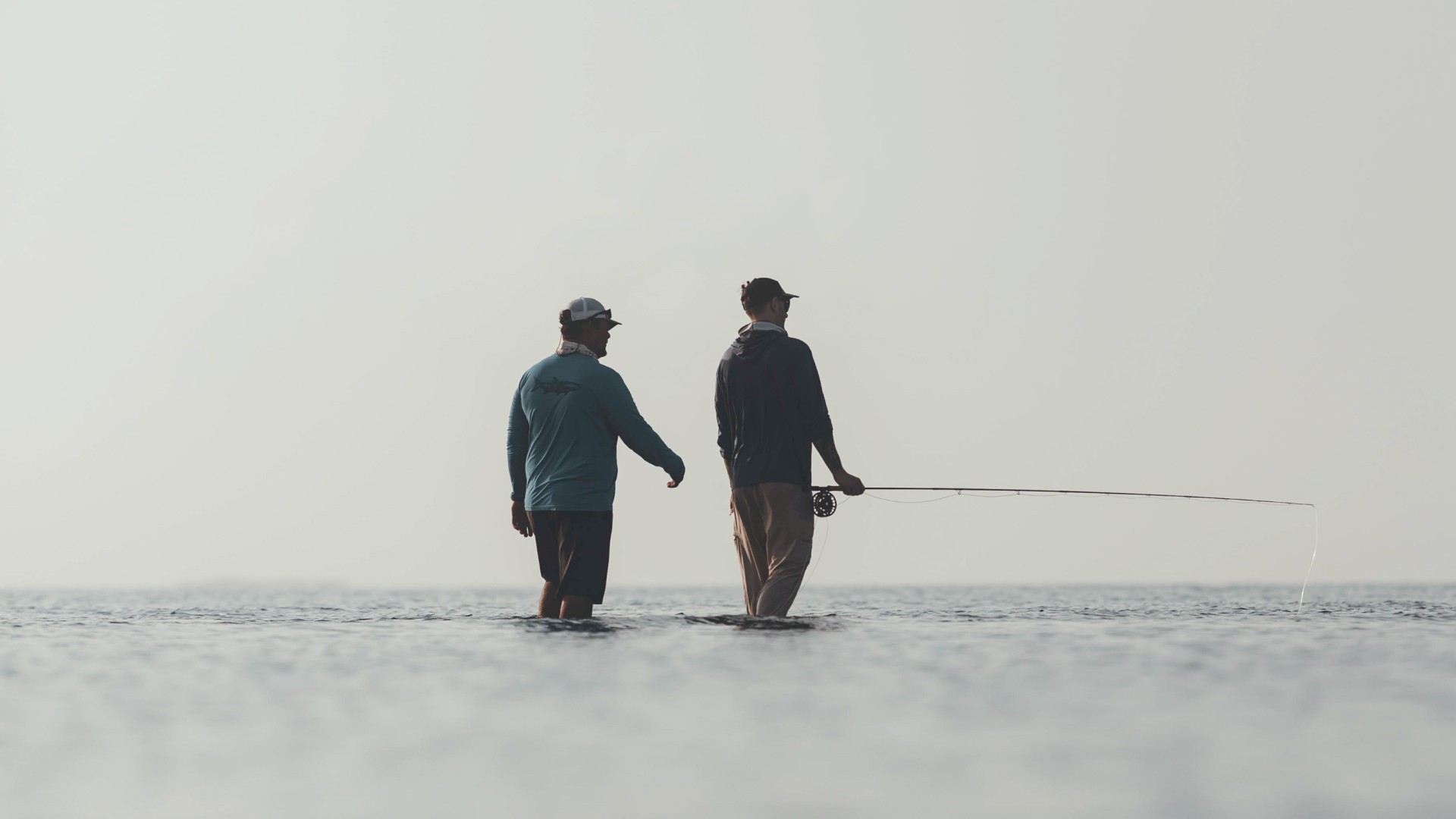
I plan trips around tides, not the clock. If that means launching at 5:30 in the morning to hit a sunrise high tide, we do it. If it means fishing through sunset to catch the evening bite, same.
Half-day charters run about 4 hours dock to dock. Full days are 8 hours. Full days give you more, two tide phases, multiple spots, more shots at fish. Half days work well if that’s what your schedule allows.
When we’re out I’ll call the shots and position the boat. You fish. If something isn’t working we change it. Different fly, different flat, different species. Whatever happens, multiple shots are guaranteed.
Common questions
Is Placencia good for first-time fly fishers?
Yes. Bonefish are forgiving and there are plenty of them. Resident tarpon are manageable on a 10-weight. Permit are harder, but beginners catch them here too. I’ll coach as much as you want and need.
What’s different about Placencia versus northern Belize?
Up north around Ambergris and Turneffe you’ll find schools of smaller permit, good for a first fish. In the south the permit are bigger, the tailing opportunities are more consistent, and the water is less pressured. Different experience, both worth doing.
Do I need to bring my own gear?
Bring your own if you have it. I have gear available if you don’t, but most people prefer their own. Whatever you bring, make sure it’s saltwater-rated and rinse it with fresh water at the end of every day.
I’ve been fishing these flats my whole life. If you’re thinking about a trip to Placencia, get in touch. We’ll work out the right time of year and what to target based on what you’re after.

I run half day, full day and multi-day fly fishing trips from Placencia, Hopkins or nearby islands. Target species are mainly permit, tarpon, and bonefish.
What happens next?
I'll respond within 24 hours
We'll discuss your dates, preferences, and any questions
Payment is due at the end of your trip

Multiple shots guaranteed — 400+ permit landed —

