Flies & Gear
The Bauer Crab: why it's still the best permit fly in Belize
Will Bauer developed the Bauer Crab in the 1980s, fishing the flats of southern Belize with Lincoln Westby and testing materials, weights, and profiles on the permit there.
My father, Charlie Leslie Sr., fished and guided alongside Lincoln Westby for years on those same southern Belize flats.
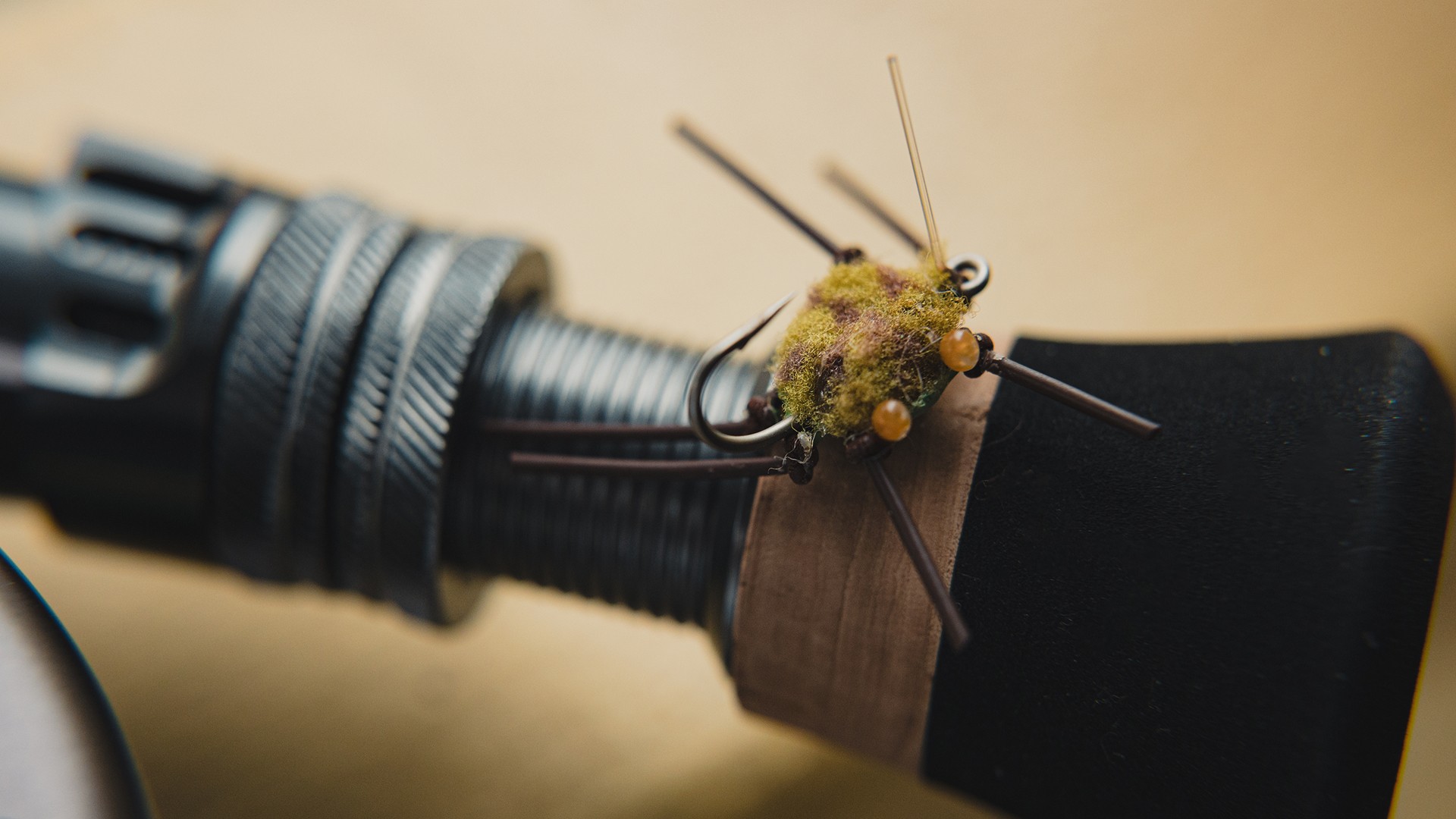
The crabs on Belize flats are nickel-sized, tan on sand and olive-brown in turtle grass. The Bauer Crab matches them in size, profile, and color.
Size 4 is the all-around Bauer Crab for Belize, size 6 for skinny water and spooky fish. Carry dumbbell-eye versions for wind and depth, bead chain for shallow flats.
Tie Bauer Crabs on strong saltwater hooks, Gamakatsu SL12S or TMC 811S.
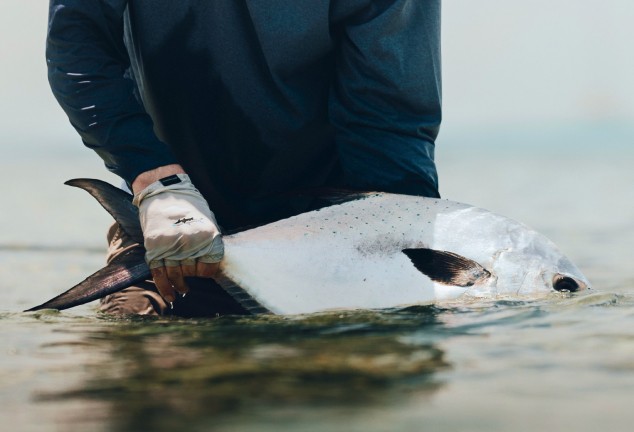
I’ve watched permit refuse flies that looked perfect. Spook from a fly that landed six feet away. Follow for 10 feet and turn off. That’s just permit fishing.
But one pattern keeps producing. Year after year, flat after flat. The Bauer Crab.
Where this fly came from
Will Bauer developed it in the 1980s while fishing with Lincoln Westby, who is the most knowledgeable permit guide southern Belize has ever had. They spent seasons on these flats testing materials, adjusting weight, watching how permit reacted to different profiles and sink rates. What they built came out of that water. That’s why it works here.
My father, Charlie Leslie Sr., fished and guided alongside Lincoln for years on these same flats. I grew up hearing about those days and later learned the water myself. The Bauer Crab was in every serious guide’s box then. Still is.
Why it works
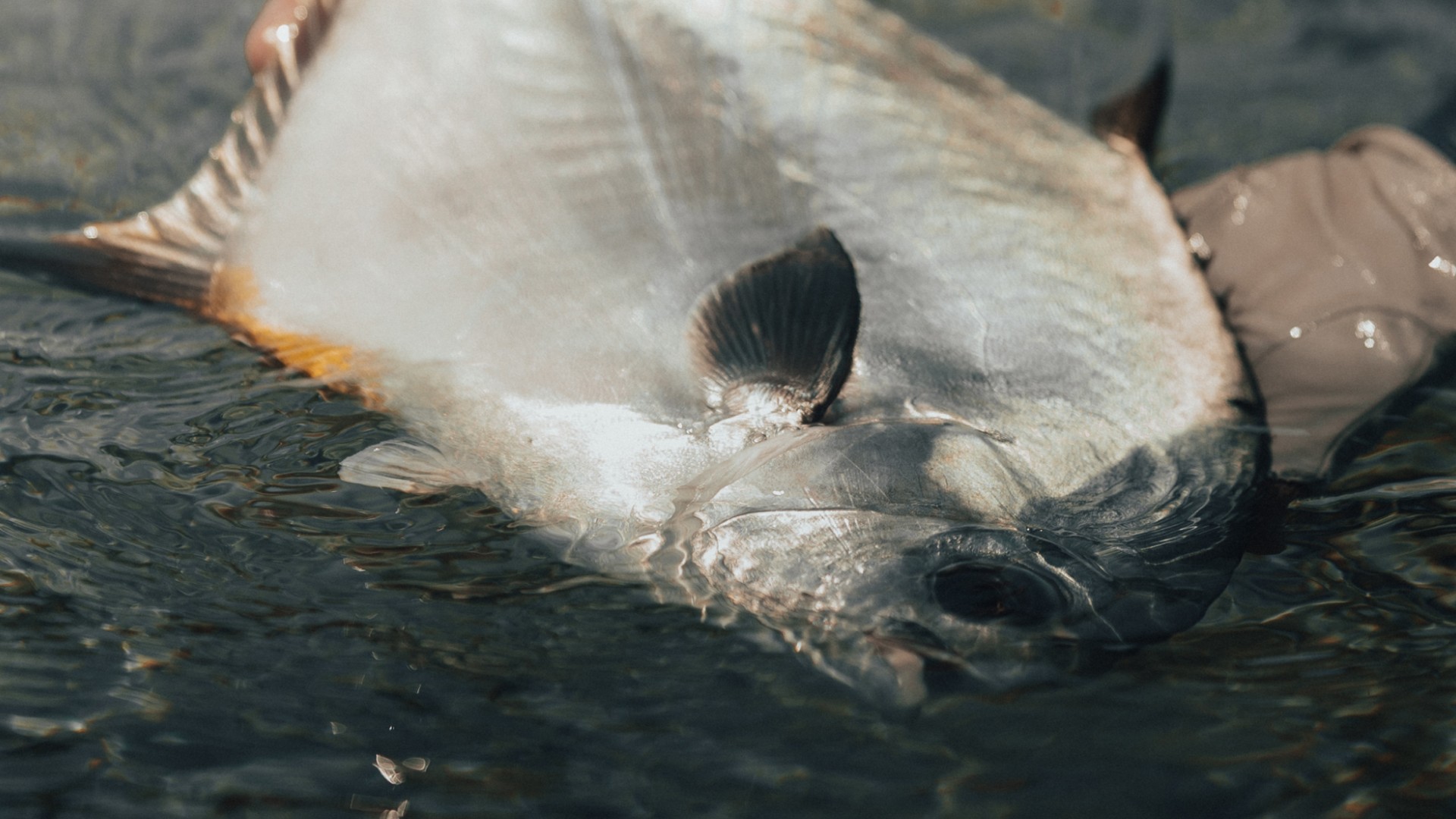
Permit eat crabs. Spend an hour on any flat in Belize, turning over rocks and you’ll see them. Small crabs, nickel-sized. Tan on sand. Olive-brown or emerald-colored in turtle grass. The Bauer Crab matches those crabs in size, profile, and color.
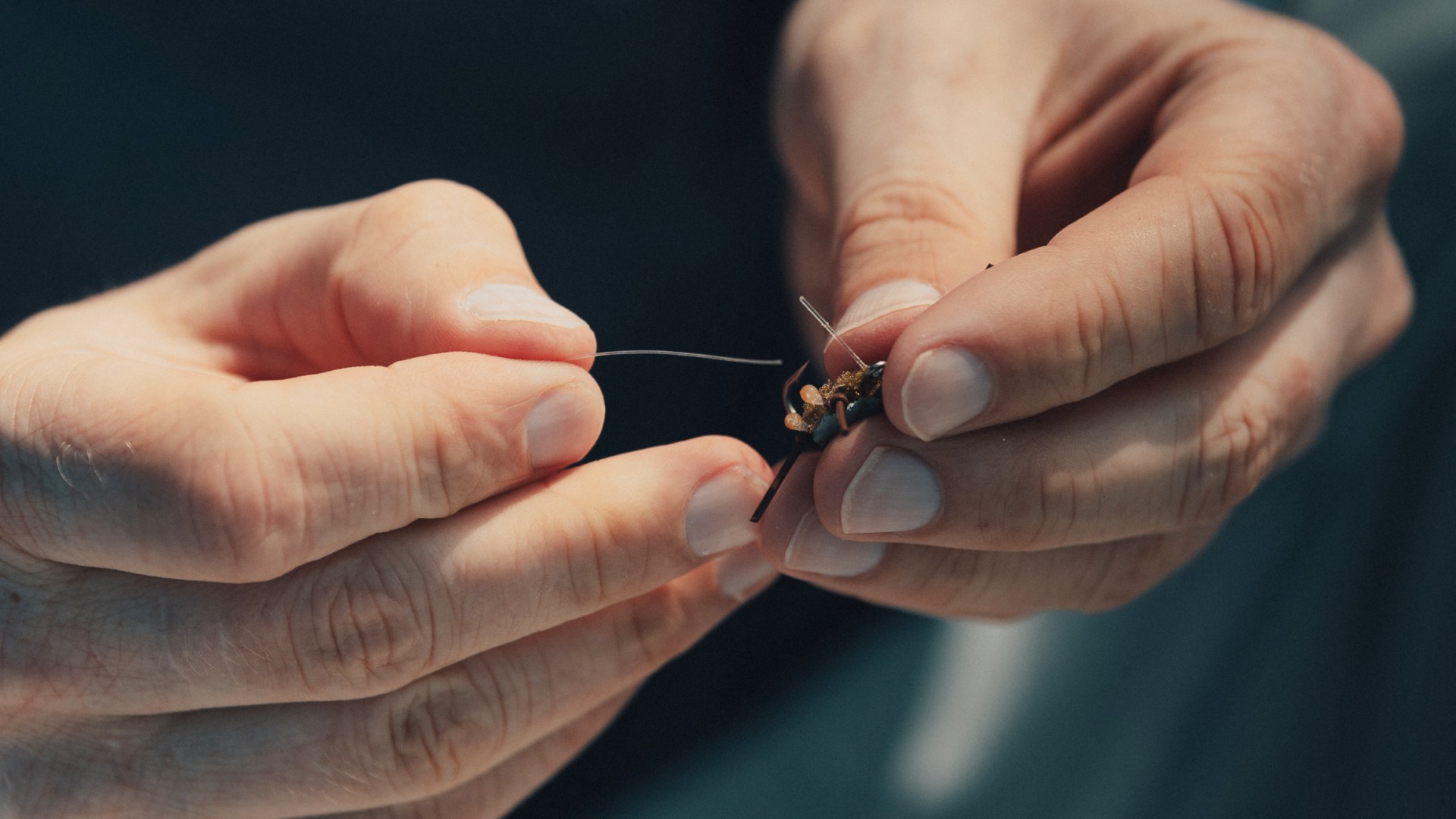
The body is chunky McFly Foam or wool, round from above. The knotted square rubber legs splay out like a crab bracing itself. When the fly hits bottom those legs settle, and the whole thing just sits there looking like something that lives there.
The sink rate matters too. If your fly is still falling when the fish has already passed, you’ve missed your shot. The Bauer Crab gets down fast and stays in the feeding zone.
I’ve watched fish charge it from 10 feet away when it wasn’t moving at all.
Colors and sizes
Match the bottom.
Tan or brown for sand flats and coral. Greenish brown or olive, especially with grey legs, for turtle grass and darker mixed bottoms.
Size 4 is the all-around choice. Works in deeper water, windy conditions, bigger fish. Size 6 for skinny water or when fish are spooky and the conditions are calm.
Weight matters as much as size. Tie or buy them in two versions: dumbbell eyes for wind and depth, bead chain for shallow flats. Heavy flies splash too hard in skinny water. Light flies don’t reach bottom fast enough when fish are moving in a bit of depth. Carry both and choose based on the flat you’re fishing.
Bring at least six to eight flies. Mix of tan, brown and olive/green, sizes 4 and 6, heavy and light.
How to fish it
When you cast at a tailing permit, try to land the fly as close to its head as possible without spooking it. If the fish is cruising, lead it by three to five feet depending on water depth. Let it sink. Don’t start stripping as soon as the fly lands. Keep tension on the line, and let the legs settle.
If the fish sees it and starts moving toward it, hold still. Maybe one tiny twitch to show it’s alive, then stop. Permit will cruise over, inspect it, and either eat or move on.
The most common thing I see go wrong: people move the fly the moment something feels uncertain. Don’t. A crab doesn’t sprint away. It sits on the bottom and barely moves. Let the fish decide.
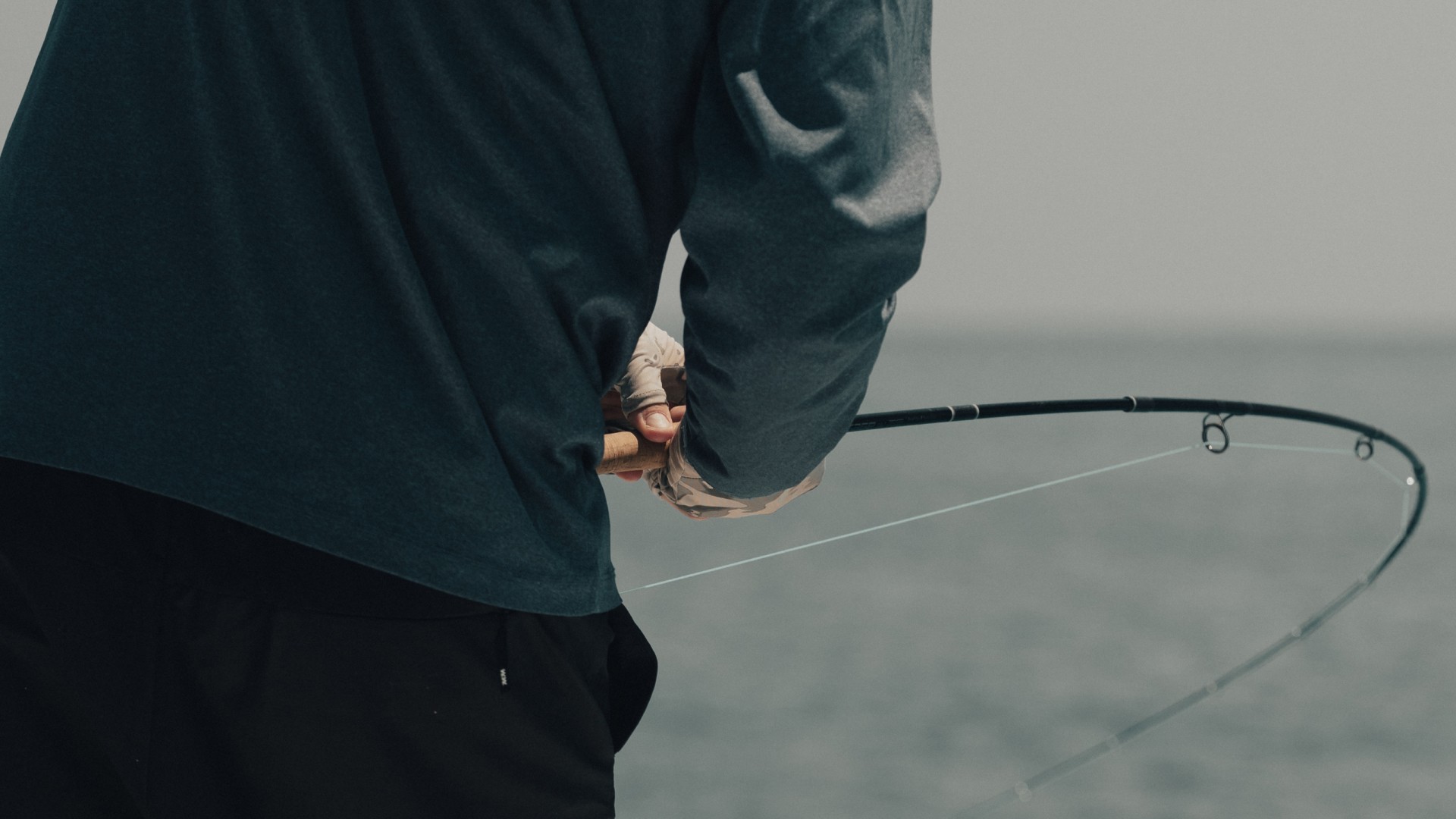
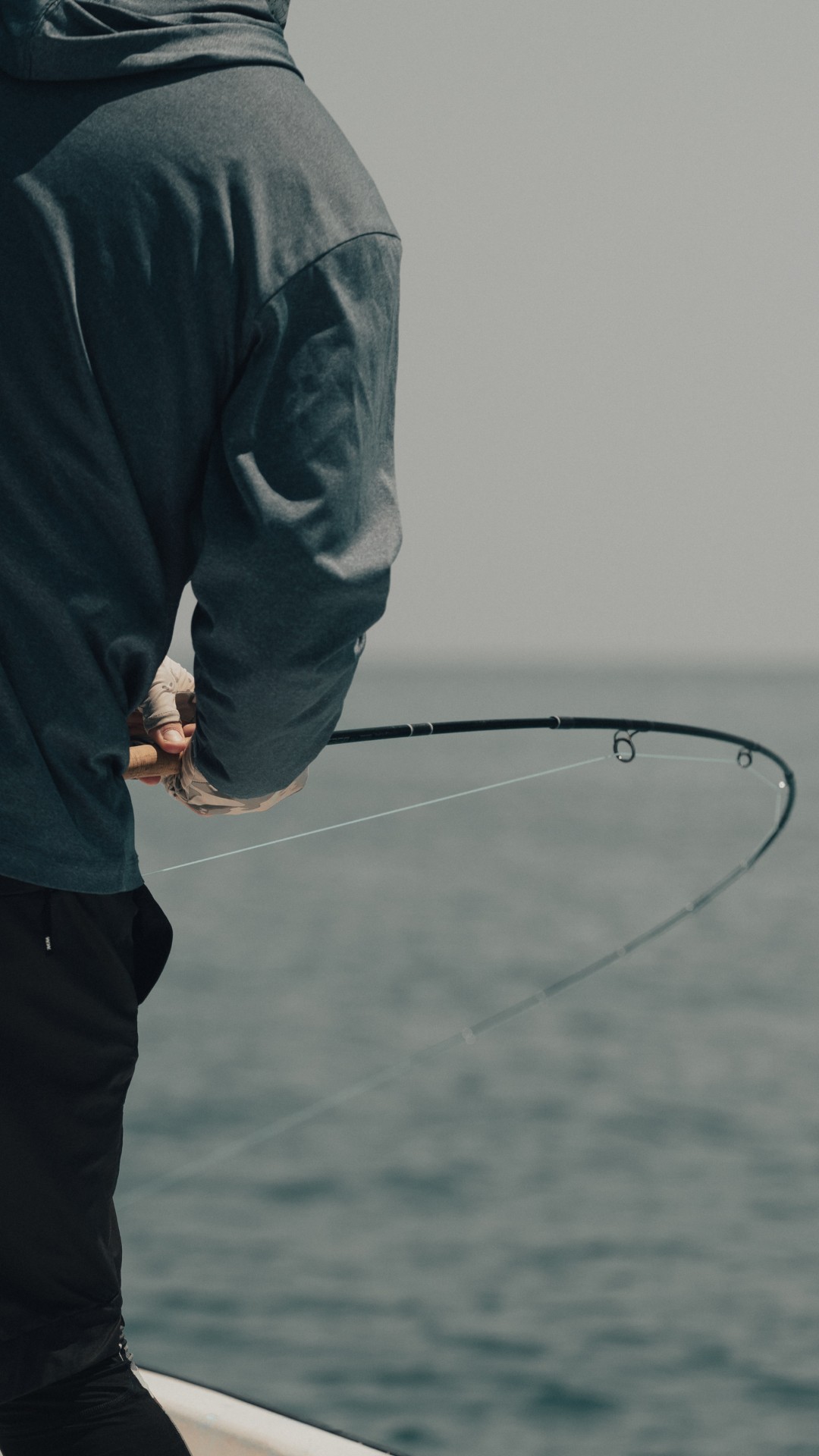
When it eats, strip-set hard. Don’t trout set. Rod tip stays low. Once you feel solid resistance, lift the rod and hold on.
For a full breakdown on presenting to permit, see the permit guide.
A few questions about the Bauer Crab
What hook should I use?
Strong saltwater hooks. Gamakatsu SL12S or TMC 811S in sizes 4 and 6. Don’t use cheap ones that bend under pressure.
Will it work for bonefish?
Bonefish will eat them, especially bigger bones on deeper flats. Not my first choice for bones though. Too heavy for most bonefish situations.
McFly Foam or wool body?
McFly Foam sinks faster. Wool looks a bit softer and more natural in the water but takes longer to get down. I use McFly Foam for most situations on these flats.
Can I tie my own Bauer Crabs?
Yes. Materials are simple. Check Will Bauer’s original fly-tying video here;
If you’re heading to Belize, this fly needs to be in your box. The gear checklist covers exactly what to bring based on the time of year you’re coming.

I run half day, full day and multi-day fly fishing trips from Placencia, Hopkins or nearby islands. Target species are mainly permit, tarpon, and bonefish.
What happens next?
I'll respond within 24 hours
We'll discuss your dates, preferences, and any questions
Payment is due at the end of your trip

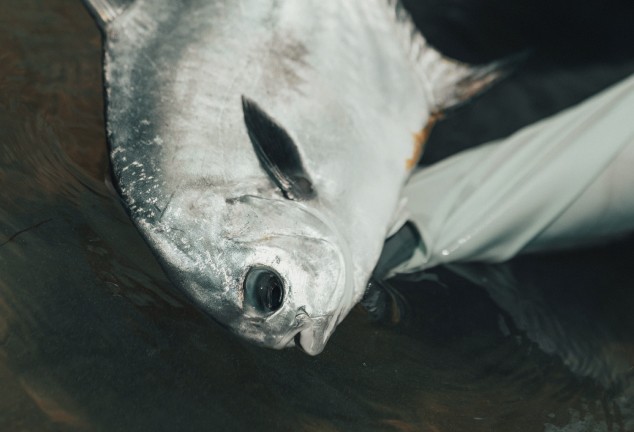
Multiple shots guaranteed — 400+ permit landed —

