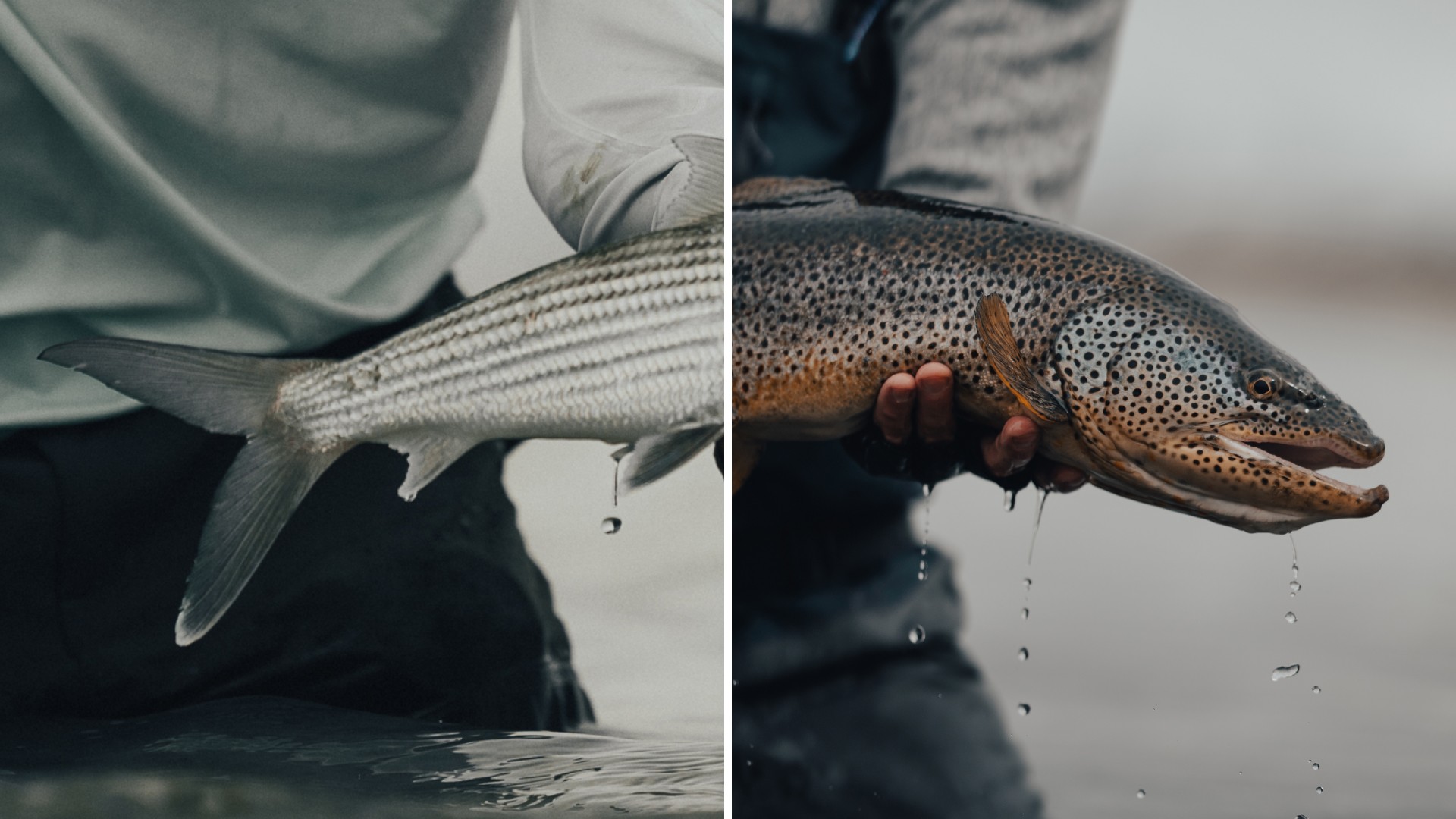
Planning & DIY
Saltwater fly fishing for trout anglers: What’s actually different
Trout anglers coming to the saltwater flats of Belize need accurate casts to 50 or 70 feet. Most shots come at 40 to 60, but cruising and spooky fish demand the extra range.
If you buy one rod for a Placencia trip, a 9-weight covers permit, bonefish, and smaller tarpon. An 8-weight is the minimum I recommend for bonefish.
A saltwater reel for Belize needs a proper drag system and a large arbor holding 200 to 300 yards of backing.
Permit, bonefish, and tarpon are hooked with a low strip-set, never a trout-style rod lift. A rod lift pulls the fly straight out of their mouth.
A realistic first saltwater trip out of Placencia: multiple bonefish landed, shots at tailing permit, and maybe a few juvenile tarpon jumped.
You can cast 50 feet on the river. You’ve landed dozens of trout. You think you’re ready for the flats.
You’re not. But you’re closer than you think.
The skills transfer. The casting fundamentals are the same. But the rhythm, the hookset, the gear, and the way you read water are all different. If you know what to expect and what to practice, your first saltwater trip goes from frustrating to productive.
Why flats fishing moves faster than trout fishing
Trout fishing rewards patience. You work a run, make twenty casts, adjust your drift, wait for the hatch. On the flats, everything happens in seconds.
Permit for example, feed in every direction. You’ll need to adjust the cast while you’re casting and avoid too many false casts or you’ll spook them. Tarpon move constantly. You cast in front of them and lead with the tippet, not the fly line. The ability to constantly move, adjust, and work is something a lot of my trout fishing guests aren’t used to.
The waiting game does transfer. In trout fishing, you wait for the water to warm up, for the hatch to start, for a rising fish to feed regularly. When we’re fishing for tarpon, permit, and bonefish, we usually never cast before finding a fish and checking their behavior to find the best tactic. That patience matters. But once the fish shows up, you have one shot, maybe two.
Accuracy is key, and trout anglers often have that. But you’ll need to deliver that accuracy at distance, in wind, while standing on a moving skiff. That’s what we’ll work on.
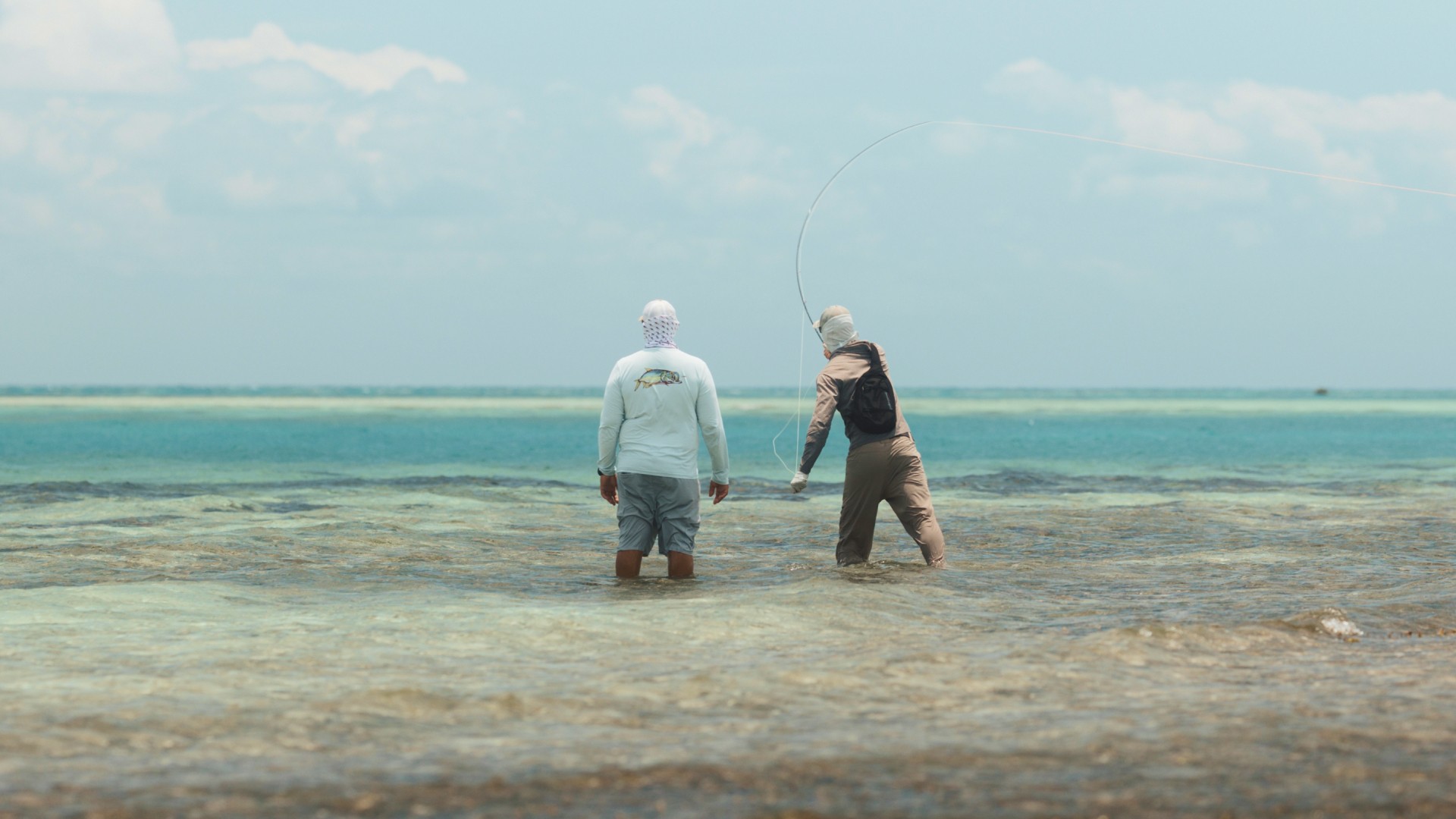
Casting distance for saltwater: 50-70 feet vs. 30-40 feet for trout
The distance reality
You should be able to cast accurately up to 50 or 70 feet. Most casts are done within 40 to 60 feet, but you need the extra range for cruising and spooky fish. If you can’t reach 60 feet with accuracy, you’ll miss shots.
Wind changes everything
You use heavier rods in saltwater than for trout fishing, so you get more leeway for casting through the wind. But you should always practice casting under sub-optimal conditions to get the most out of every shot.
A lot of people are scared of casting in the wind and hooking themselves (or me). I get it. But if you can’t shoot through the wind, your catch rate drops. The double haul isn’t optional if you want consistent shots. You can get by without it, but you’ll struggle with wind and length.
What trout anglers should practice before a saltwater trip
Casting. Length and accuracy.
The most common mistakes I see on day one: too many false casts, not enough range or too little accuracy, can’t shoot through the wind, splashing the fly too hard in the water. If you have a park or field near you, practice distance. Work up to 60 feet, then 70. Practice accuracy at that distance. Practice quick presentations. You won’t get multiple chances on most fish.
Most people get more tuned in after a day or so. They’re much less shaky after casting at the first few big tailing permit. But if you show up able to cast 60 feet accurately in wind, day one could end up very productive instead of just a learning experience.
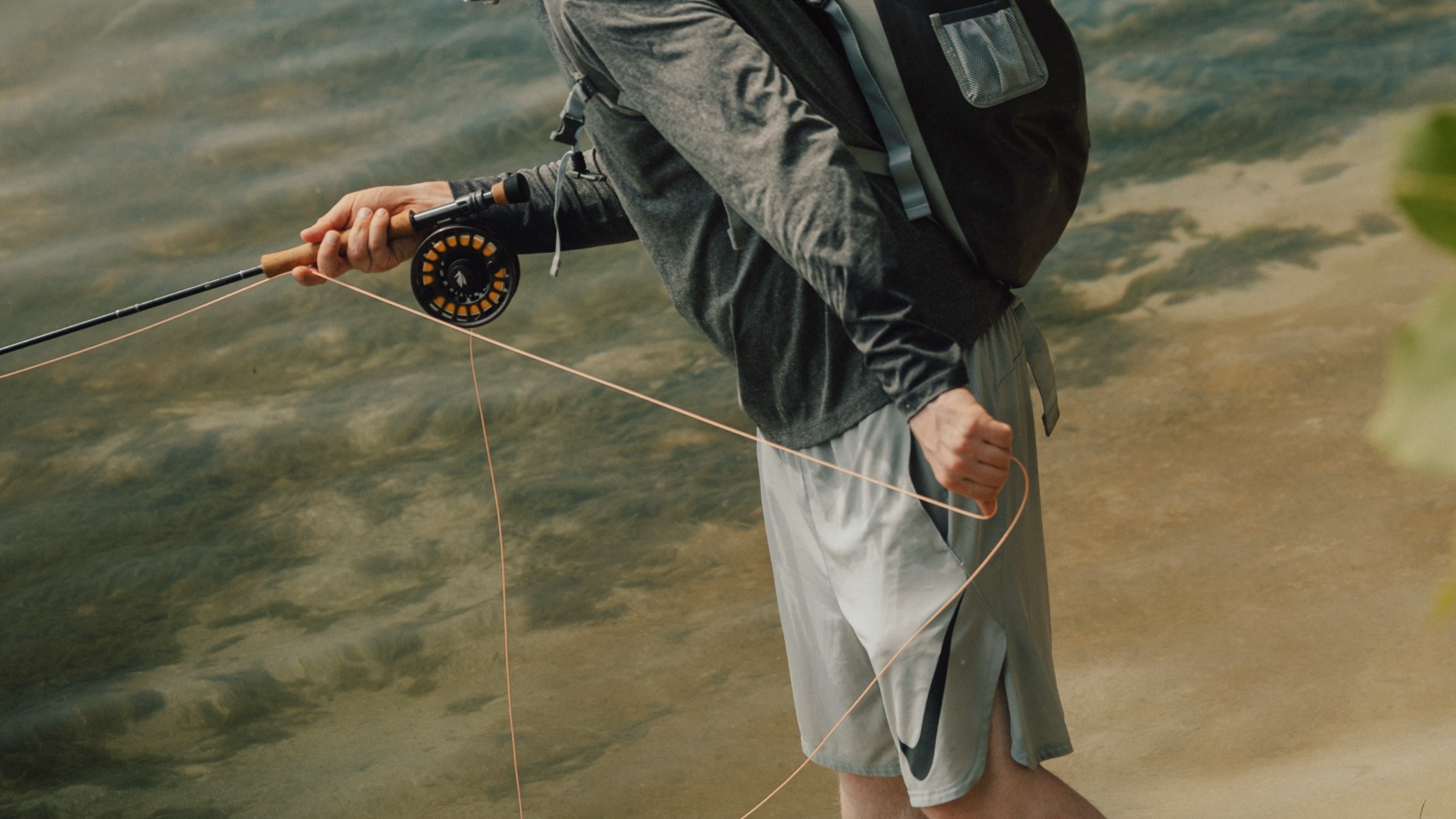
Strip-setting vs. trout-setting
This is the single biggest mechanical issue trout anglers face on the flats. Strip-setting vs trout-setting.
When a trout eats your fly and turns, you lift the rod. That rips the fly up into their lips or jaw. It works because of how trout eat and where they’re positioned in the current.
Permit and bonefish eat differently. They suck the fly in, crush it in their rock-hard palate, and keep moving in the same direction. If you lift the rod, you pull the fly straight out of their mouth. You need a low, direct strip-set to drag the hook into their lips.
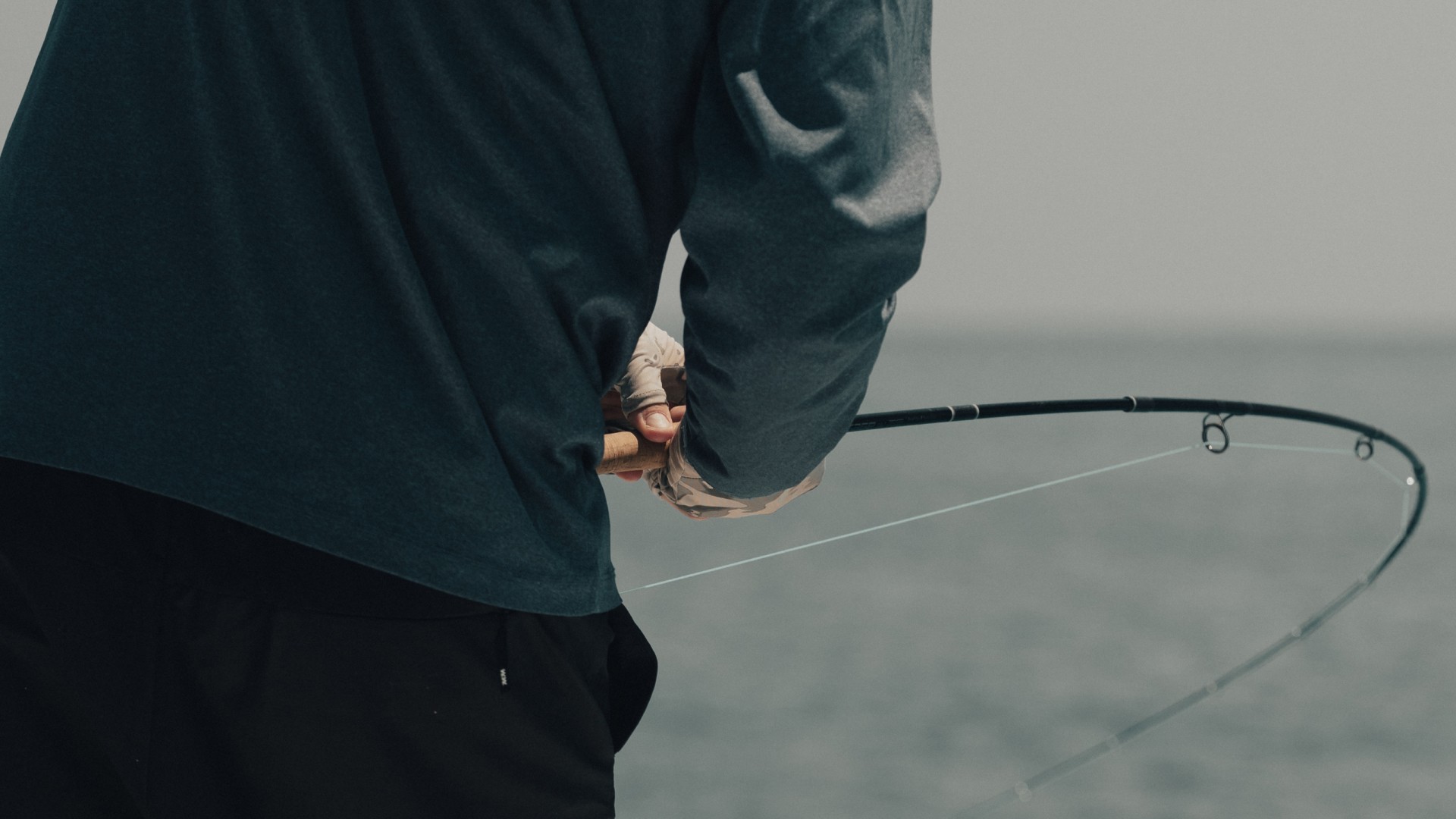
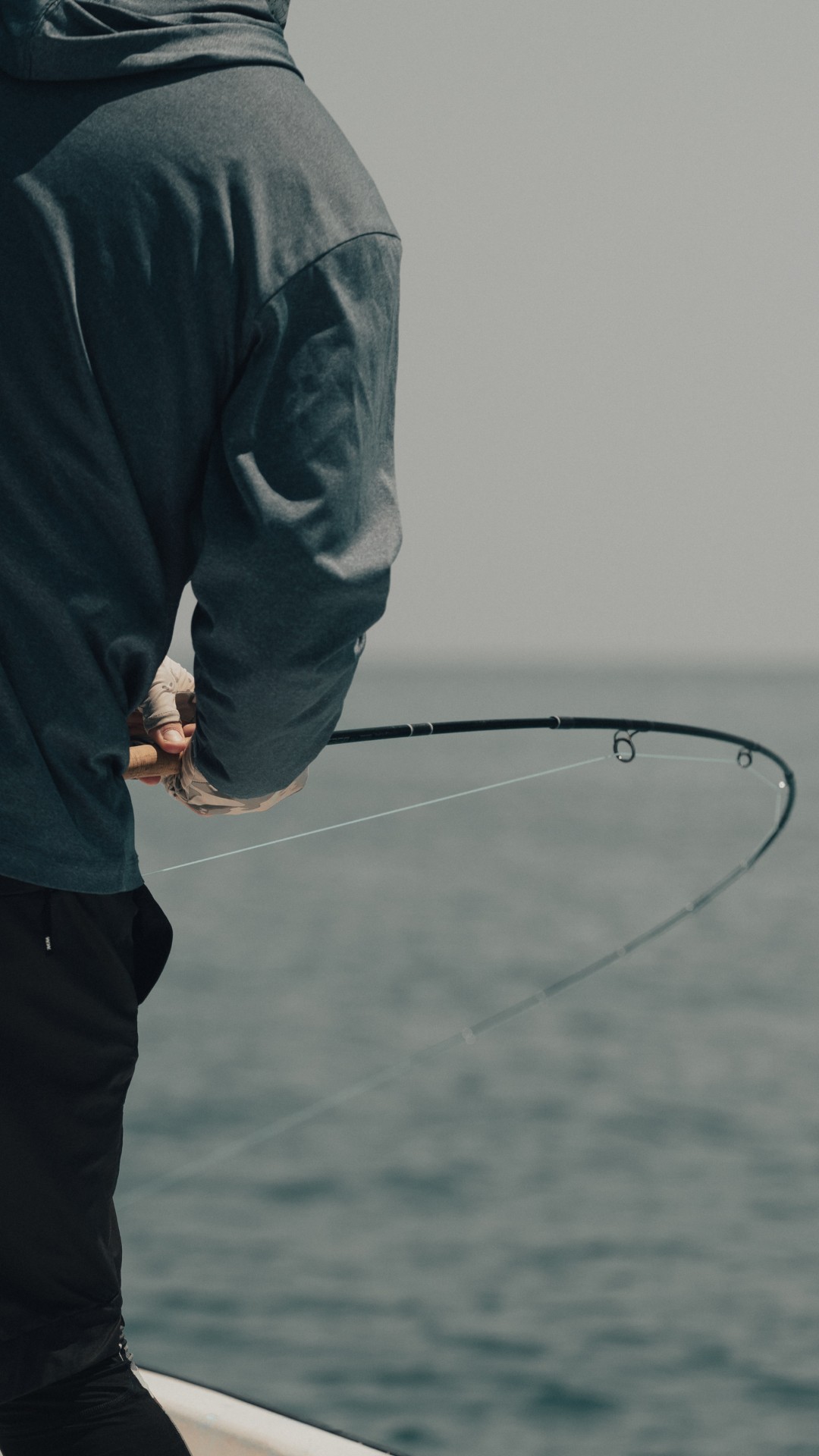
Tarpon are even tougher. They have super hard, bony mouths and cartilage-filled lips. You don’t get enough pressure or tension with a rod lift to penetrate that lip. After strip-setting a tarpon, you should give it a few extra hard, low, sideways tugs with the rod to really yank the hook in.
It’s tough for some people to break the habit when the muscle memory sets in. But after a missed fish or two, most people turn it around. Just keep reminding yourself about strip-setting when you’re working a fish.
Can you use trout gear for saltwater fly fishing?
Rods: 8-weight minimum for bonefish, 9-weight for permit
Your 5-weight or 6-weight trout rod won’t cut it. A 7-weight on calm days will work for bonefish, but I usually recommend an 8.
For permit, a 9-weight is ideal. You can push it to a 10 in windy conditions. The 9 also works for bonefish, even though it’s on the heavier side. You can use it for smaller juvenile and baby tarpon too.
If you’re buying one rod specifically for this trip, go with a 9-weight. It covers permit, bonefish, and smaller tarpon.
Reels with proper drag systems
Trout reels often just hold line. Especially the cheaper ones. Saltwater reels need a proper drag system. Something that can keep up with the muscle you’re hooking onto.
You need a large arbor reel that holds 200 to 300 yards of backing plus fly line. When a tarpon runs, the line clears the deck and hits the reel before you know it. If your drag fails or your reel can’t handle the run, you lose the fish.
Belize-specific fly patterns
Known fly patterns like Clouser Minnows and Deceivers are a good start, but you should go for Belize-specific flies. Bring what you need. Fly shops in Belize are very limited.
All the fly patterns and sinking grades you’ll need are listed on my gear checklist. Different species, different tides, different bottom types all require different flies. Come prepared.
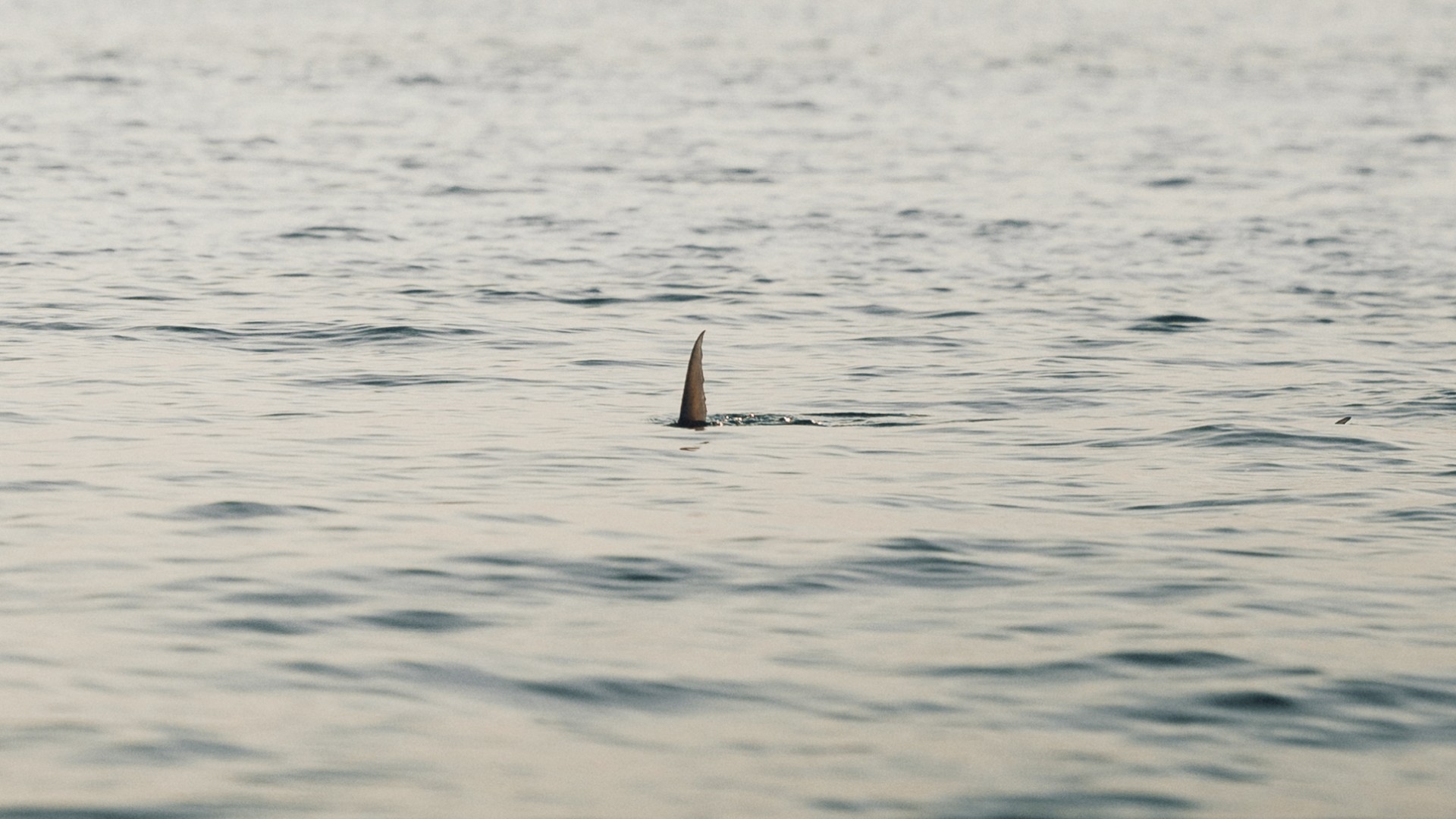
How to sight fish saltwater flats (vs. reading trout streams)
Trout anglers read structure. Seams, pockets, runs, undercut banks. That skill transfers, but it reads differently on the flats.
It’s important to read the water, but the surface tells you less. You’re looking through the water at the bottom. Seeing nervous water, plowing, and tailing helps a ton. But the real skill is spotting the fish itself.
Look for shadows and small flashes. Try to look for something that’s different from everything else. The fish might be a faint shadow on sand, a darker shape over turtle grass, or just a shimmer when it moves.
The hardest part is keeping track of the fish when it’s moving or spotting it when it’s not tailing. If you’re approaching a school of bones or permit, it’s not easy seeing where the edge of the school is. That can lead to you casting over one of the closer fish and spooking the whole school.
Try looking through the surface and focusing on shadows on the sea floor. A lot of visitors don’t have the ability to train on this before coming down, but I’m here to help you spot the fish and guide you in.
What big runs feel like (and how to manage your line)
Managing the first run
Make sure there are no knots in your line. Make sure the line is stretched and not curled up. Make sure it’s not around your toe or caught on other gear.
When the fish starts running, feed the line through your palm. Don’t squeeze it or try to hold back. Let the fish run, but don’t let go of the line. You want to control it with your hand.
If the fish stops running before the line hits the reel, you still have the ability to start pulling in line again. When it hits the reel, don’t adjust the drag and don’t try to force the fish. Let it run. When it stops, you start reeling. Repeat.
The most common mistake: rushing to reel in the slack before the fish has actually dragged it out. You lose tension on the fish and it can fall off.
Saltwater speeds vs. trout fights
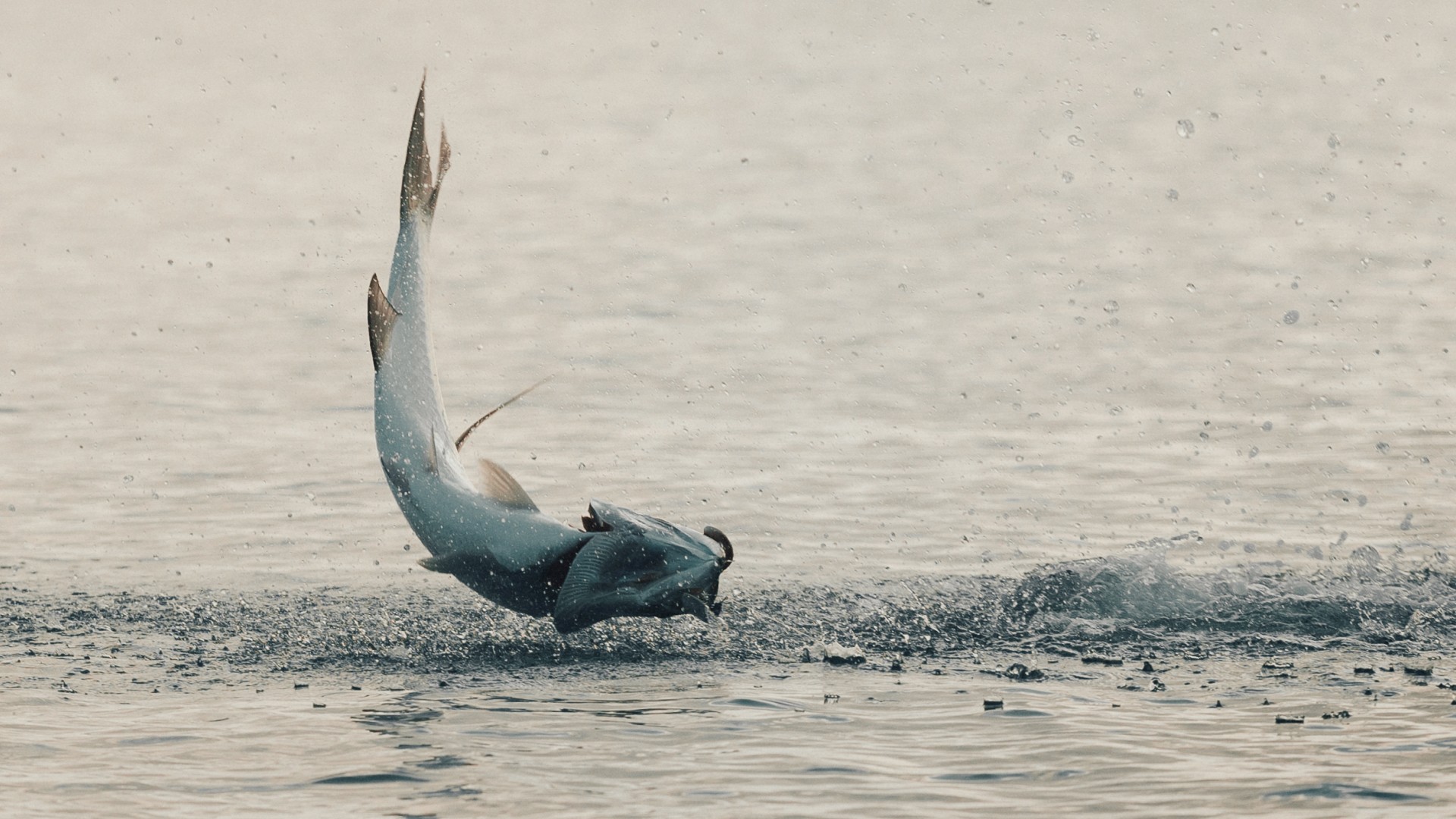
These fish are different from any trout or steelhead you’ve fought. Their speed is second to none.
Permit are even tougher. They have power, and if they head down for the corals, it could be the end. Keeping a very high rod tip is essential to try keeping the fish in the top column of the water.
The fights are longer than you’re used to. Stay calm. Let the fish run. Don’t rush it.
What your saltwater guide needs from you
Keep the fish in sight
Keep the fish in sight. Do not look at me or behind you at your back cast. Be locked in on the fish and where it’s moving. It’s easy losing track of it, which can cost you your shot.
I’ll call out when I see a fish, but we don’t approach or cast at it before you see it. When you do, we’ll move closer. When you think you can reach it with good accuracy, you cast, and I’ll always help you dial it in to get the best possible chance of hooking up.
Communication on the skiff
Different guests need different levels of help. Some need help casting, some need help with how to move the fly, some need help spotting. Whatever it is, I’m here to help.
But I need you locked in on the fish. If you see it, tell me. If you lose sight of it, tell me. We’re a team on the skiff, and the more we’re on the same page, the better your shots get.
First saltwater trip expectations: bonefish yes, permit maybe
Day one goals for trout anglers
No matter which species you come for, I’ll often give you multiple shots on any given day. Some days are slower, but the fishery outside Placencia is so good we almost always get what we want. If one species is completely turned off, we’ll still get shots at something else. We adapt and adjust, always.
A realistic first trip: land multiple bonefish, get some shots at tailing permit, and maybe jump and possibly land a few juvenile tarpon.
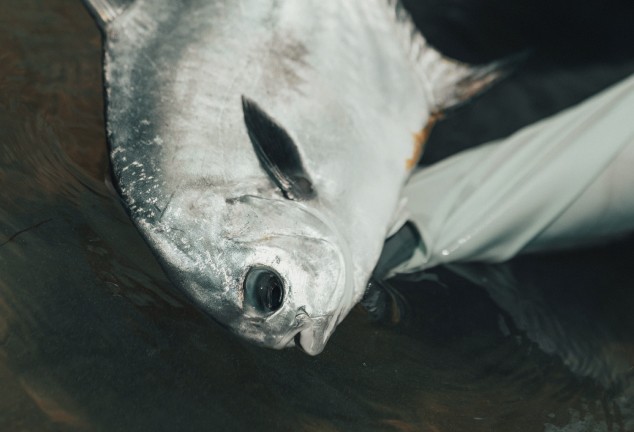
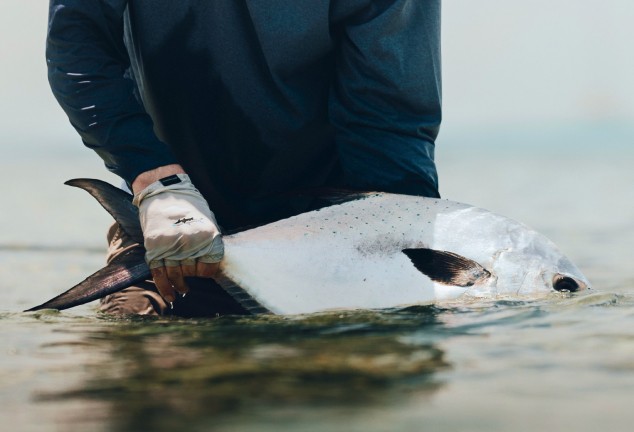
You should never expect to hook a permit. It’s elusive for a reason. I’ve seen beginners catch them on their first saltwater experience, and I’ve seen experienced anglers have hundreds of shots without hooking up. Anything can happen.
Multiple shots at permit vs. one-and-done
As long as you don’t overshoot, you usually get more than one shot on a feeding permit and bonefish. They’re both spooky, and you should try to put the fly in front of their face. But if the bonefish is in a school and they spook, leave the fly and keep still. They’ll often regroup in the same area a few seconds after. That’s when you start stripping in the line.
Permit are different. If they spook, they’re gone. If you cast too far from their face, they won’t see it. But if the permit is nose-down, focused, and working the corals, you should be able to get a few shots in.
Read the fish, adjust, cast, work the fly. It’s not twenty casts to the same rising trout. But it’s not always one-and-done either.
If you’re coming down
If you’re a trout angler thinking about your first saltwater trip, here’s what it costs to fish with me in Placencia. Not sure when to come? Here’s the seasonal breakdown.

I run half day, full day and multi-day fly fishing trips from Placencia, Hopkins or nearby islands. Target species are mainly permit, tarpon, and bonefish.
What happens next?
I'll respond within 24 hours
We'll discuss your dates, preferences, and any questions
Payment is due at the end of your trip

Multiple shots guaranteed — 400+ permit landed —

