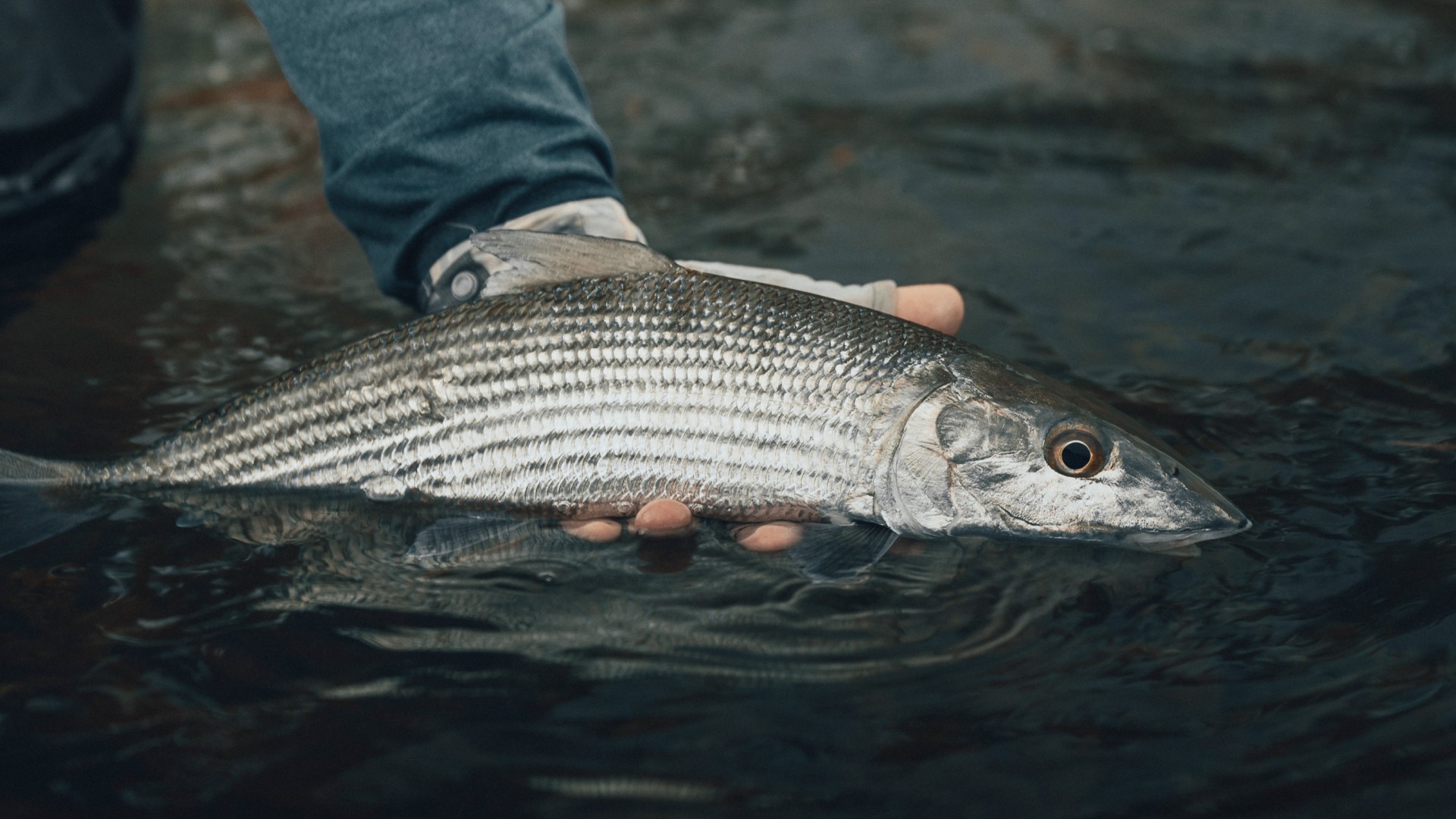
Species
Bonefishing in Belize
Bonefishing in Belize is good year-round, with no real prime season. September is underrated, with the flats mostly to yourself.
Belize runs about 180 miles of coastline, all of it behind the Belize Barrier Reef, which creates the shallow flats between the reef and the mainland.
The biggest bonefish I’ve seen landed out of Placencia weighed seven pounds.
An 8-weight rod is my pick for bonefish in Belize, with a saltwater reel holding 150 to 200 yards of backing and a 9-foot leader tapered to 10 or 12-pound fluorocarbon.
My go-to bonefish flies for Belize are Bonefish Bitters, Gotchas, and Crazy Charlies in sizes 4 and 6, all tied with weed guards.
Bonefishing in Belize is year-round, and southern Belize holds bigger average fish than the northern cayes. The flats outside Placencia and Dangriga hold bonefish twelve months a year, on sandy flats, turtle grass beds, and the drop-offs near deeper channels. Most fish run two to four pounds, and the better ones push six.
Here’s everything you need to know about bonefishing in Belize.
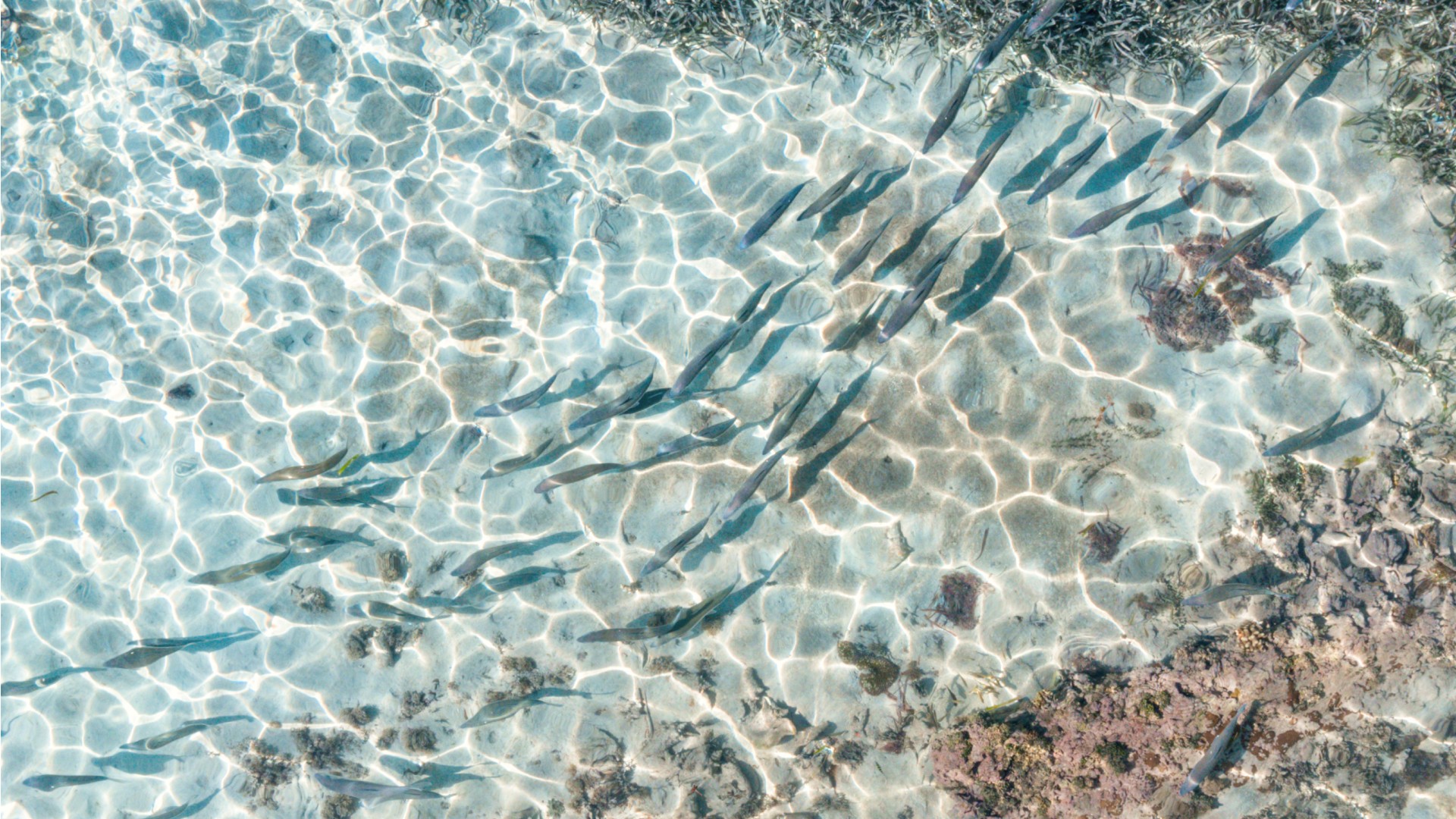
Where to fish for bonefish in Belize
Belize runs about 180 miles of coastline from the Mexican border down to Guatemala. The entire coast is protected by the Belize Barrier Reef, which creates massive expanses of shallow flats between the reef and the mainland.
Southern Belize, the area outside Placencia and Hopkins, offers some of the most productive bonefishing in the country. This area is less crowded than the northern cayes, and you’ll get cleaner shots at fish and more water to yourself.
Northern Belize, especially around San Pedro and Ambergris Caye, has excellent bonefishing as well. More lodges operate up there though, which means more boats on the water. These fish see more flies during the year, but they’re still catchable, just a bit more educated.
Worth knowing: the reef flats and the inshore flats fish differently. Reef flats tend to be deeper with harder bottoms. Fish cruise in small groups and move fast. Inshore flats closer to the mangroves have more turtle grass and sandy patches. Fish stay, and tail more frequently in the shallows. The inshore flats around Placencia are what I fish most.
The flats outside Placencia and Dangriga hold bonefish year-round. We usually find them on sandy flats, cruising turtle grass beds, and working the drop-offs near deeper channels.
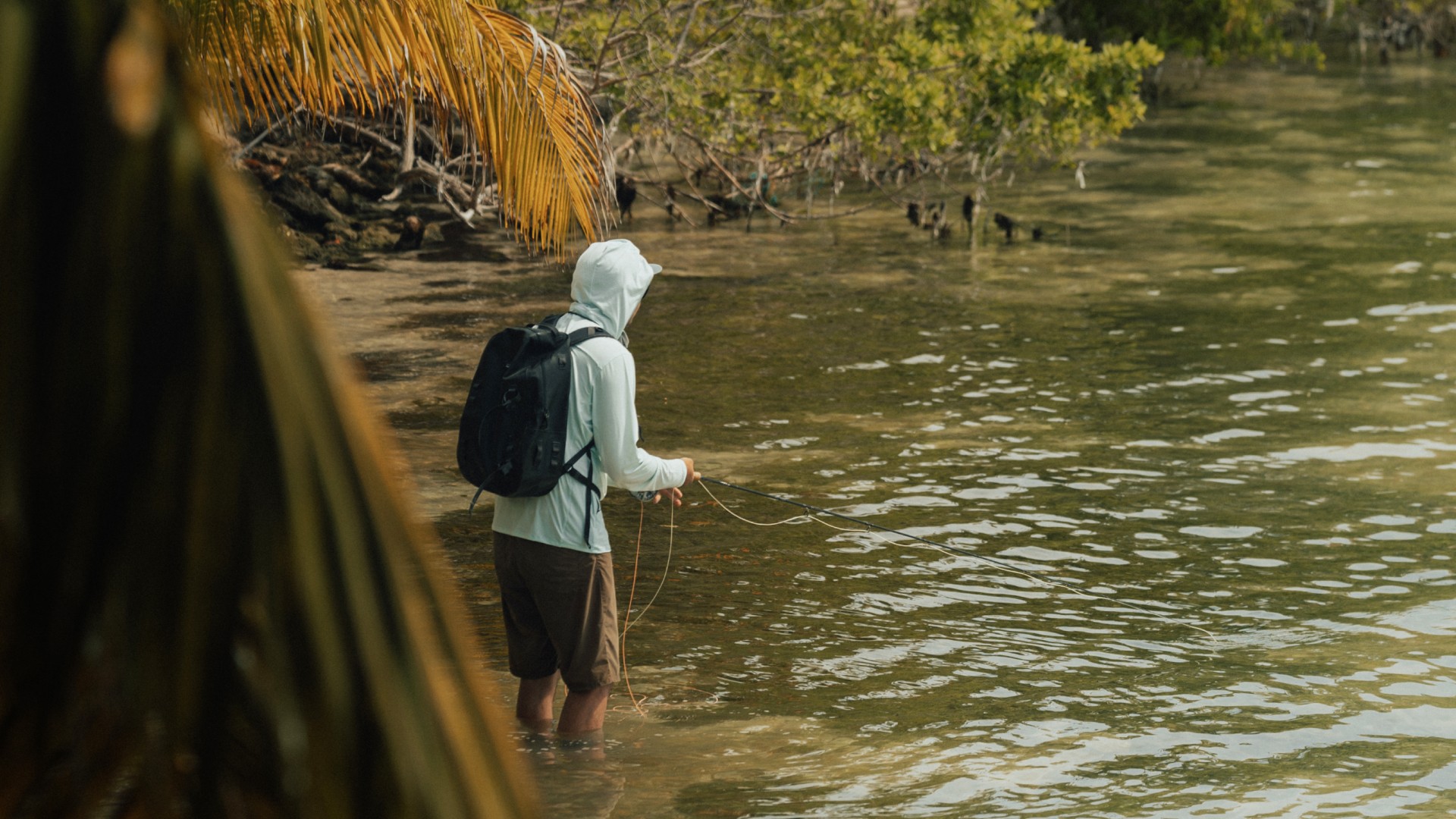
Best time of year
There is no real bonefish-offseason in Belize. Water temperature stays comfortable all year and the fish stay active.
From April through October the water is warm, the fish are aggressive, and you’ll see plenty of tailing activity on high tides.
November through March fishes well too, with one variable. Cold fronts push through from the north between December and February. When a front hits, winds pick up and water temperatures drop a few degrees. Fish slow down for a day or two, then return to normal.
September is the peak of hurricane season on paper, but it’s underrated. The weather is usually good, maybe some showers, and you’ll have the flats mostly to yourself. Stay flexible and it fishes well.
The fishing calendar breaks down what each month looks like. Weather, species activity, what to expect.
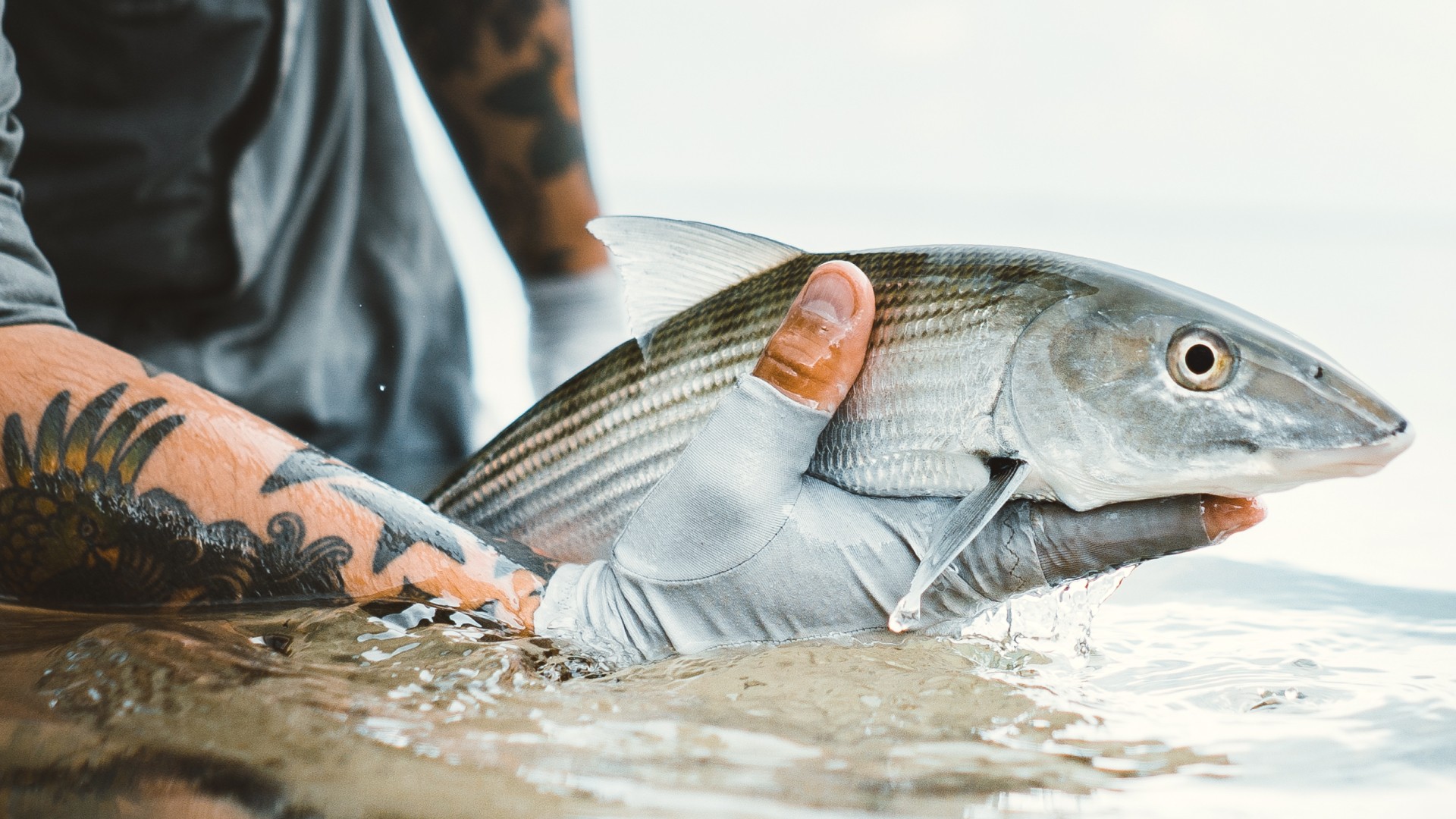
How big are bonefish in Belize
Average bonefish in Belize run between two and four pounds. Schools of smaller fish are common on the flats, especially in shallow water close to the mangroves. These fish are aggressive and great for beginners learning to sight-fish in the tropics.
Bigger bonefish, approx four to six pounds, cruise in smaller groups or solo. They stick to deeper edges and move more deliberately. A six-pound bonefish in Belize is a solid fish. Anything over that is exceptional.
Southern Belize holds bigger average fish than the northern cayes. We still catch plenty of smaller bones, but your chances of hooking into a five or six-pounder improve around Placencia.
The biggest bonefish I’ve personally seen landed out of Placencia was seven pounds.
How to catch them
Sight fishing is most common. Spot it, then cast at it. Blind casting works occasionally, and in specific areas, but if you want consistent success you need to see what you’re targeting.
From the boat
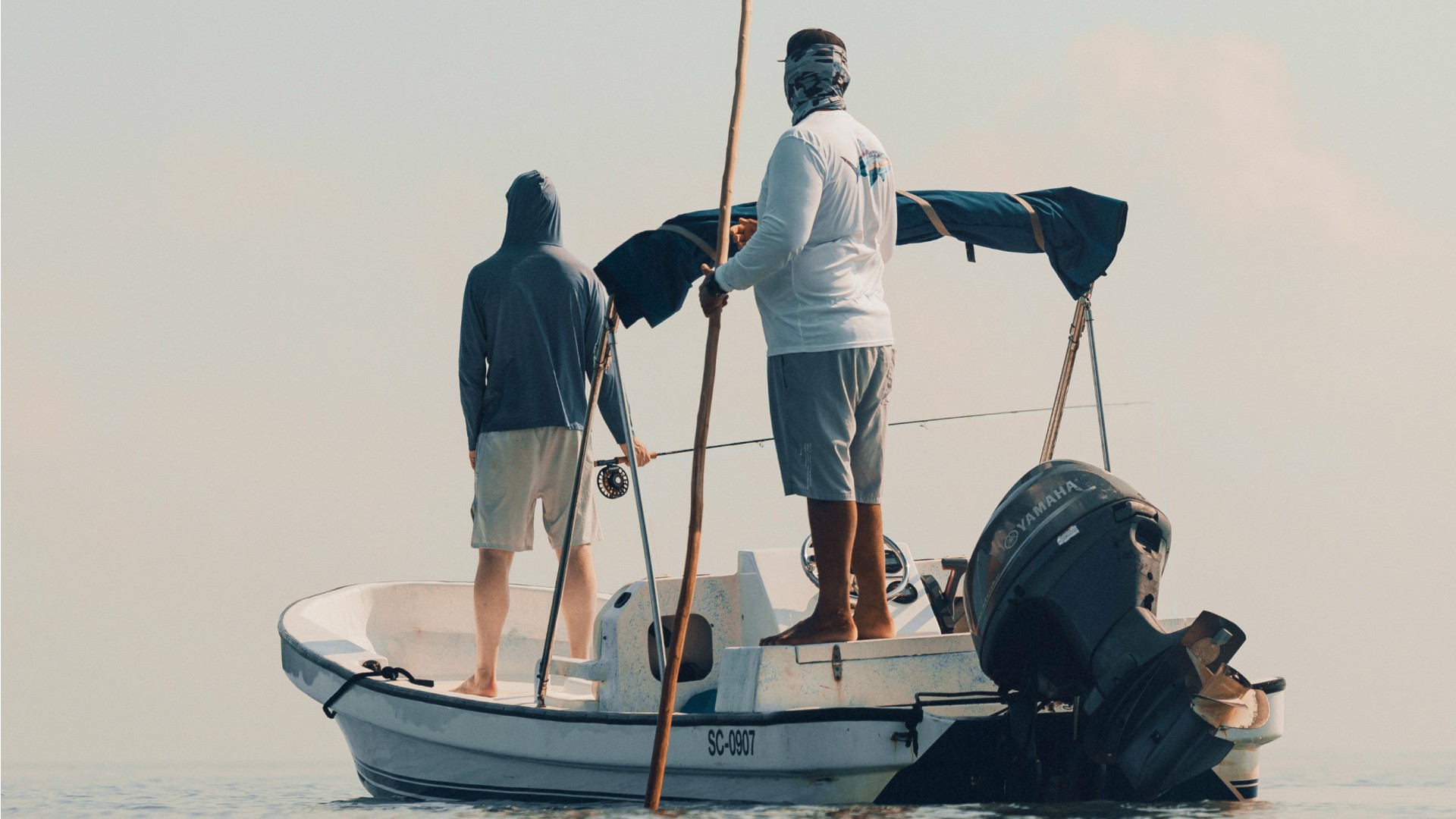
Fishing from a skiff makes you see farther, spot fish earlier, and cover more water in a day. The guide poles the boat across the flats and calls out fish as they appear.
When the guide spots a bonefish, he’ll give you a clock position and distance. Eleven o’clock, forty feet. You make the cast, land the fly well ahead of the fish, and strip when the fish gets close. If the fish moves on the fly, you strip-set. No trout set.
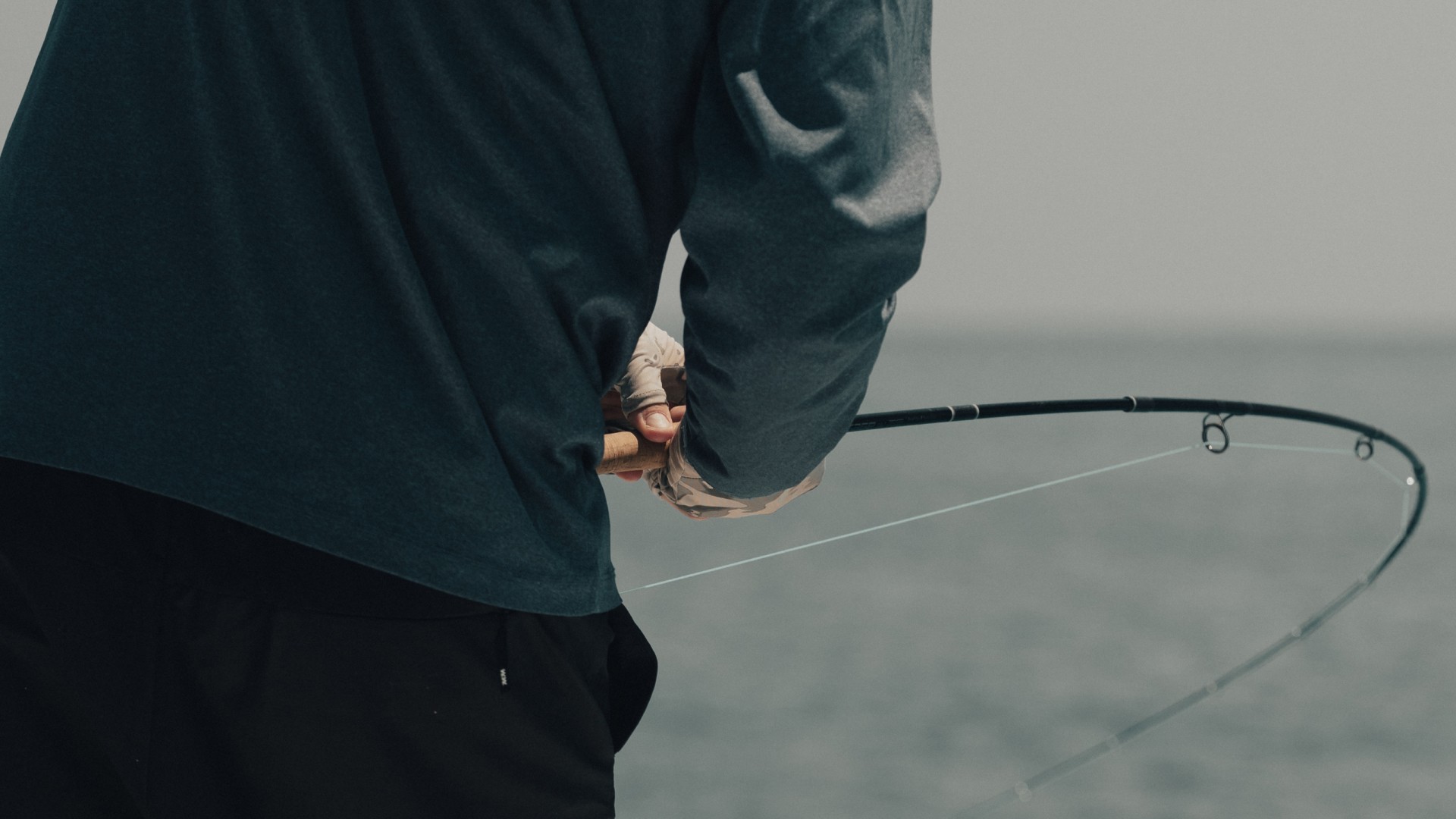
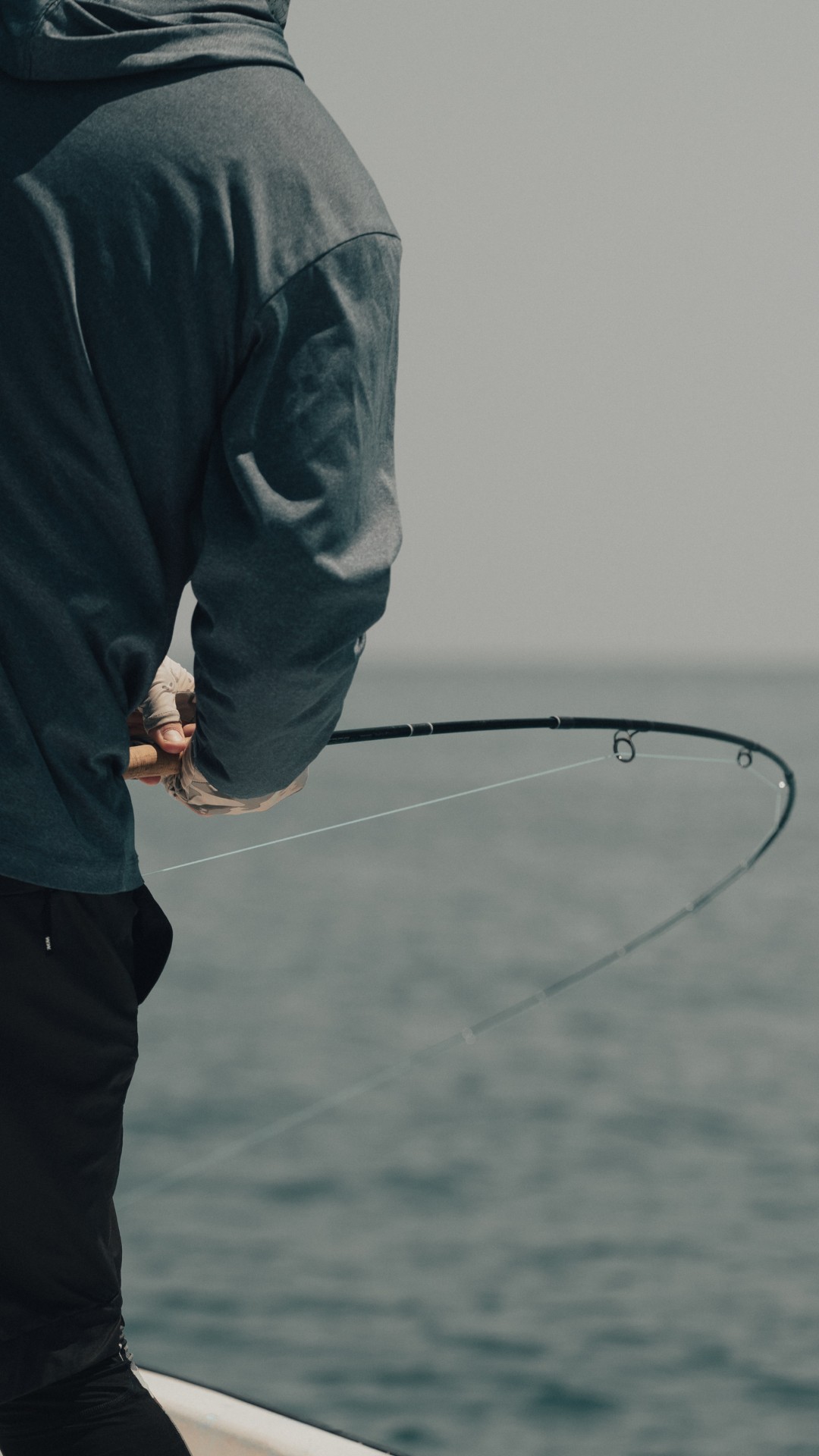
Once the fish is hooked, let it run. Bonefish take off fast and they usually don’t stop until the backing is showing. Keep the rod tip up, maintain tension, and let the reel do the work. Most fish are landed within a few minutes.
Wading the flats
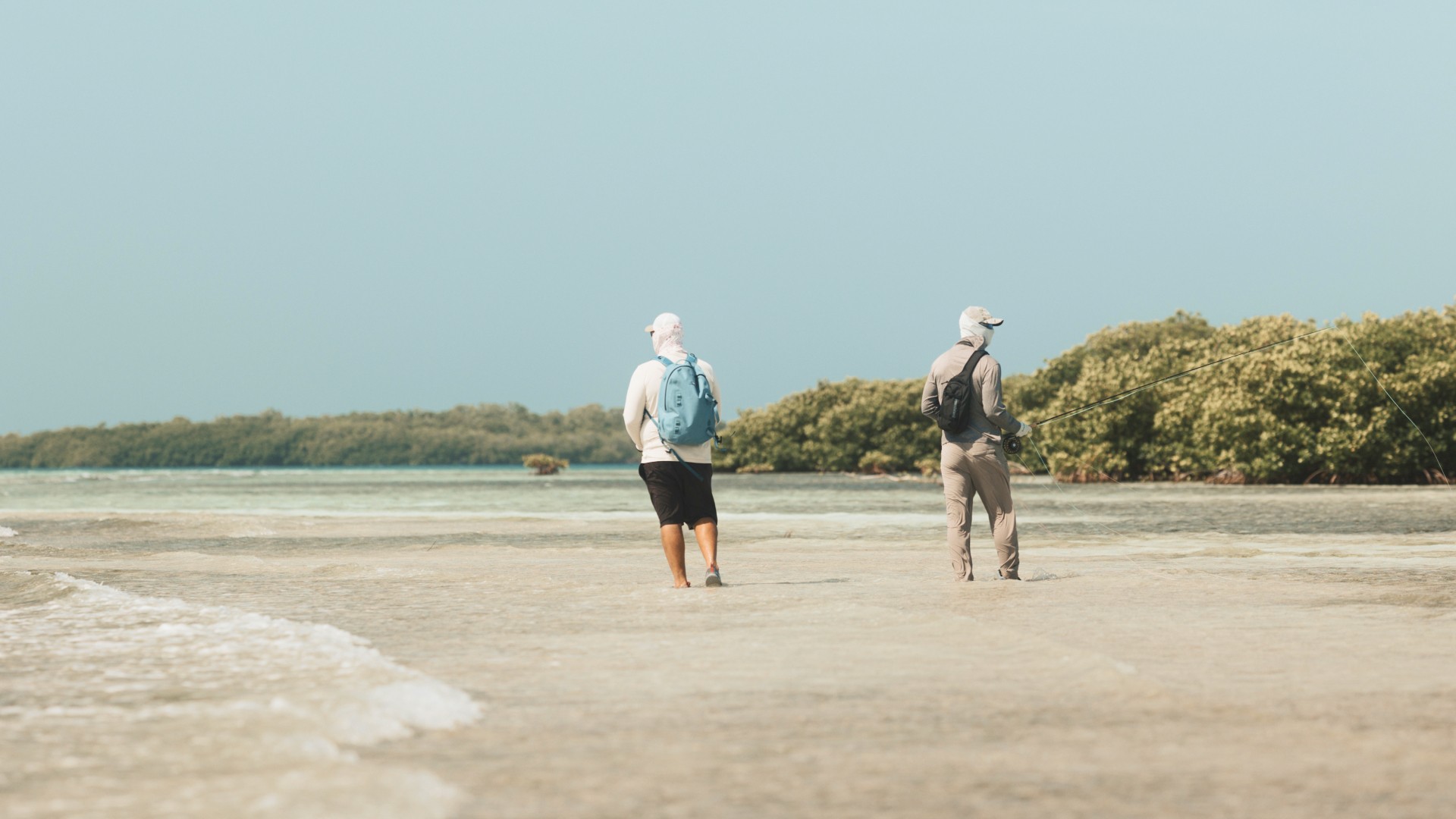
Wading can be harder than fishing from the boat, but some prefer it. You lose the elevation advantage, so spotting fish becomes more difficult. You also have to move slowly to avoid spooking anything nearby.
Good wading happens on firm sand or hard turtle grass bottoms. I recommend avoiding soft mud. You sink, and you can’t move efficiently without making too much noise.
The approach is the same though. Spot the fish, lead it with your cast, strip when it gets close, set on the strip. The difference is you’re doing all of this while standing in knee-deep water with limited visibility.
Wading works best in southern Belize on very shallow and protected flats near the mangroves.
Reading the water
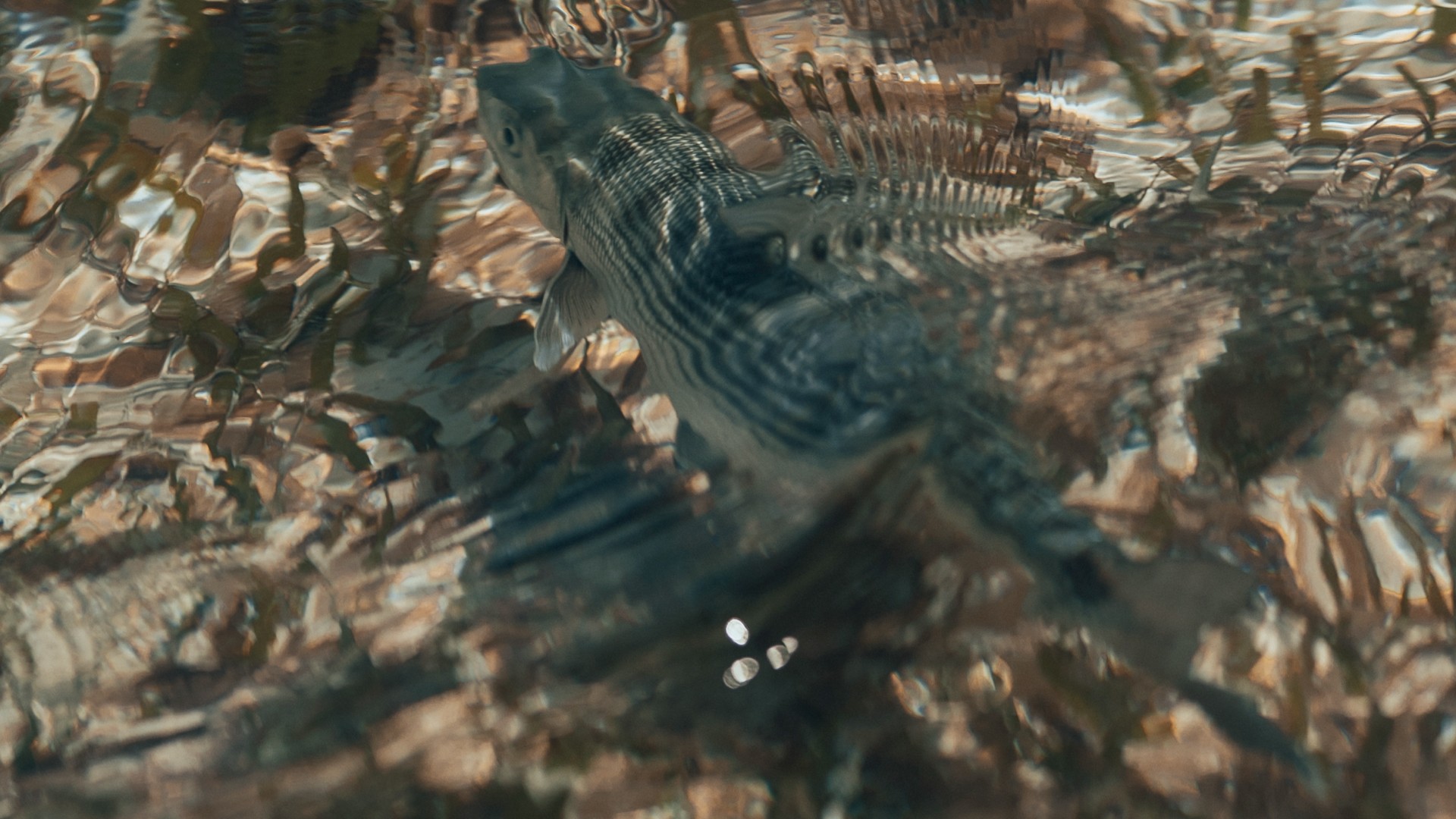
Bonefish show up in different ways depending on conditions. On a slick calm day with good sun, you’ll see their shadows on the bottom before you see the fish. In chop or low light, look for nervous water. Small ripples or a slight push on the surface usually means fish are moving below.
Tailing bonefish are the easiest to spot. The tail breaks the surface as the fish checks the sand or grass for small crabs and shrimp. Cast just ahead of a tailing fish and you’ll get a look almost every time.
Cruising fish are harder. They move steadily across the flat in a straight line. You need to lead them by several feet and time the retrieve so the fly intercepts their path. Too close and they spook. Too far and they never see it.
Mudding fish stir up clouds of silt as they dig for food. The mud gives away their location, but it also makes it hard for them to see your fly. Cast into the mud and strip slowly.
DIY bonefishing in Belize
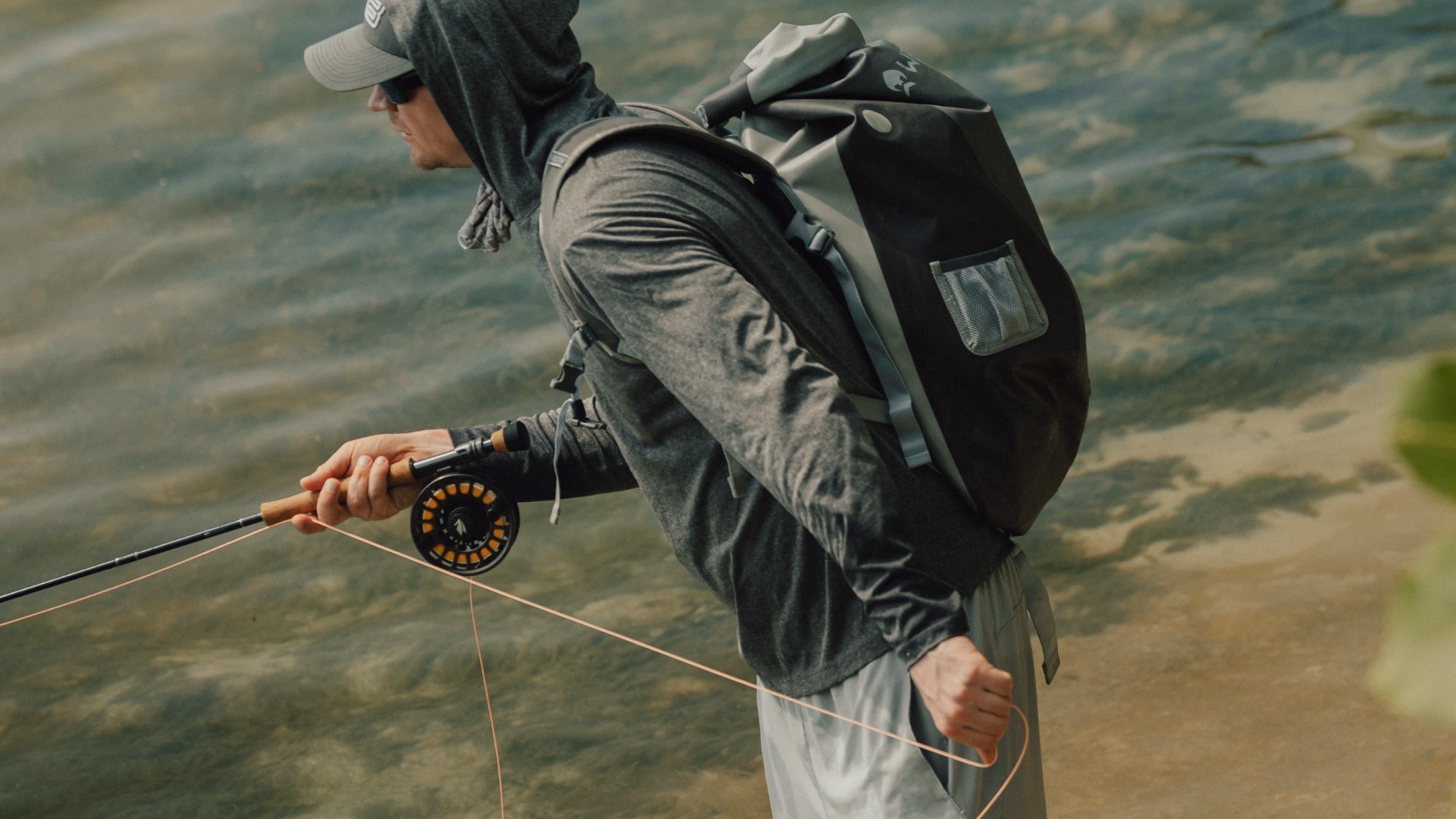
DIY bonefishing in Belize is possible but not easy. You can wade accessible shorelines in some areas, especially around San Pedro in the north. Finding fish without a guide takes a bit of time, local knowledge, and patience.
Most productive flats in southern Belize require a boat. The best water sits miles offshore or in areas you can’t reach without one, so trying to DIY in Belize usually means limiting yourself to a small fraction of available water.
If you’re still set on doing it yourself, focus on northern Belize where shore access is better, or some of the cayes by the barrier reef. Bring your own gear, check the tides, and study the area on Google maps. It’s totally doable though. Read my full breakdown of DIY-fishing in Belize.
For my money, hiring a guide makes more sense. A guide knows where fish are holding on any given tide, puts you in position to make good casts, and handles the boat so you can focus on fishing. You’ll catch more fish and learn more in a day with a guide than you will in a week on your own.
My bonefish fly go-to’s
You don’t need a huge fly selection for bonefish in Belize. A few proven patterns in the right sizes will cover most situations.
Bonefish Bitters: Love these! Olive or tan/brown, size 4. Bring both lighter ones for shallow flats, and slightly heavier ones for fishing deeper water.
Gotcha: Tan, pink, or white. Size 4 and size 6. Also one of the most reliable bonefish. Imitates a small shrimp and lands soft.
Crazy Charlie: Same colors, same sizes. Another shrimp pattern that works consistently. Tied sparse, it sinks slower than a Gotcha. Very useful in skinny water.
Christmas Island Special: Size 6. Good for very shallow water. Lands light and doesn’t spook fish as easily as heavier patterns.
Mantis Shrimp: Size 2 or size 4. Rubber legs create movement. Useful in low light or slightly off-color water when fish need extra visual stimulus.
Carry a mix of weighted (light and medium) and unweighted versions. Lighter flies for skinny water, heavier flies for deeper water or wind. Most days you’ll fish size 4 or size 6 patterns. Make sure all bonefish flies have a weed guard, and thank me later.
The gear checklist has a complete breakdown.
Gear you need
Rods and reels
An 8-weight is my pick for bonefishing in Belize. It handles the fish and casts into the wind. A 7-weight works on calm days with smaller bones.
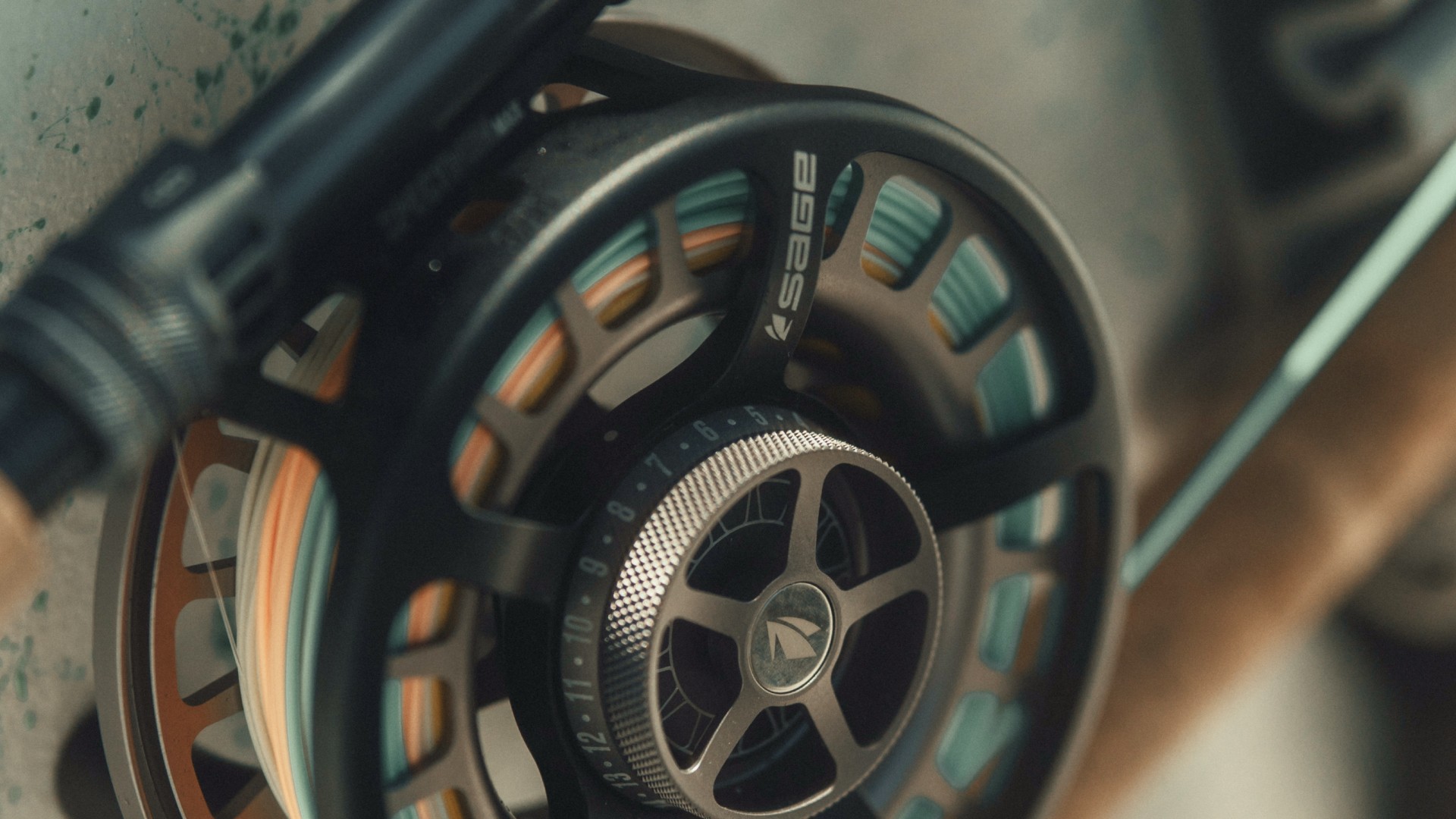
Bring a saltwater reel with a solid drag. A reel with 150 yards of backing is enough. 200 yards gives you more cushion.
Line
Use a weight-forward floating line designed for tropical saltwater. The line should load quickly and turn over in the wind. A tropical line won’t go limp in the heat like a temperate-water line will.
Leaders should be 9 feet, tapered to 10 or 12-pound tippet. Fluorocarbon is better than mono in clear water. Bonefish are leader-shy in skinny water.
Clothing
Long sleeves, long pants, a hat and a buff or neck gaiter.
Wading boots or flats boots with hard soles. The bottom can be sharp. Soft-soled shoes won’t cut it.
Polarized sunglasses are non-negotiable. Bronze or copper lenses work best for Belize flats.
Booking a guide in southern Belize
Southern Belize offers less crowded flats and bigger average bonefish than the northern cayes. Placencia and Hopkins are the main access points.
I guide out of Placencia. We fish the flats outside Dangriga and Placencia. Bonefish are here year-round, and we get consistent shots at fish in the three to five-pound range.
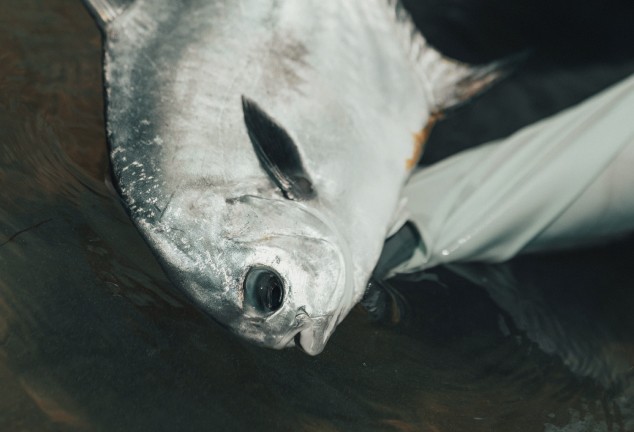
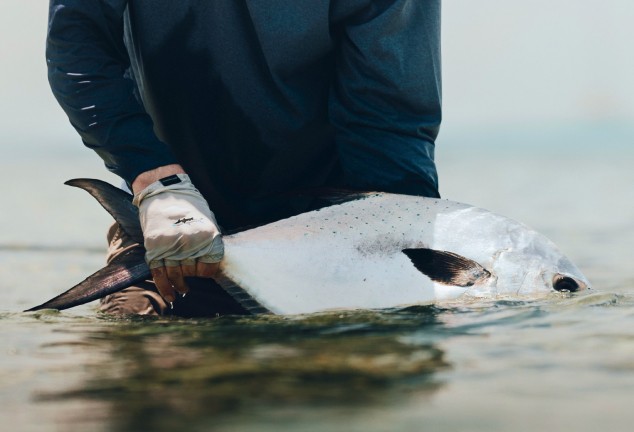
Charters are half-day or full-day. Maximum two anglers per boat. We target permit, tarpon, and bonefish depending on conditions, and if we’re lucky, we might get all three and lock in that grand slam.

I run half day, full day and multi-day fly fishing trips from Placencia, Hopkins or nearby islands. Target species are mainly permit, tarpon, and bonefish.
What happens next?
I'll respond within 24 hours
We'll discuss your dates, preferences, and any questions
Payment is due at the end of your trip

Multiple shots guaranteed — 400+ permit landed —

