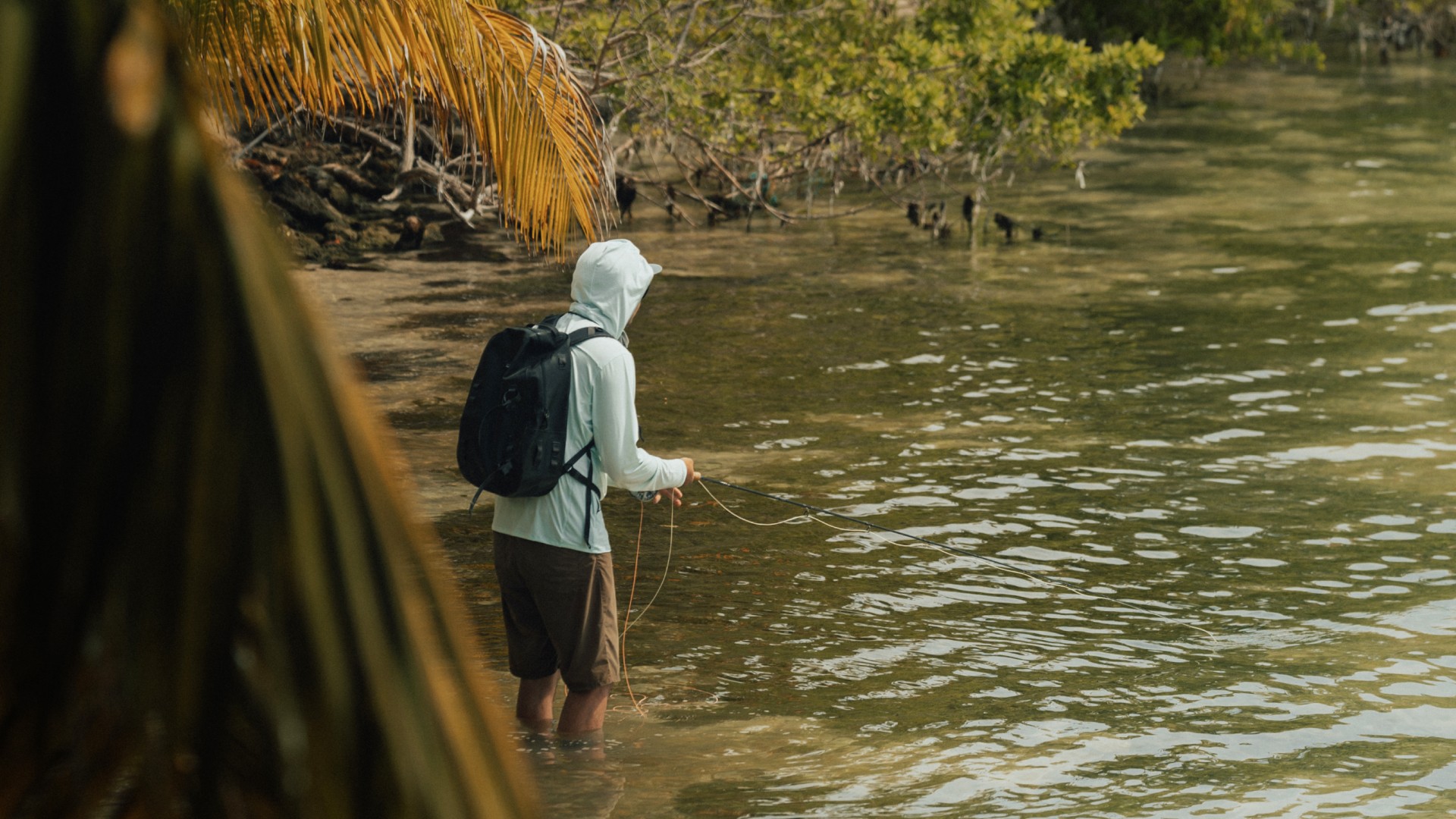
Locations
DIY fly fishing in Belize
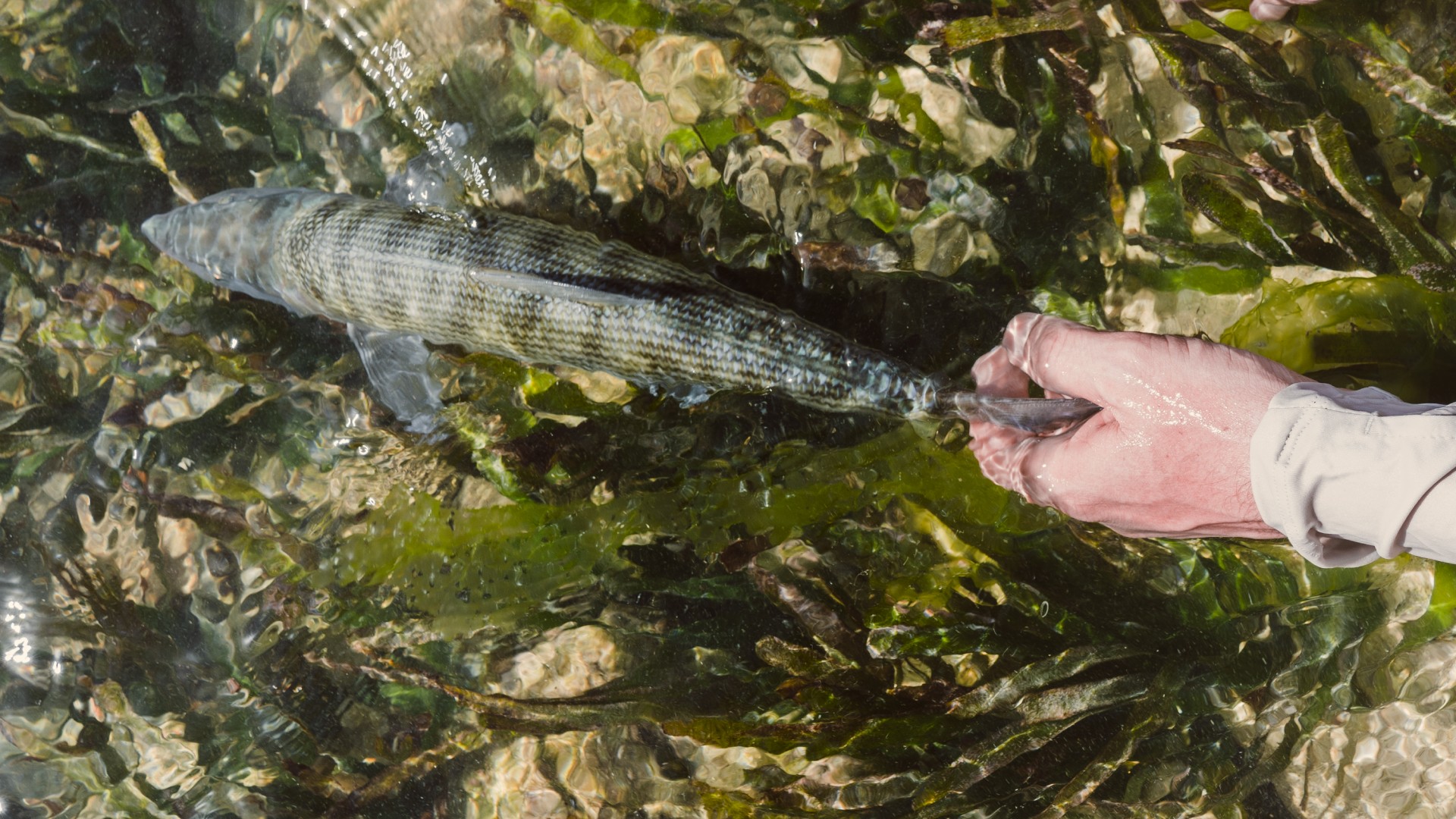
On South Water Caye, bonefish hold on the hard sand and turtle grass along the west and north sides of the island, inside the South Water Caye Marine Reserve.
The channel outside Reef's End Lodge on Tobacco Caye holds juvenile tarpon year-round, hookable 300 feet from shore where the reef drops to deeper water.
Glover's Reef Atoll sits 30 miles off Belize, reached by weekly boat charter from Dangriga or Sittee River in 1.5 to 2 hours. Bonefish cruise the turtle grass off Long Caye and Northeast Caye by the hundreds.
A Belize sport fishing license costs $25 USD for a week, bought online before you travel. Rangers check, especially in the marine reserves.
Don't wade into the rivers in Belize. Crocodiles hold in the mangroves and lagoons, and stingrays on the sandy flats mean flats boots and a shuffled step.
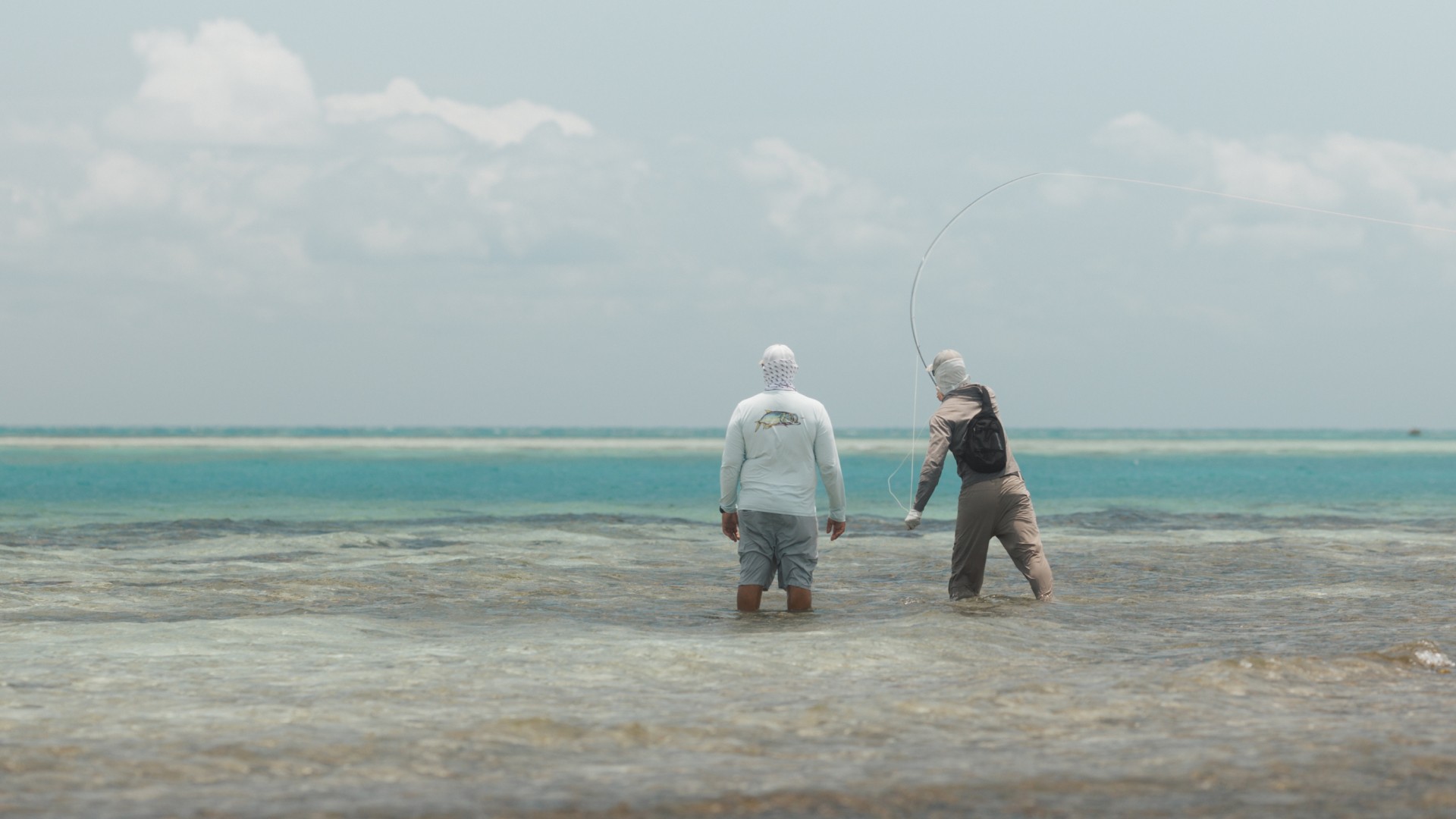
You can fish Belize without a guide. Wadeable flats, accessible cayes, lagoons with a kayak and shorelines where you can stalk fish on your own.
Most DIY guides focus on Ambergris Caye. That’s fine, but some of the best solo fishing in the country is further south. South Water Caye, Tobacco Caye, Glover’s Reef. Less written about, less pressured, and worth knowing about.
You won’t reach the best permit flats or the deep channel tarpon without a skiff. But bonefish, juvenile tarpon, snook, and the odd permit are all within reach if you put in the legwork.
Get your fishing license first
$25 USD for a week. Buy it at apps.coastalzonebelize.org before you travel. Rangers check, especially in the marine reserves.
Where to fish solo
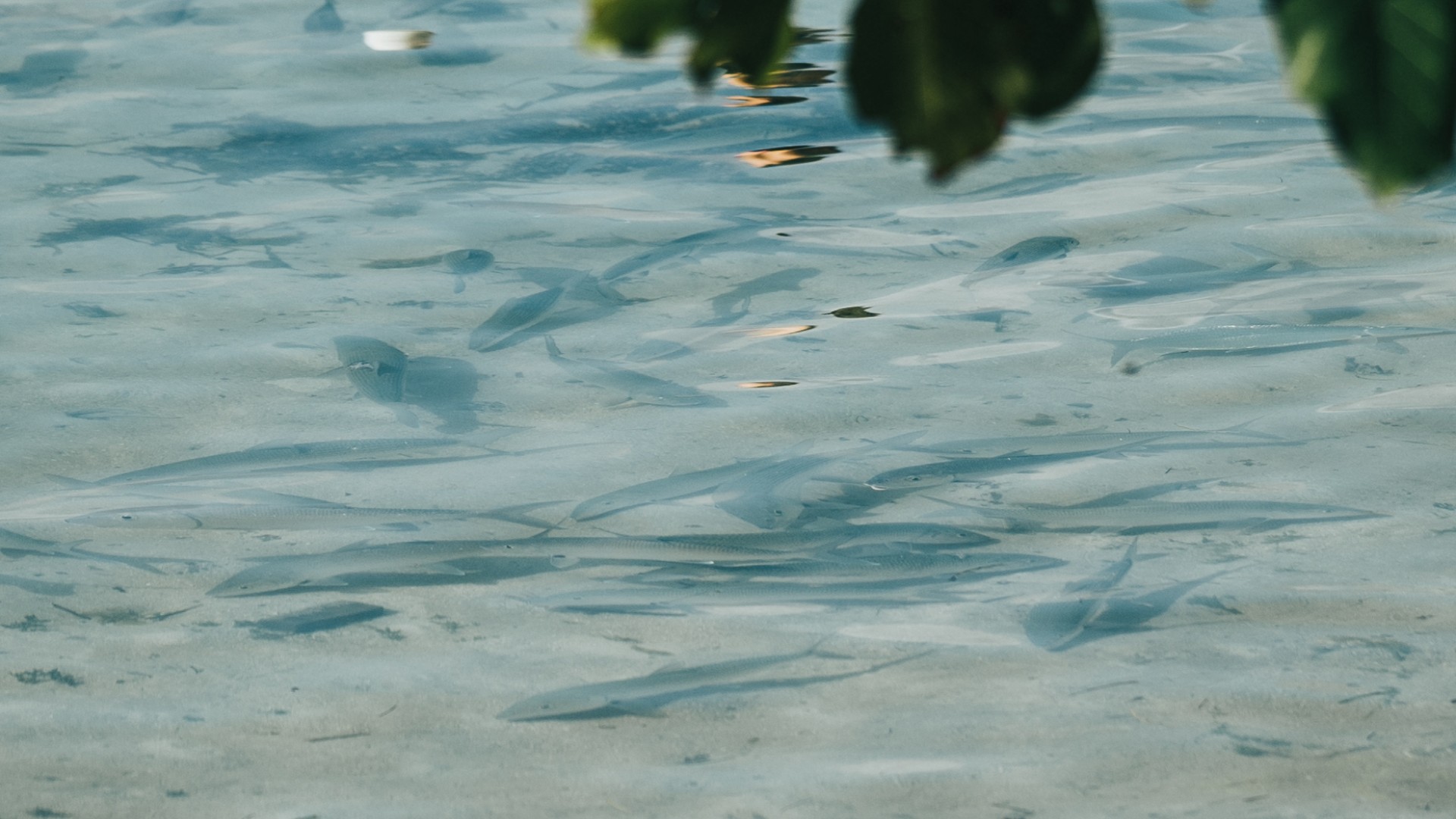
South Water Caye
Small island off Dangriga inside the South Water Caye Marine Reserve. One of the best DIY spots in the country.
Bonefish are all around the island, hard sand and turtle grass on the west and north sides between the docks. Sometimes, baby and juvenile permit cruise with the bonefish in slightly deeper water. You can also rent or borrow a kayak and paddle north along the reef for bigger fish. Tarpon work the west and northwest side of the docks at dawn and dusk. Look for rolling fish. After dark, bring a flashlight and scan the surface for their eyes.
The marine reserve fee is $5 US per person per day, capped at $15, on top of the fishing license.
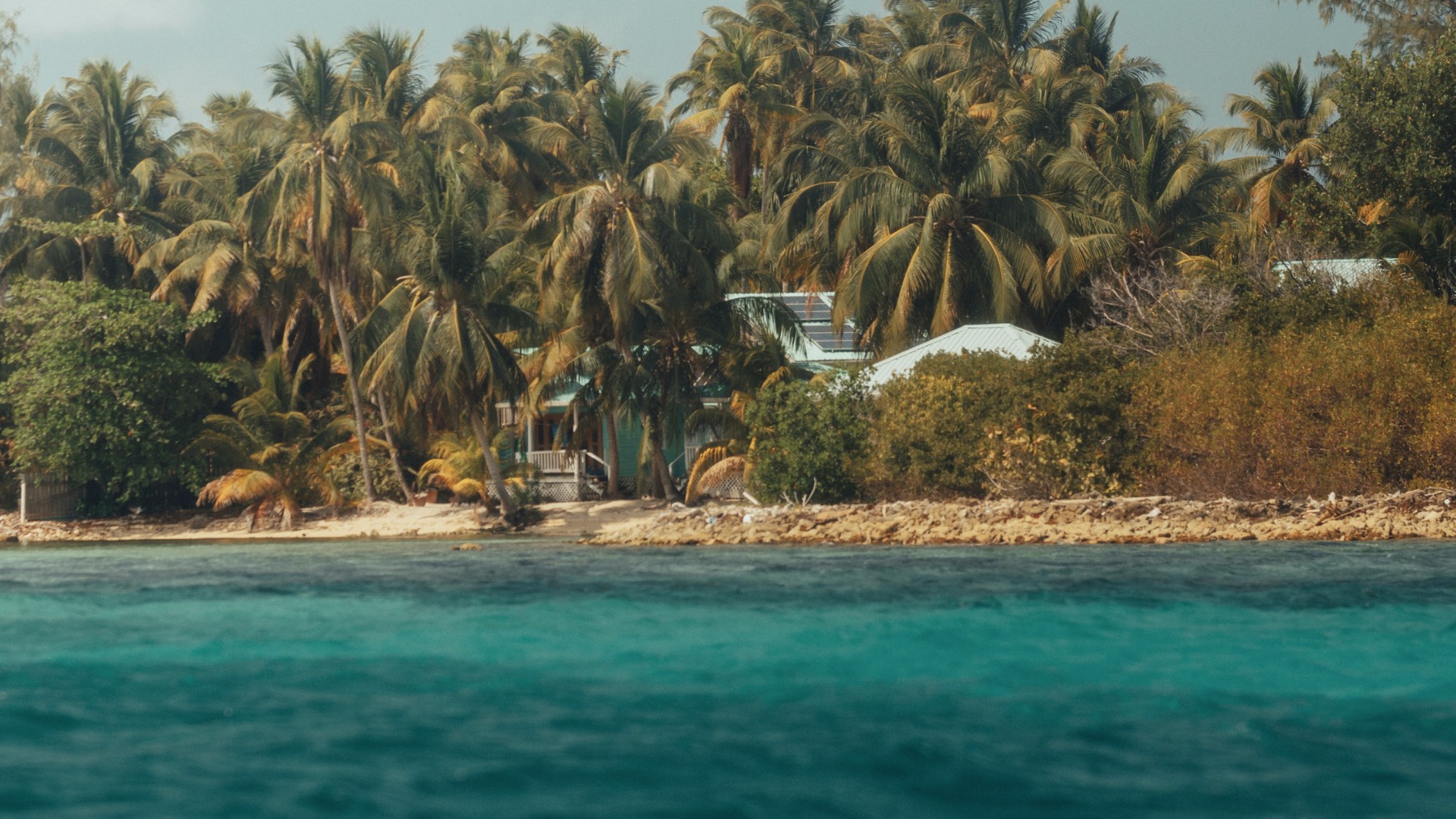
Tobacco Caye
Five-acre island about 10 minutes north of South Water Caye. No bonefish right off the island but solid for tarpon and permit.
Kayak north along the reef for permit. Big fish. They’ll run straight into coral when hooked though, which makes landing them genuinely hard. Keep the rod as high as you can and pray they run inwards or stay in topwater. The deep channel right outside Reef’s End Lodge holds juvenile tarpon year-round. From mid-April through August, often into September, the big migratory fish, 70 to 100-plus pounds, come through. You can hook them 300 feet from shore, just where the reef drops off to deeper water. Pro tip, there is also a big coral head straight west from Reef’s End Lodge restaurant where you can find plenty of jacks in the evening. Not the easiest to find. Look for a big sand patch inside the turtle grass, with a big dark circle inside.
Getting there: 30-minute boat from Dangriga. Simple eco-lodges and hostels on both South Water Caye and Tobacco Caye.
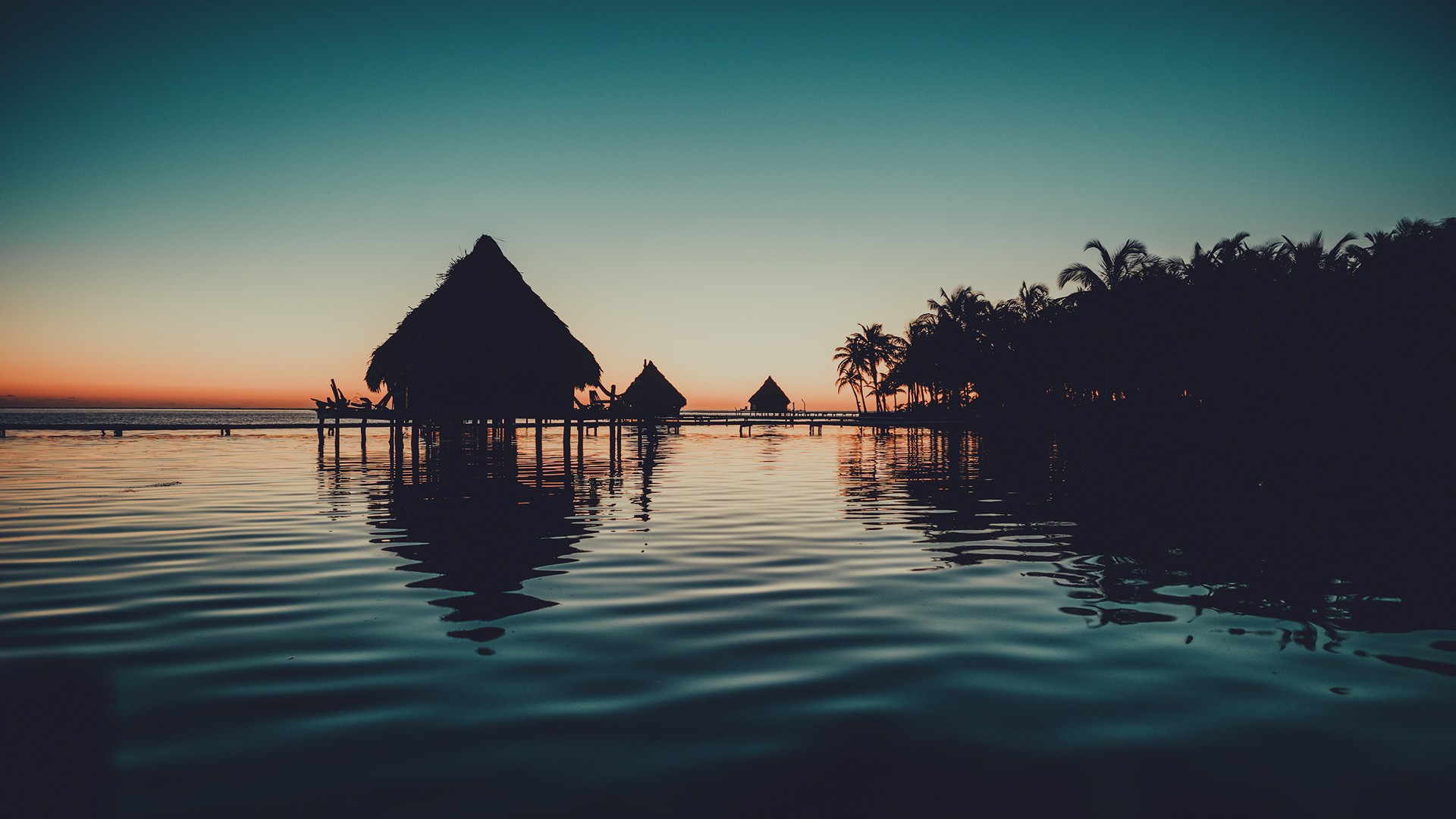
Glover’s Reef Atoll
30 miles offshore. Remote UNESCO World Heritage Site. Long Caye and Northeast Caye have eco-lodges where you can wade from shore and cast to bonefish. Hundreds cruise in small groups over turtle grass.
Paddle the barrier reef edge for big barracuda, triggerfish, and jacks. The big jacks come cruising through the channels in the evenings. Get a kayak and use popper flies or fast-stripping chartreuse baitfish. This area is the most effort to reach, but the fishing is worth it if you want that remote experience.
Getting there: weekly boat charter from Dangriga or Sittee River, 1.5 to 2 hours. Most people book week-long stays.
Ambergris Caye (San Pedro)
Most developed island in Belize, but still good DIY fishing if you know where to look.
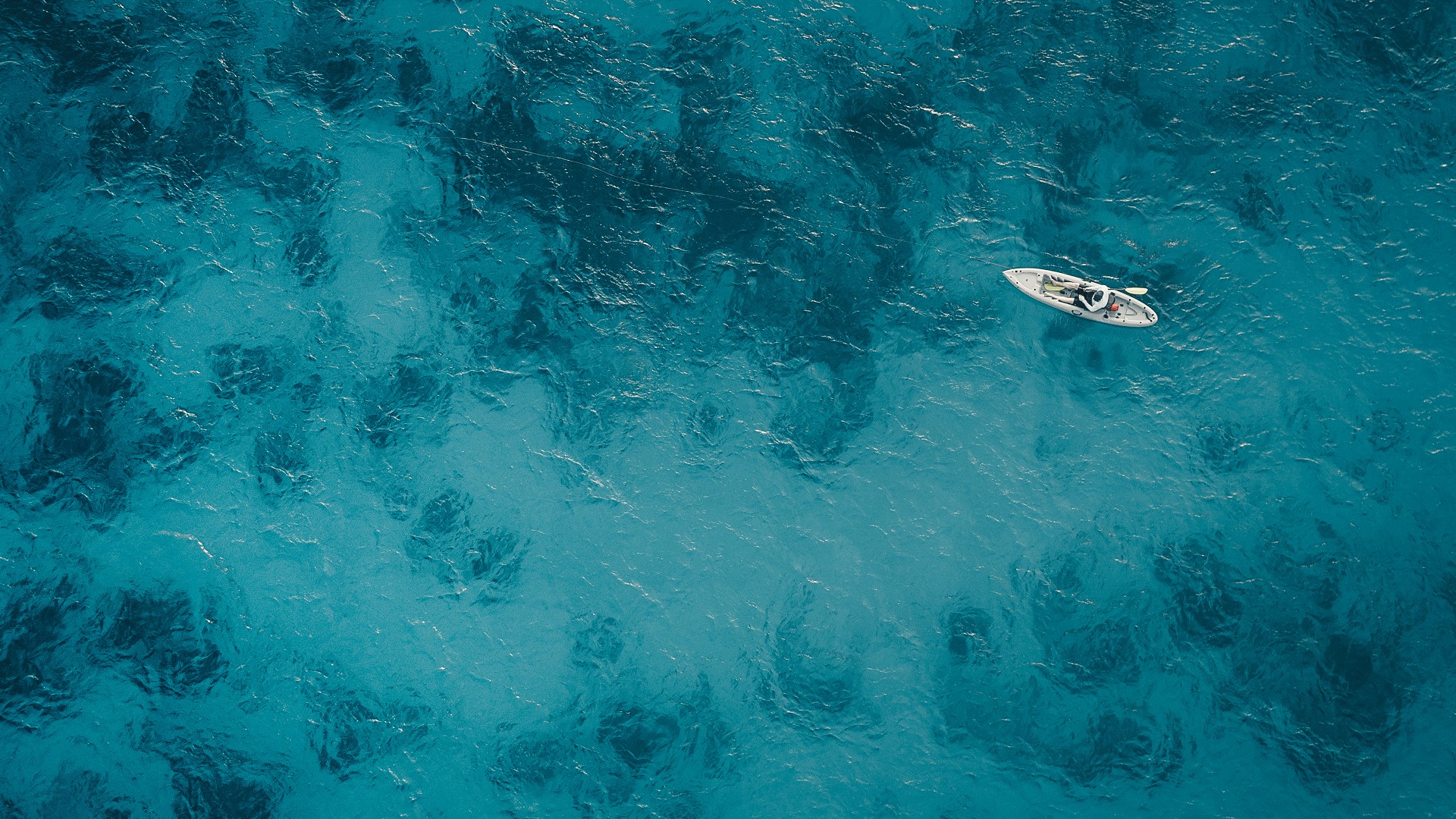
The west side flats north and south of Secret Beach have clear, ankle to knee-deep water with bonefish in the 2 to 3-pound range within 50 yards. The back lagoons around Santa Cruz and Frances Caye hold baby tarpon from 5 to 30 pounds and snook in the mangroves. You need a kayak to reach them properly. Paddle quietly at dawn or dusk.
Getting there: short flight or ferry from Belize City. Rent a golf cart to get to the flats.
Caye Caulker
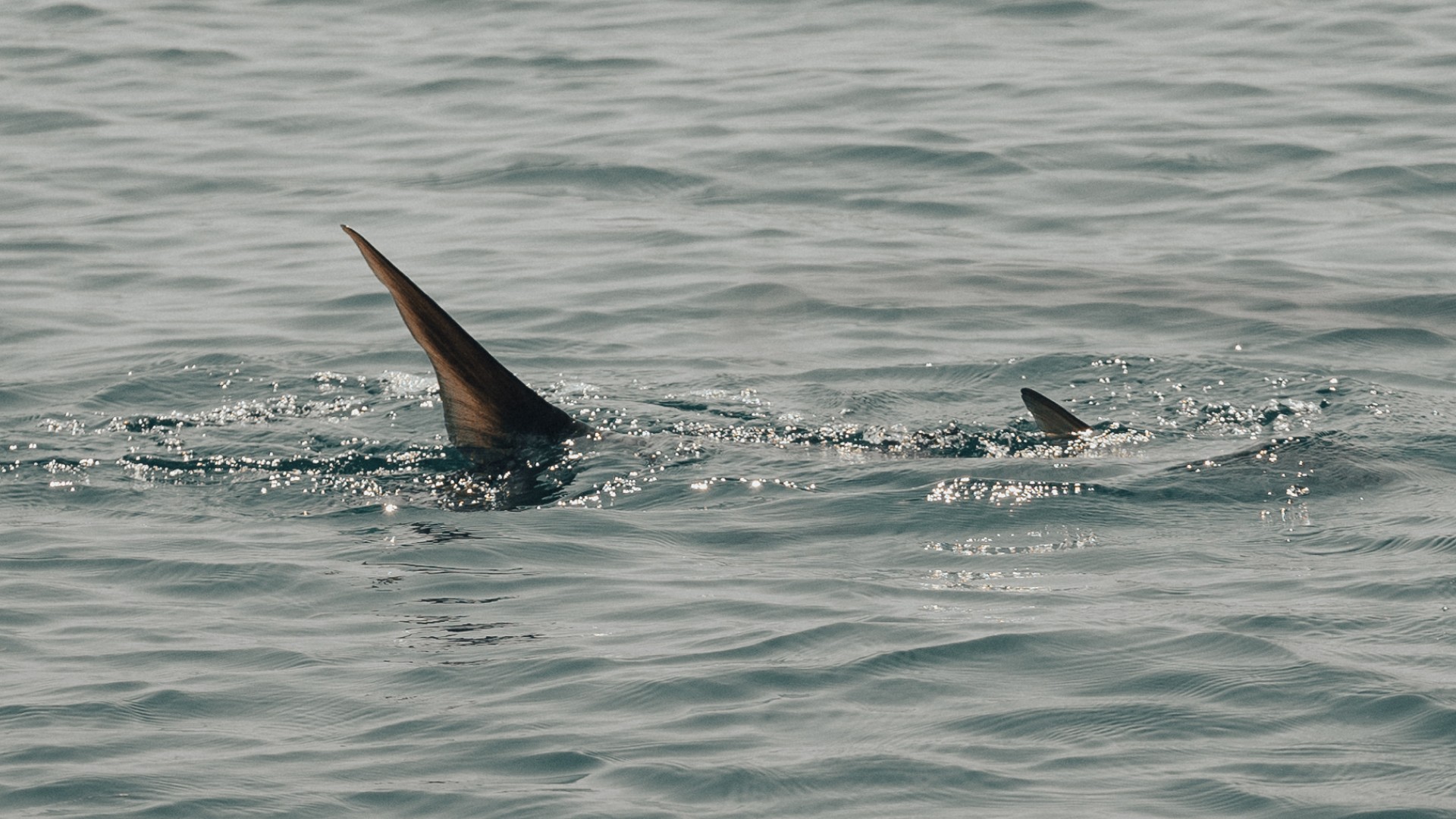
Smaller and more relaxed than Ambergris. Bonefish schools cruise the western side and the north end near the Split. Wading access is limited but it works.
One unusual spot: the dock at Sea Dreams hotel after dark. Bonefish gather under the lights at night and are far more willing to eat than they are during the day.
Tarpon and permit are occasional without a boat. Juvenile tarpon in the north mangroves. Worth a shot but not reliable as a DIY destination for those species.
Placencia Lagoon
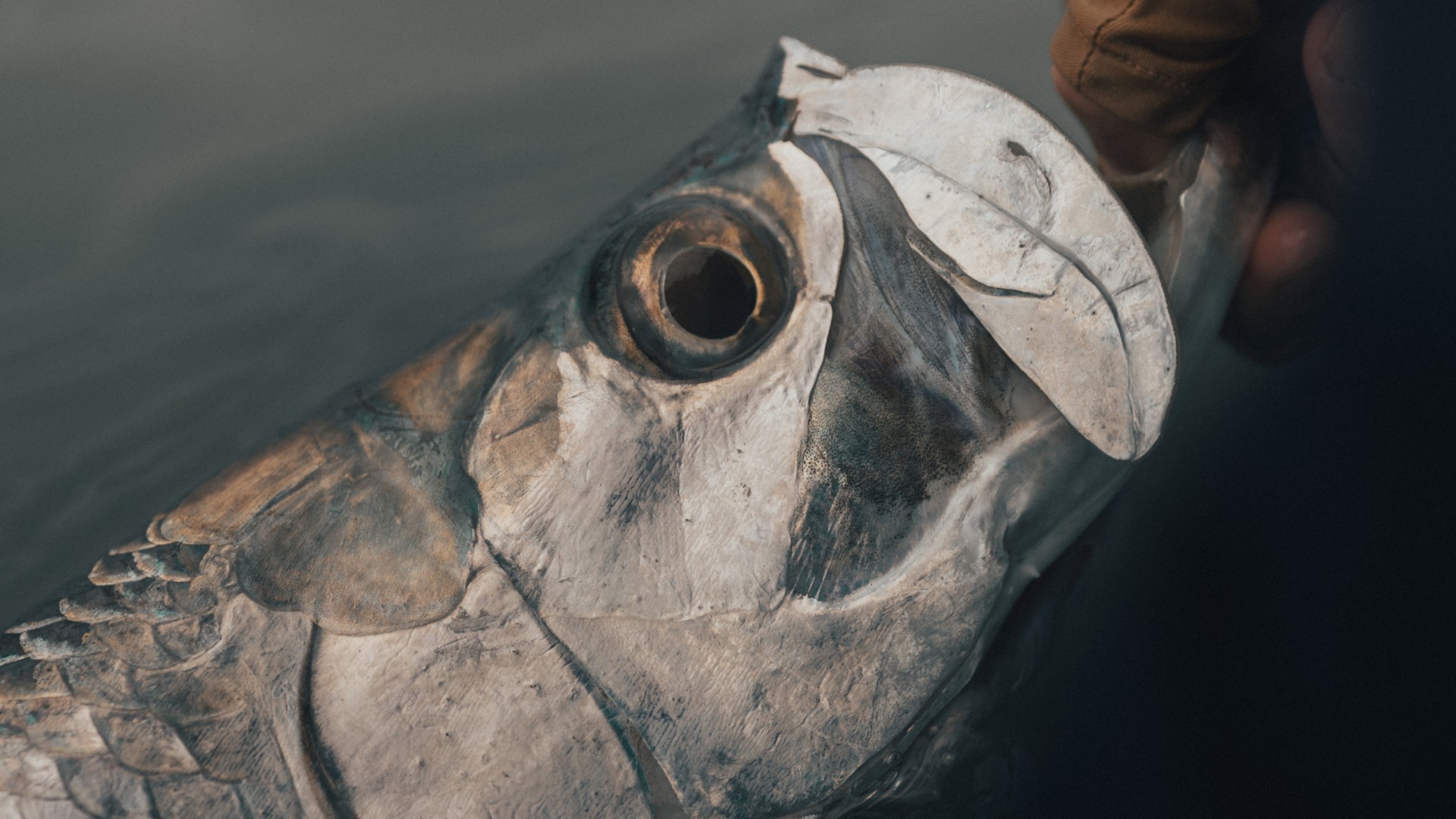
Brackish lagoon behind the Placencia Peninsula. Juvenile tarpon and snook cruise the municipal pier in the late afternoon. Grab a kayak and drift south toward Sunset Pointe. Rosanna Caye, 150 yards out, fishes well in the evening for snook, jacks, barracuda, and baby tarpon.
River mouths
The Sittee River at Hopkins and Monkey River down south both hold tarpon and snook at the mouth. Wade along the beaches and intercept fish moving with the tides. The Sittee River mouth has a shallow bay where tarpon feed at night.
Don’t wade into the rivers themselves. Crocodiles. Stick to firm ground, beaches, and docks.
What to bring
For bonefish, snook, and smaller tarpon an 8 or 9-weight does the job. For big tarpon or barracuda bring a 10 to 12-weight. Whatever you use, make sure the reel has a solid drag and at least 200 yards of backing. Tropical-rated floating line. Leader tapered down to 12 to 20-pound.
Flies: bring more than you think you need.
Bonefish: Gotchas, Crazy Charlies, small shrimp patterns. Permit: crab patterns, EP Spawning Shrimp. Tarpon: Toads, streamers, Deceivers. Poppers for evening channel fishing across the board.
Other gear you should bring: polarized sunglasses, proper flats boots with a hard sole, hat and buff, reef-safe sunscreen, waterproof pack, water, and your fishing license printed or on your phone.
Full gear list on the gear checklist page.
Stay safe and legal
Crocodiles are in mangroves and lagoons throughout Belize. Attacks are rare but they’re there. Don’t wade murky water at night and give them space when you see one.
Stingrays are common on sandy flats. Wear flats boots and shuffle your feet rather than stepping normally.
Weather moves fast here. Watch for squalls and get off the water if you hear thunder. Carry water. Heat and dehydration catch people off guard.
Kayaks: wear a life jacket, especially offshore. Conditions can change quickly between the cayes.
Coral: stay in the kayak when fishing reef flats. Don’t step on it.
Crime is not something to worry about on the islands and in tourist areas. Don’t leave gear unattended and let someone know your plan when fishing somewhere isolated.
One day with a guide
If you’re doing a mostly DIY trip, booking one guided day is worth it. Not as a sales pitch, just honest advice. A guide will put you on fish you can’t reach on foot, show you how the tides work on specific flats, and correct technique issues that are hard to spot yourself. One day like that makes the rest of your solo fishing more productive. If you’re leaning toward hiring a guide, here’s what freelance guiding costs versus booking a lodge.
If you’re headed to Placencia, and want to get on the water, get in touch. I can tell you exactly what to expect based on when you’re coming.
Frequently asked questions:
Can you really catch permit DIY in Belize?
Yes, but it’s tough. Permit on the reef edges around Tobacco Caye and South Water Caye are reachable by kayak, but they’ll run straight into coral when hooked and landing them solo is genuinely difficult. Bonefish are a much more realistic solo target.
What’s the best time of year for DIY fishing in Belize?
Late March through August gives you the most stable weather and the best light for spotting fish. March itself can be windy. That said, year-round is possible. Winter months can be productive but cold fronts move through and can shut the fishing down for a day or two.
Can I buy fishing tackle in Belize?
The fly shops in Belize are very limited. Ambergris Caye has a couple of options, but other than that it’s pretty slim. Bring everything you need and then some.
Do I need a fishing license to fly fish in Belize?
Yes. Belize requires a sport fishing license, and it’s $25 USD for a week, bought online before you travel. Rangers check, especially inside the marine reserves, so have it sorted before you go. If you fish with me, I send you the link ahead of your trip.

I run half day, full day and multi-day fly fishing trips from Placencia, Hopkins or nearby islands. Target species are mainly permit, tarpon, and bonefish.
What happens next?
I'll respond within 24 hours
We'll discuss your dates, preferences, and any questions
Payment is due at the end of your trip

Multiple shots guaranteed — 400+ permit landed —

