Locations
Fly fishing Belize: A complete north to south guide
For fly fishing in Belize, Placencia is the best all-around region for a grand slam, and nothing in the country beats Turneffe Atoll for pure bonefishing.
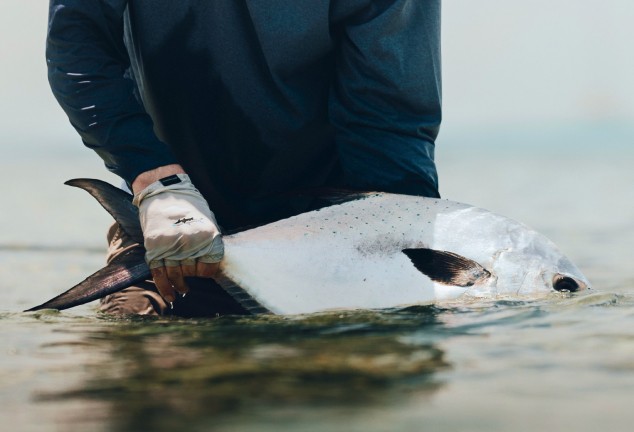
The water from Hopkins down to Placencia holds hundreds of pancake flats inside the South Water Caye Marine Reserve, with permit averaging 8 to 20 pounds and bigger fish to 30.
Turneffe Atoll, thirty miles off Belize, is the country's largest coral atoll. Bonefish average 2 to 4 pounds with a real shot at 8 to 10-pound trophies.
Permit around Punta Gorda in far southern Belize run 5 to 15 pounds, and fishing pressure is about as low as it gets. Only a handful of skiffs are out on any given day.
Resident tarpon on Ambergris Caye run 20 to 60 pounds, catchable any month of the year.
I’ve fished most of the Belizean coastline over the years. The north, the atolls, the far south. But Placencia and Hopkins is home. That’s where I know the water best and where I guide.
This is an honest breakdown of what each region offers. Species, conditions, trade-offs. If you’re trying to figure out where to go, this article should help you out.
Ambergris Caye
Belize’s largest island, sitting just below Mexico’s Yucatán Peninsula. The most developed fishing destination in the country.
Resident tarpon in the 20 to 60-pound range are the highlight. One of the few spots in the Caribbean where you can chase decent-sized tarpon any month of the year. Permit cruise the flats west of the island and in the back lagoon. Schools of 5 to 10-pound fish are common in the lagoon, bigger fish occasionally show on the ocean side near reef cuts. Bonefish are plentiful but small, mostly 1 to 3 pounds. Snook in the mangroves, barracuda in deeper water.
Most fishing requires a guide and skiff. A few spots near town are wadeable for DIY, the Bahia flats and airport flats, but some back flats have soft mud.
Good grand slam potential with the right guide. Infrastructure is well developed.
The flip side: heavy boat traffic, high fishing pressure especially on permit, and small average bonefish. If you want a quiet flat to yourself, this isn’t it.
Caye Caulker and the central cayes
Just south of Ambergris. Smaller island, less pressure, good access to mixed flats and mangrove cayes.
Tarpon is the highlight here too. Big migratory fish, 80 to 100-plus pounds, show up in the channels from mid-April through August, often into September. In the 30 to 50-pound range you’ll find fish around mangroves at dawn most mornings. Permit cruise in slightly deeper water than the southern flats, typically 3 to 6 feet. Bonefish are mid-sized, found in small schools around the Split and on the lee side.
The Drowned Cayes and St. George’s Caye stretch south from here and add more tarpon and bonefish spots.
Fewer boats than Ambergris means more room to fish. Water clarity is excellent unless heavy rain rolls in. Permit are harder to spot in deeper water so this isn’t where I’d send a first-timer chasing permit specifically, but for tarpon it’s a strong option.
Belize City coast and Turneffe Atoll
Two different experiences under the same heading.
Belize City and nearby cayes
The Old Belize River mouth is murky and muddy. Big tarpon, 40 to 100-plus pounds, gather here in spring and summer in good numbers. A few miles offshore the water clears and you’ll find bonefish on light-bottom flats and decent permit numbers.
One thing worth knowing: on some central flats, permit wait in deeper water for sargasso sheets to drift by. They’ll come up and take floating crabs right off the surface. If you’re fishing here with a guide, ask about floating crab patterns in reddish brown or dark yellow. Unusual fishing but it works.
Convenient if you’re flying in and out of the international airport. Not scenic. Water clarity is inconsistent and Belize City itself isn’t somewhere most anglers want to spend time.
Turneffe Atoll
Thirty miles offshore. The largest coral atoll in Belize and one of the best bonefishing destinations in the country.
Fish average 2 to 4 pounds with a real shot at 8 to 10-pound trophies. Large schools tail on sandy flats, especially on the west and south end. Permit come in two flavours: shallow reef flats around the outer edges, and interior lagoon schools cruising 3 to 6 feet of turtle grass. The lagoon schools are considered some of the most approachable permit in Belize, less picky than fish down south. Resident tarpon hold in mangrove creeks year-round, bigger migrants show seasonally.
No towns out here. You stay at a lodge or come by mothership. Day trips from the mainland are long and weather-dependent. Once you’re there the flats are firm, the water is clear, and you fish with minimal pressure.
The trade-off is cost and logistics. It’s not DIY and it’s not cheap. But for pure bonefishing, nowhere in Belize beats it.
Placencia and “Permit Alley”
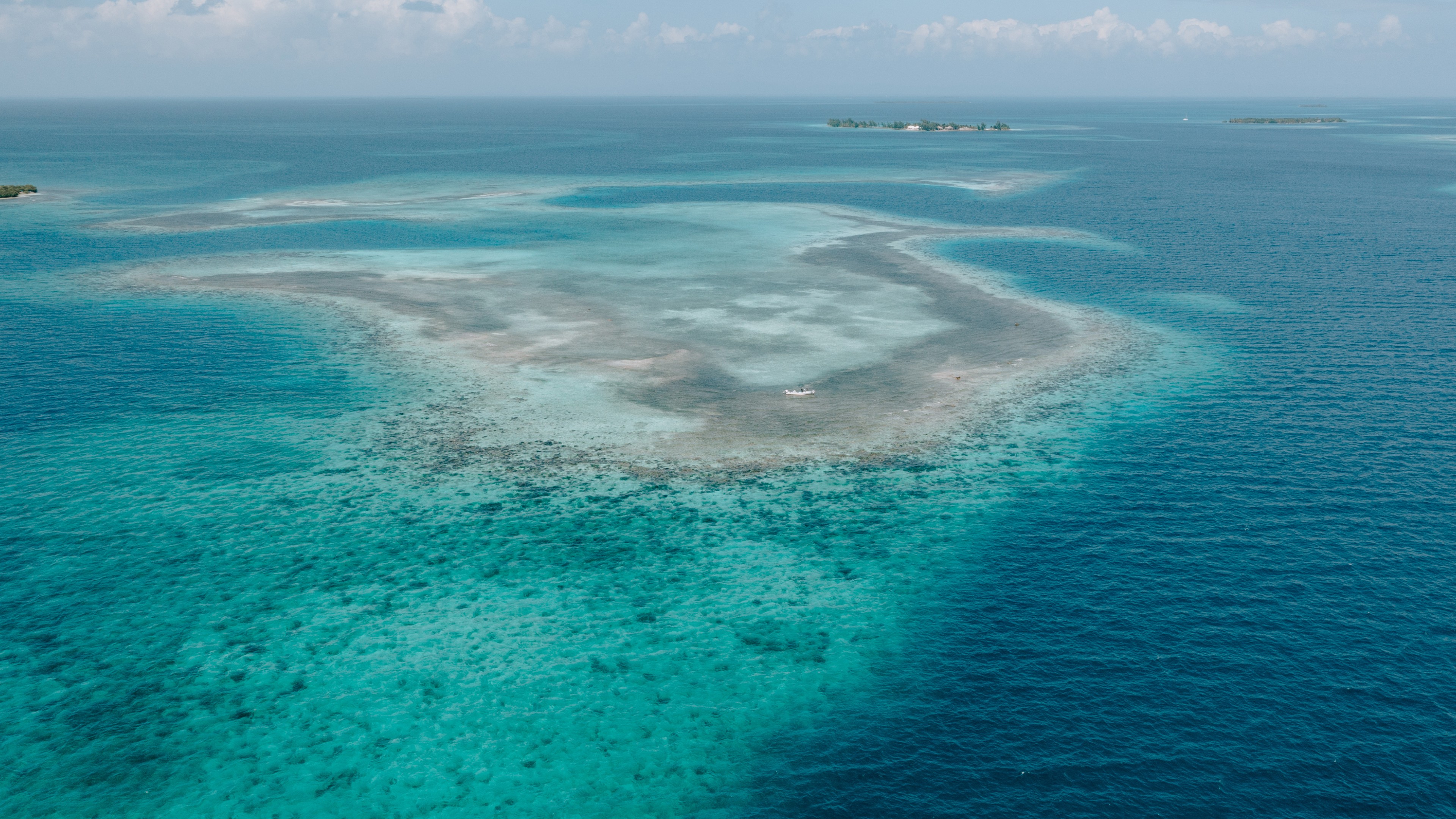
Home for me. From Hopkins down to Placencia, offshore lies what we call Permit Alley. A maze of cayes inside the South Water Caye Marine Reserve sitting just inside the barrier reef.
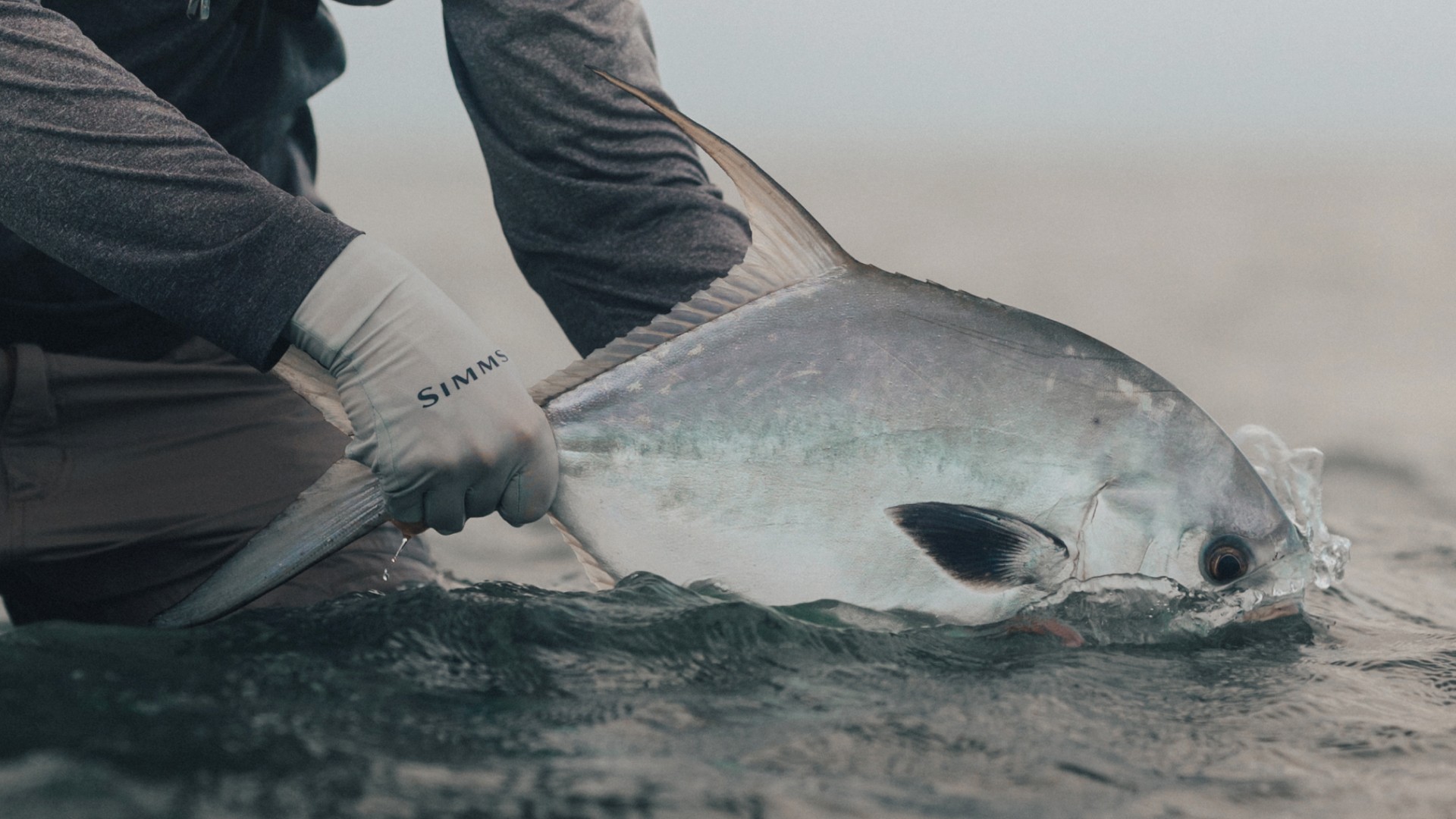
Classic permit water. Hard sand, crushed coral, turtle grass. Hundreds of pancake flats, small self-contained areas around mangrove cayes and coral platforms where you find tailing or cruising permit. Average fish run 8 to 20 pounds, with bigger ones to 30. Year-round, with good numbers on calm mornings.
Bonefish are present year-round in small schools on sandy patches behind cayes. Tarpon come in two forms: resident fish in the brackish mainland lagoons, and big migratory fish that run through the deeper channels from mid-April through August, often into September. More on tarpon fishing in Placencia
The best all-around location in the country for a grand slam. Fish tarpon in a mangrove lagoon at dawn, run 30 minutes to a coral flat for permit mid-morning, hit a sandy patch for bonefish in the afternoon. The variety is there and the area is big enough that you rarely feel crowded.
Shore fishing is limited. You need a skiff and guide to get to the really good water. Most anglers either book an all-inclusive lodge package or hire a freelance guide. Here’s what each option actually costs.
Glover’s Reef Atoll
Twenty miles east of Permit Alley. The southernmost atoll in Belize, a UNESCO World Heritage Site.
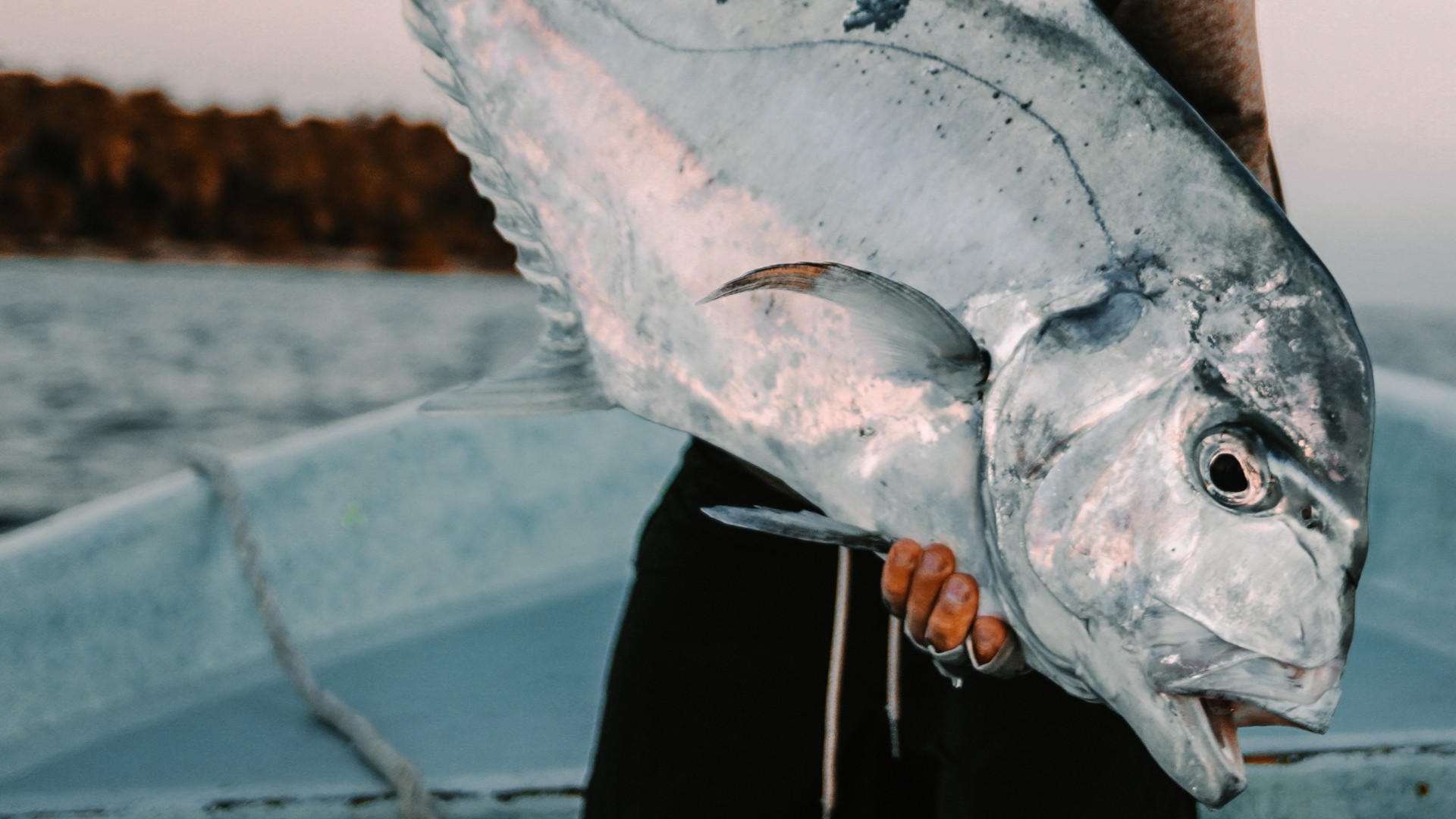
Different fishing to the rest of the country. Bonefish year-round with some larger fish alongside schools of 2 to 3-pounders. Permit are scarce and most local guides don’t target them. Where Glover’s stands out is barracuda and big jacks. Fish of 20 to 30 pounds in the channels at evening. Bring poppers! The outer reef drops right into blue water, putting you close to wahoo, tuna, and mackerel too, if that’s what you’re after.
Remote and logistically awkward. Usually means an overnight stay on the atoll or a long weather-dependent boat ride. Not much shelter if conditions deteriorate. Good for someone who wants variety and doesn’t mind the effort to get there.
Punta Gorda and the far south
All the way down by the Guatemalan border. Known mainly for its permit fishery.
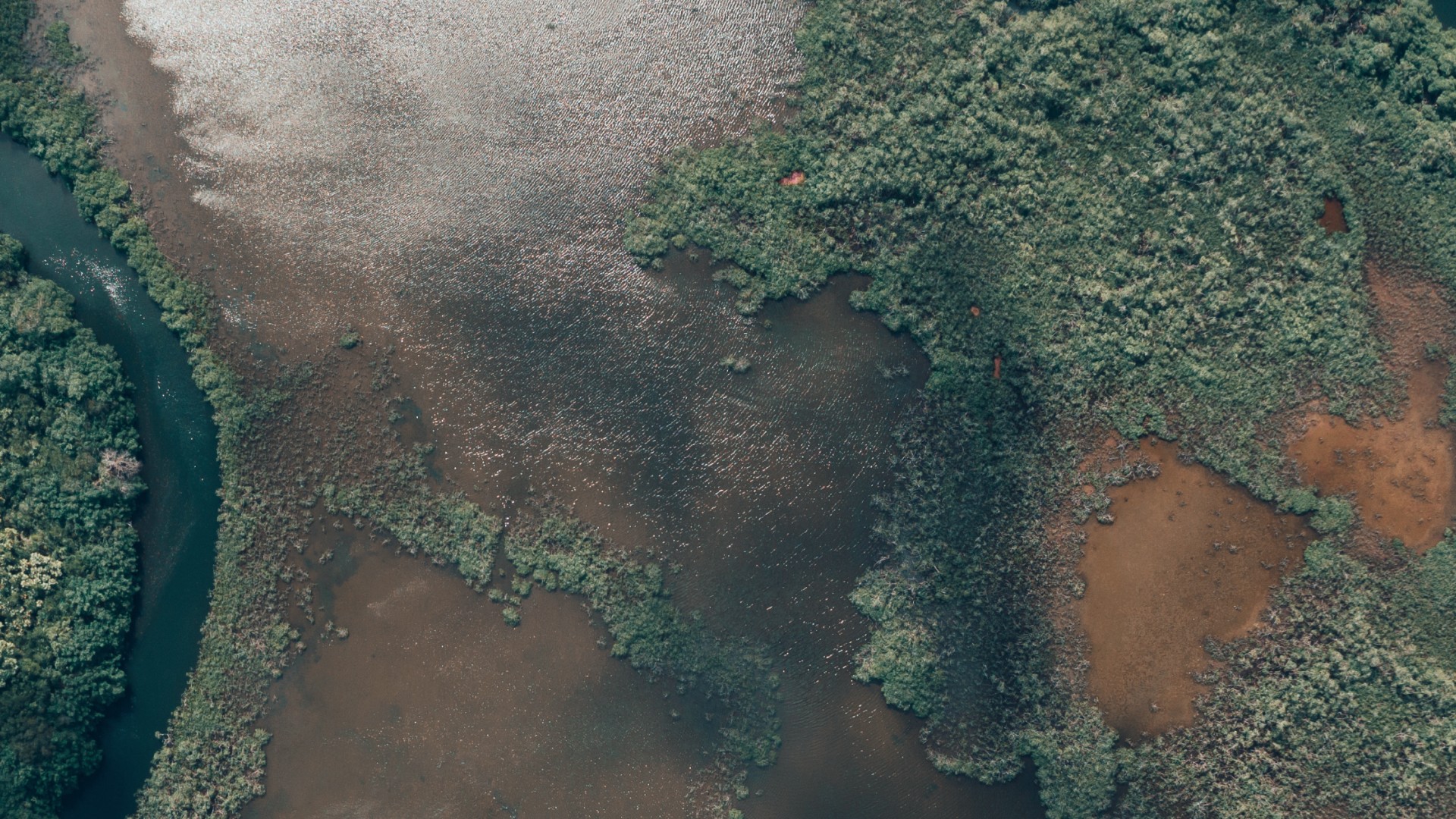
The coastline changes in the far south. The barrier reef is 20-plus miles offshore and between PG and the reef are small cayes: Snake Cayes, Water Cayes, Sapodilla Cayes. Narrow coral flats that drop into deep water. There’s also a backcountry delta with shallow pools connected by mangrove channels holding permit, bonefish, snook, and tarpon.
Permit run 5 to 15 pounds with larger fish around. Fishing pressure is about as low as it gets in Belize. Only a handful of skiffs out on any given day. River mouths like the Moho River and Rio Grande hold snook and tarpon in winter and after rains.
The draw is the quiet. Natural fish behaviour, no crowds, genuine remote fishing. The trade-off is limited variety and more travel time. Not the place for a grand slam trip. Right for an experienced angler who wants uncrowded permit water and doesn’t need the infrastructure.
Which region is right for you?
First permit trip or grand slam attempt: Placencia. The variety is there and the permit numbers are consistent.
Year-round tarpon: Ambergris Caye and Placencia. Resident fish any month.
Best bonefishing: Turneffe. Nothing else comes close for numbers and size.
Remote, uncrowded fishing: Punta Gorda or Turneffe depending on what you’re after.
Budget-conscious, laid-back trip: Caye Caulker. Less pressure, still good fishing.

I run half day, full day and multi-day fly fishing trips from Placencia, Hopkins or nearby islands. Target species are mainly permit, tarpon, and bonefish.
What happens next?
I'll respond within 24 hours
We'll discuss your dates, preferences, and any questions
Payment is due at the end of your trip

Multiple shots guaranteed — 400+ permit landed —

